
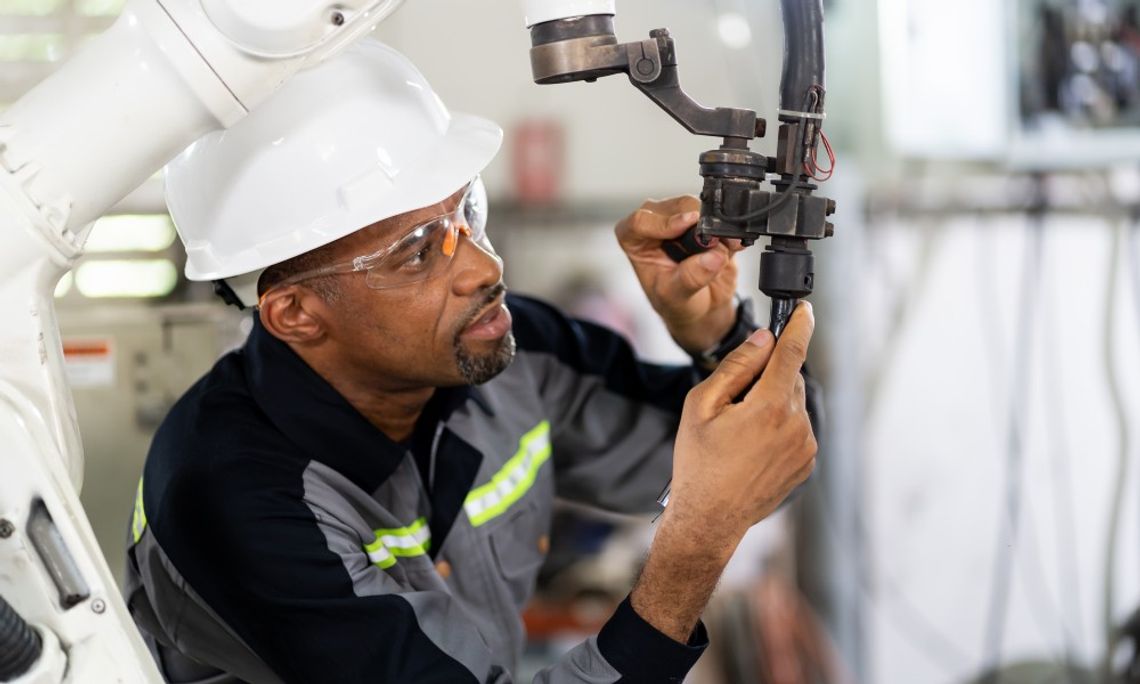
Your machinery is a significant investment, and its performance is tied to your business's success. Equipment that runs well keeps your operations on track, but unexpected breakdowns can stop everything. Fortunately, many of these issues are preventable. By implementing a strategic plan for machinery care and adopting best practices, you can protect your investment, maximize productivity, and extend the lifespan of your equipment. Let’s explore some straightforward steps.
Regular Inspections Are Your First Defense
Think of machine inspections as a daily wellness routine for your equipment. A brief look at essentials like fluid levels, belts, and hoses can prevent costly breakdowns. Implement a straightforward checklist for operators to complete at the beginning of every shift. This routine fosters a proactive mindset and keeps your crew deeply familiar with the operational state of their machinery.
Stick to a Maintenance Schedule
Preventative maintenance is your secret weapon. Don't wait for something to break; follow the manufacturer's recommended service schedule. This includes regular oil changes, filter replacements, and lubrication of moving parts. A well-documented schedule holds everyone accountable and gives you a clear history of each machine’s service record.
Train Your Team Properly
Your operators are on the front lines. A team that knows how to operate the machinery correctly is less likely to cause accidental damage. Training needs to explain how to do something and why it's done that way. When your crew understands how their actions affect the machine's health, they become better stewards of your assets.
Handle Transportation With Caution
Moving heavy machinery from one site to another introduces unique risks. The vibrations and bumps from the journey can damage sensitive components and throw off calibration. For long-distance moves, certain precautions are necessary to shield your equipment from transit-related vibrations. Details like proper packaging, secure anchoring, and even route planning can help your machinery arrive in the same condition it left.
Clean Every Machine
Keep your machinery clean. Dirt, grease, and debris can cause them to overheat and can hide problems like leaks or cracks. Wiping equipment down is a simple task, but it makes inspections easier and prevents buildup that can damage sensitive components.
For example:
- Industrial manufacturing: Regular degreasing prevents parts from wearing down and keeps machines running efficiently.
- Food processing: Proper sanitation protects against contamination and keeps products safe.
- Automotive shops: Wiping down tools after each use reduces grime and helps them last longer.
These best practices for machinery care form a comprehensive strategy that protects your investment. It's a commitment to excellence that reflects your entire business. With these steps, you can keep your equipment running reliably for years to come.
Comment
Comments