
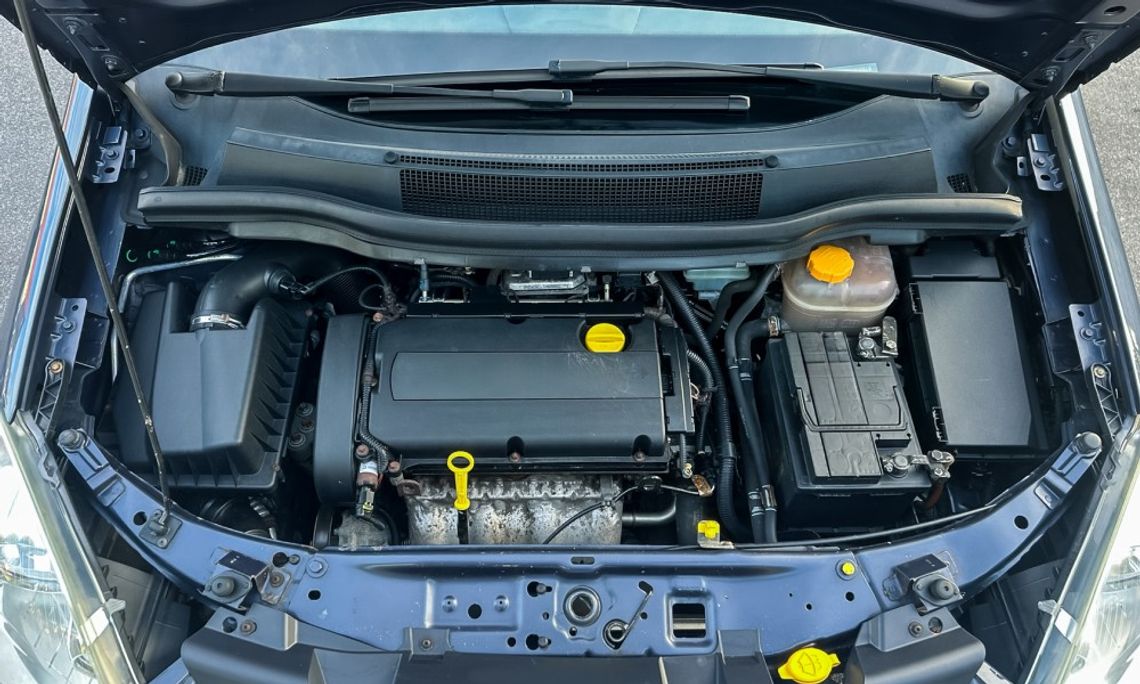
Vehicles are complex machines. Numerous components work together to make vehicles functional and efficient, including sensors.
For many drivers, the inner workings of their trucks remain a bit of a mystery until a light appears on the dashboard. Sensors are small but mighty. From monitoring emissions to optimizing fuel consumption, these components are fundamental to modern, greener driving. Learning about the essential trucks sensors and what they do helps owners appreciate the technology that improves both performance and sustainability.
O2 (Oxygen) Sensor
The oxygen sensor measures the amount of unburned oxygen in the exhaust system. It sends this information to the engine’s computer, which then adjusts the air-to-fuel ratio for combustion. An accurate ratio helps the engine run efficiently, reducing harmful emissions and improving fuel economy. When an O2 sensor fails, you might notice lower gas mileage and a failed emissions test.
Mass Airflow (MAF) Sensor
The mass airflow sensor determines the mass of air entering the engine. This data is vital for the engine control unit (ECU) to deliver the correct amount of fuel for optimal combustion. A functioning MAF sensor helps maintain fuel efficiency and reduces the truck’s overall carbon footprint. A dirty or faulty MAF sensor leads to rough idling, poor acceleration, and decreased fuel economy.
Manifold Absolute Pressure Sensor
The manifold absolute pressure (MAP) sensor monitors the pressure inside the intake manifold. It allows the ECU to fine-tune fuel injection and ignition timing based on engine load. By adapting to different driving conditions, the MAP sensor helps the engine operate at peak efficiency, which contributes to lower emissions.
Coolant Temperature Sensor
Engine coolant regulates the temperature of the engine by absorbing excess heat and transferring it to the radiator to dissipate the heat. It also prevents the engine from freezing in cold conditions and reduces the risk of overheating during operation.
The coolant temperature sensor measures the temperature of the engine coolant. It relays this data to the ECU, which uses it to adjust fuel injection, ignition timing, and cooling fan operation.
Maintaining the correct engine temperature prevents overheating and reduces wear, extending the engine’s life. Furthermore, it contributes to fuel efficiency, as a properly warmed engine burns fuel more cleanly.
Throttle Position Sensor
The throttle position sensor tracks the angle of the throttle valve, which opens and closes as you press the accelerator. It tells the engine’s computer how much power the driver is requesting. This information is key to managing automatic transmission shifts and fuel delivery. An efficient throttle response system reduces unnecessary fuel consumption, supporting more sustainable driving habits.
Camshaft Position Sensor
The camshaft position sensor determines the exact position of the camshaft as it rotates. This allows the ECU to control spark timing and the sequence of fuel injection for each cylinder. Precise timing is essential for engine performance and fuel efficiency. Learning about this sensor is as important as understanding how power steering pumps work for a complete picture of your vehicle’s mechanics.
A Smarter, Greener Ride
Learning about the essential sensors in your truck and what they do will help you take better care of your vehicle and benefit the environment. By monitoring various aspects of the engine, functioning sensors help reduce emissions and improve fuel economy.
Comment
Comments