
In the world of aviation, precision and reliability are everything. Even small components can play a huge role in ensuring a safe flight, and solenoid valves are a great example. These electromechanical parts act as gatekeepers, controlling the flow of liquids and gases with incredible accuracy. Understanding the role of solenoid valves in the aerospace industry is key to appreciating the complex systems that keep aircraft running smoothly.
Fuel Control Systems
Precise fuel management is fundamental to an aircraft's operation. Solenoid valves are integral to fuel control systems, where they manage the flow of fuel from the tanks to the engines. By opening and closing with exact timing, these valves ensure the engines receive the correct amount of fuel needed for different phases of flight, such as takeoff, cruising, and landing. This regulation is critical for engine performance, fuel efficiency, and overall safety. They help prevent engine stalls or over-speeding by delivering a consistent and reliable fuel supply under varying conditions.
Hydraulic Systems
Aircraft rely heavily on hydraulic systems to actuate key components that require immense force. A common application for high-pressure solenoid valves is to direct hydraulic fluid to operate landing gear, brakes, flaps, and flight control surfaces like ailerons and rudders. When a pilot or the flight computer sends a command, solenoid valves open or close specific pathways, channeling high-pressure fluid to the intended actuator. The rapid response and robust design of these valves are essential for the precise and dependable movement of these critical flight mechanisms.
Environmental Control Systems (ECS)
Maintaining a comfortable and safe cabin environment is the responsibility of the environmental control system (ECS). Solenoid valves play a crucial part in this system by managing the flow of bleed air from the engines. The system cools and regulates this hot, compressed air to control the cabin's temperature and pressure. Solenoid valves mix hot and cold air to achieve the desired temperature and regulate airflow, ensuring consistent cabin pressure for passenger and crew comfort at high altitudes.
Emergency Oxygen Systems
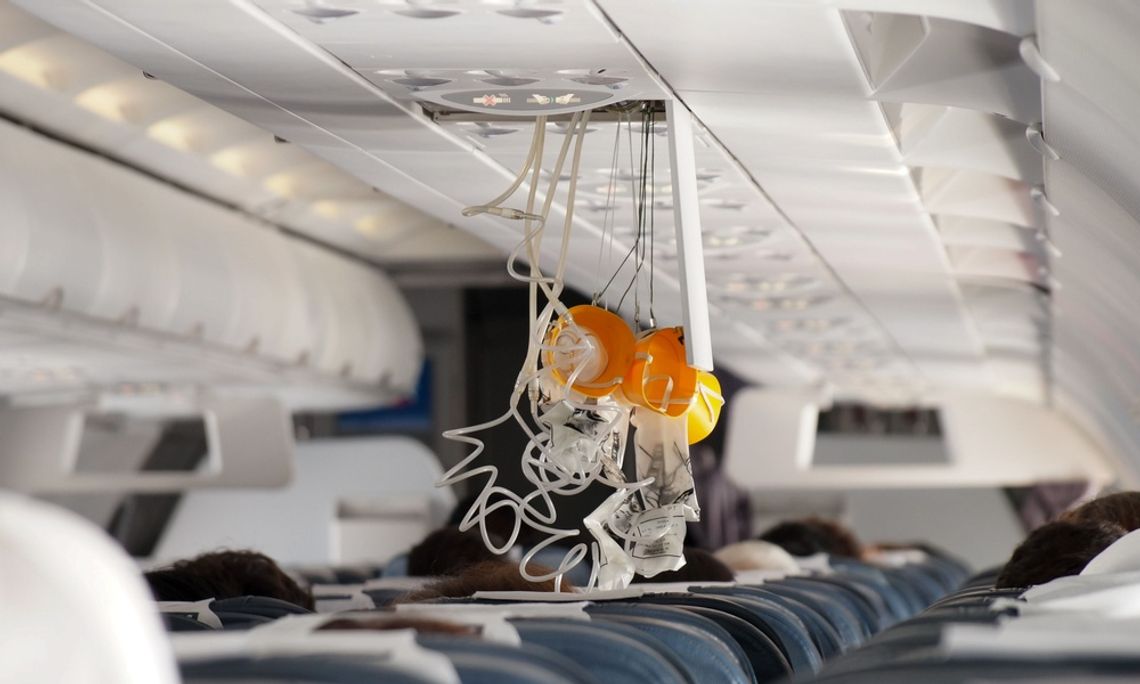
In the rare event of cabin depressurization, emergency oxygen systems are a lifeline. Solenoid valves are at the heart of these systems, controlling the release of oxygen to the masks that drop down for passengers and crew. When sensors detect a significant drop in cabin pressure, they trigger the solenoid valves to open, allowing oxygen to flow immediately. These valves must be reliable, as their swift and flawless operation ensures occupant safety during an in-flight emergency. They provide a breathable atmosphere until the aircraft can descend to a safe altitude.
From engine performance to life support, these applications demonstrate the indispensable role of solenoid valves in the aerospace industry. Their ability to provide precise, reliable, and rapid control over fluid and gas flow makes them a cornerstone of modern aircraft design.
Comment
Comments