
New to beekeeping? The early days of any hobby come with their fair share of challenges and learning curves, and you may worry if you're doing a good job or not. You understand that it's natural to make mistakes when you try new things, but you don't want to accidentally and unknowingly create problems for your bees!
One thing that can help new beekeepers is understanding the common mistakes they might make. This way, they can avoid them from the start and set their hives up for success.
Not Wearing Protective Gear
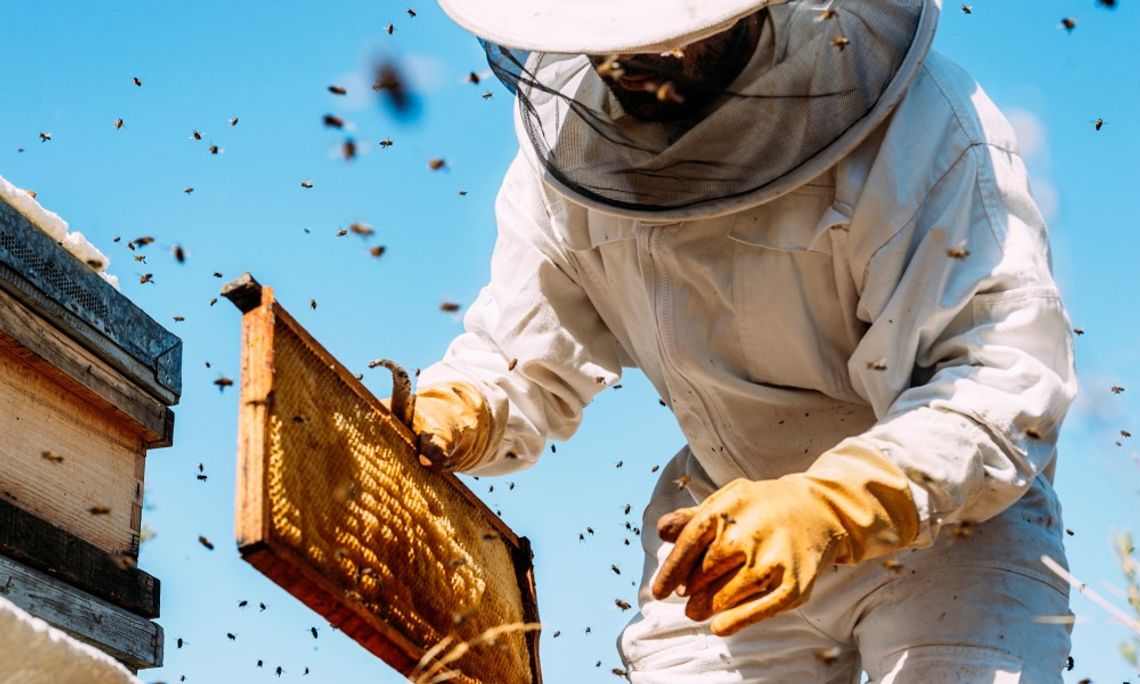
You might have seen experienced beekeepers handle their hives with no gloves, no suit, no veil, but that doesn't mean you should follow their lead right away. These experts understand their bees' temperaments and can read subtle signs of agitation. As a beginner, you don't have this skill yet, so you should always gear up before you head out to the apiary.
You have the choice between bee jackets and full suits; the main difference between them is that suits offer full-body coverage, while jackets only protect your upper half—you'll have to pair them with your own pants and boots for complete protection.
Taking Too Much Honey
Honey is the prize at the end of the season, and it's tempting to grab every last drop. But bees need honey to survive the winter. If you strip the hive bare, the colony will starve before spring arrives.
A strong colony needs about 60 to 90 pounds of honey to make it through a cold winter. Always leave enough stores for the bees first. You can take the surplus, but never prioritize your sweet tooth over the colony's survival.
Ignoring Mite Treatments
Varroa mites are a massive threat to honeybees. Many new beekeepers hope their bees will be naturally resistant and they can skip treatments. This optimism usually leads to a dead hive.
Mites weaken bees and spread viruses. You need a plan to monitor mite levels and treat when necessary. Ignoring this responsibility is one of the quickest ways to lose a colony. Regular checks will tell you when the mite population spikes so you can intervene before it's too late to save your hive.
Opening the Hive Too Often
Curiosity is normal. You want to see what the bees do inside the box. But every time you crack open the lid, you disrupt the hive's internal temperature and stress the colony.
Bees work hard to maintain a specific climate for the brood. Frequent inspections force them to waste energy fixing the temperature again. Try to limit full inspections to once every week or two unless you have a specific reason to check.
Placing the Hive in a Bad Spot
If you place a hive in a low-lying, damp area, the bees will struggle with moisture and cold. If you put it in deep shade, they might not start working early enough in the day.
Bees need a sunny spot that's dry and protected from strong winds. Take time to scout your yard for the right location before your bees arrive.
Becoming a Better Keeper
This guide to beekeeping mistakes to avoid can help you keep some common mishaps from occurring. But don't beat yourself up if you do end up stumbling a bit! Mistakes are an opportunity to learn and grow; and learning and growing is what'll help you become a master apiarist.
Comment
Comments