
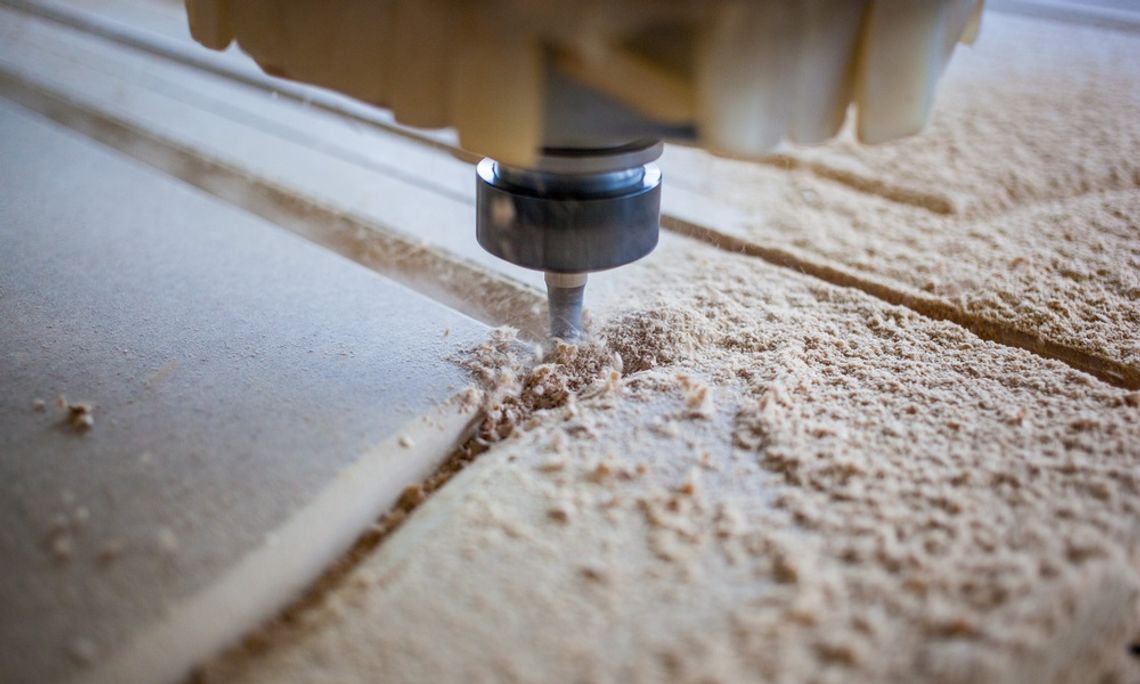
Every machine shop or metrology lab knows that tool selection requires more thought than choosing something off a shelf. Tool materials impact daily work by shaping everything from cutting speeds to measurement results. When you stop to ask why materials science matters in CNC and CMM tool selection, you start to see how the right choice directly impacts both accuracy and efficiency. By paying close attention to what goes into your tools, you put yourself in a better position to tackle any job with confidence.
Hardness and Wear Resistance
The most obvious factor is hardness. A tool needs to be harder than the material it is cutting or measuring. For CNC machining, a tool made of high-speed steel (HSS) might be sufficient for softer materials such as aluminum.
However, when working with hardened steels or superalloys, you need something much tougher, like carbide. This principle prevents the tool from deforming or wearing out too quickly, which maintains precision over long production runs.
Thermal Stability
CNC machining generates significant heat. This heat can cause tools to soften, warp, or even chemically react with the workpiece material.
Tool materials must have high thermal stability to withstand these extreme temperatures without losing their cutting edge or structural integrity. Coatings like titanium nitride (TiN) or titanium aluminum Nitride (TiAlN) are often applied to tools to increase their heat resistance and reduce friction.
Toughness and Brittleness
Hardness isn't everything. A very hard material can also be very brittle, meaning it might chip or shatter under impact or vibration. Toughness is a material's ability to absorb energy and deform without fracturing.
There is typically a trade-off between hardness and toughness. For example, while carbide is extremely hard, it's more brittle than HSS. The right choice depends on the specific application, such as whether the cut will be continuous or interrupted.
Material Science in CMM Probes
Material selection is just as critical for CMM styli, which contact the parts being measured. The stylus material must resist wear to maintain its shape and provide accurate readings.
For many applications, ruby is a standard choice due to its hardness and smooth surface. However, when measuring abrasive materials or scanning aluminum parts, understanding the differences between diamond-coated and solid diamond styli can help prevent material pickup and premature wear.
From the workshop floor to the manager’s desk, decisions about tool materials reflect experience and evolving technology. The conversation about why materials science matters in CNC and CMM tool selection opens doors to better practices and new possibilities with every job.
Comment
Comments