
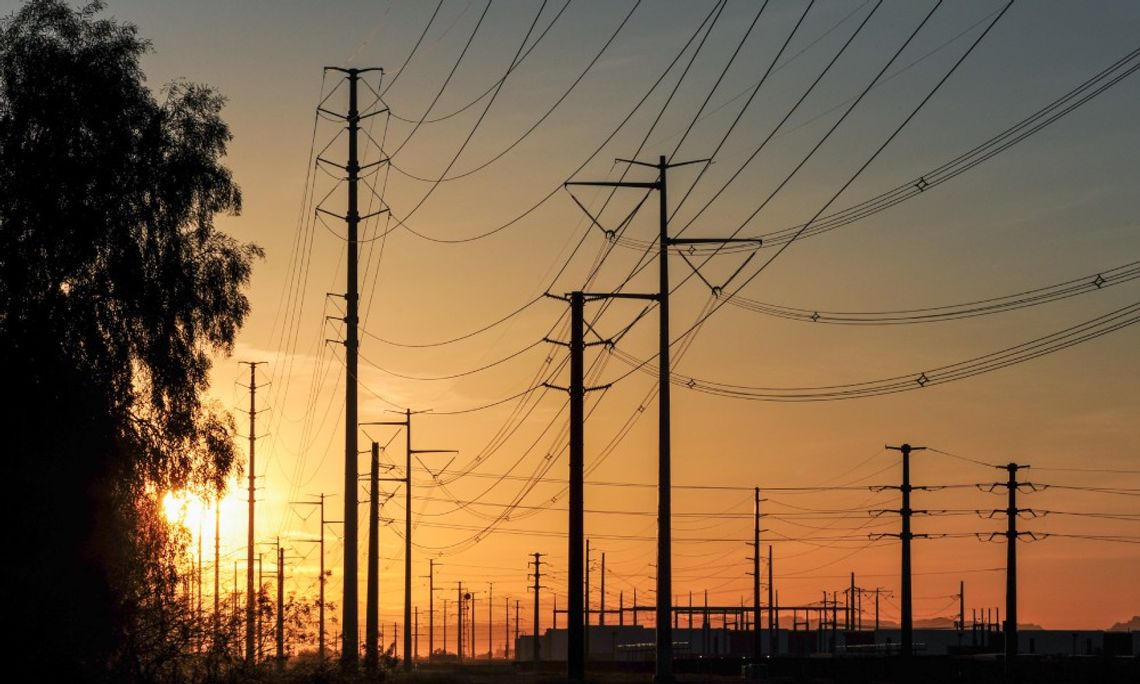
They line our suburban streets, dot vast rural landscapes, and stand guard along busy highways. Most of us pass dozens, if not hundreds, of utility poles every single day without giving them a second thought. They are so ubiquitous that they have become invisible—a standard feature of the background scenery.
If these structures were to disappear suddenly, it would have an immediate impact on daily life. Understanding how utility poles impact everyday infrastructure helps us appreciate the complex grid that keeps our lives running smoothly.
The Last Mile of Electricity
When we flip a switch, the light comes on. It is a convenience we take for granted, but the journey of that electricity is a marvel of engineering. While massive steel transmission towers carry high-voltage electricity over long distances from power plants, utility poles are the heroes of the "last mile."
These poles support the distribution lines that carry lower-voltage electricity from local substations directly to homes and businesses. Without this intricate network of poles bridging the gap between the power grid and the consumer, the electricity generated would have no way to reach your home.
This is why regular utility pole maintenance is important, since without it, we are left in the dark, metaphorically and literally.
The Backbone of Communication
While their primary association is with electricity, utility poles are actually multi-tenant structures. Look closely at a pole, and you will see distinct zones. The top is reserved for dangerous electrical equipment, but the lower section is the "communications space."
This area is a highway for information. It carries:
- Telephone lines: Traditional copper wires that still connect millions of landlines.
- Coaxial cables: Providing cable television and broadband internet.
- Fiber optics: The glass strands that enable gigabit-speed internet connectivity.
In an era where digital connectivity is as vital as electricity, the utility pole remains a critical piece of hardware. Telecommunication companies rely heavily on existing pole networks to quickly and cost-effectively expand their services, rather than digging up streets to lay underground cables.
Lighting the Way and Future Tech
Beyond wires and cables, utility poles serve as versatile mounting platforms for other essential infrastructure. Streetlights are frequently attached to them, providing safety and visibility for drivers and pedestrians at night. This eliminates the need for separate streetlight poles, reducing sidewalk clutter and infrastructure costs.
Furthermore, as technology evolves, so does the utility pole. They are becoming prime real estate for "small cell" antennas necessary for 5G networks. These small transmitters need to be placed frequently and relatively low to the ground to function effectively, making utility poles the perfect host.
Appreciating the Infrastructure Above
The next time you walk down the street, take a moment to look up and think about how utility poles impact your daily life. That humble wooden pole is doing heavy lifting for your community. It is delivering the power that warms your home, the data that connects you to the world, and the light that guides you home at night.
Comment
Comments