
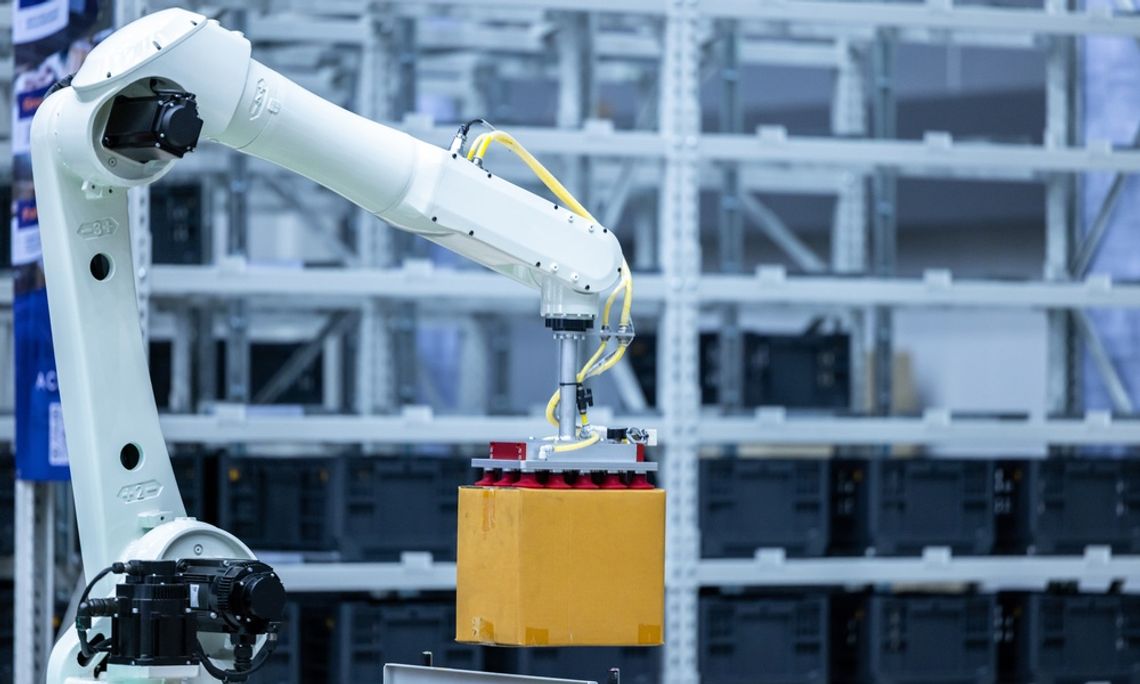
Automated palletizing is rapidly transforming how businesses handle materials, moving away from manual stacking to precise, machine-driven solutions. As supply chains face increasing pressure for speed and accuracy, knowing how robotic palletizers impact warehouse operations has become crucial for decision-makers. While this technology boosts efficiency across the board, certain sectors stand to gain the most. Here are the top four industries that benefit from automated palletizing today.
1. Food and Beverage
The food and beverage sector operates under tight deadlines and strict hygiene standards. Automated palletizers significantly increase throughput speeds, ensuring perishable goods move quickly through the supply chain. Beyond speed, automation reduces human contact with products, enhancing sanitary conditions. It also alleviates the physical strain on workers who would otherwise lift heavy cases of bottles or canned goods, leading to a safer and more productive work environment.
2. Pharmaceutical
Precision and compliance are non-negotiable in the pharmaceutical industry. Automated systems provide the exactness required to handle delicate medical products without damage. These machines ensure superior traceability, accounting for and stacking every batch according to strict regulatory guidelines. By removing the variability of human error, pharmaceutical companies can maintain high safety standards and ensure that life-saving medications reach their destinations securely.
3. Manufacturing
For general manufacturing, consistency is key. Automated palletizers deliver perfectly stacked pallets every time, which improves stability during transport and reduces product damage. This consistency also translates to better space utilization within trucks and storage facilities. Furthermore, by automating the repetitive and heavy task of palletizing, manufacturers can redeploy their workforce to more skilled roles, optimizing labor costs and improving overall operational flow.
4. Warehousing and Logistics
In the fast-paced world of logistics, every second counts. Automated palletizing streamlines the final stage of order fulfillment, allowing distribution centers to handle higher volumes with greater accuracy. This technology optimizes floor space by building higher, more stable stacks than is typically possible manually. The result is a reduction in shipping errors and a smoother transition from the warehouse floor to the delivery truck.
From ensuring food safety to guaranteeing pharmaceutical compliance, the advantages of automation are clear. As technology evolves, we will see even more industries that benefit from automated palletizing adopt these systems to stay competitive. Understanding the impact of robotic palletizers on warehouse operations is key to creating a safer, more efficient, and profitable future.
Comment
Comments