
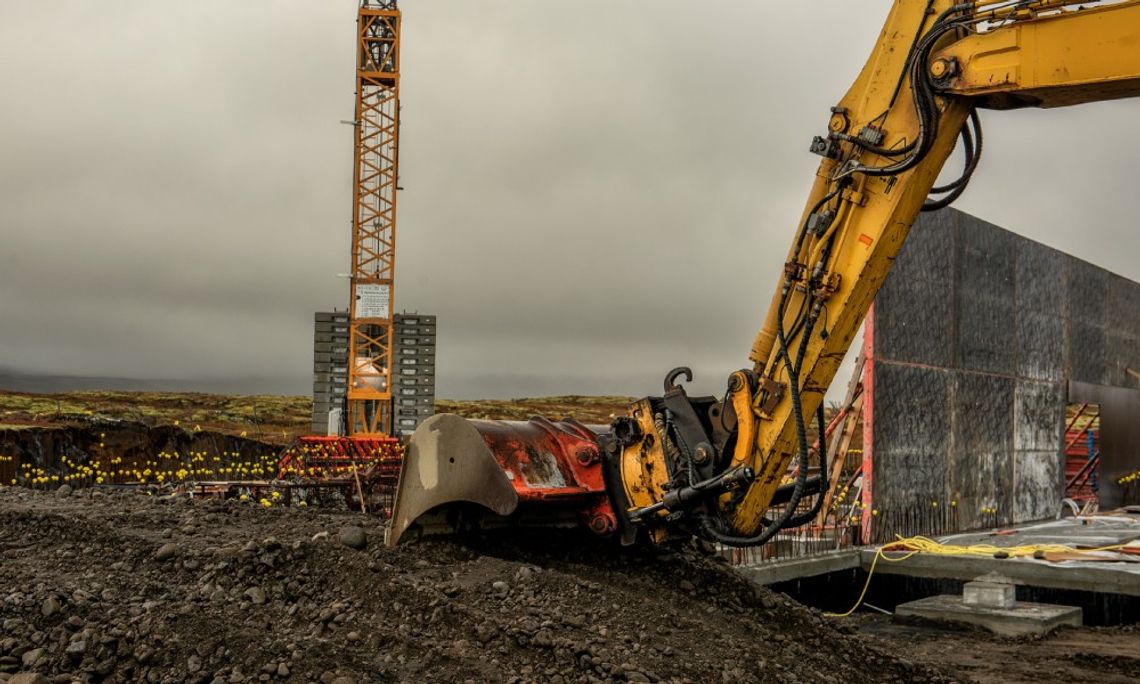
Extreme environments put industrial equipment to the ultimate test, pushing every component to its limit. From scorching heat to corrosive chemicals, these conditions threaten machinery and demand smarter strategies. Ensuring industrial equipment safety in harsh conditions requires a proactive approach, built on preparation and routine maintenance. It’s not only about keeping machines running, but also about safeguarding the people who rely on them every day.
Conduct Regular Risk Assessments
The first step in managing challenging environments is to understand the specific risks they pose. Extreme temperatures can affect battery performance, while moisture and salt can accelerate rust and corrosion.
Conduct thorough site and equipment-specific risk assessments. Identify potential environmental hazards and document how they might affect machinery function and operator safety. This process helps you create a targeted safety plan.
Adapt Maintenance Schedules
Standard maintenance schedules might not be sufficient for equipment operating in severe climates. Heat can cause lubricants to break down faster, and cold can make parts brittle. Dust and debris can clog filters and moving components more quickly.
Therefore, you should adjust your preventive maintenance frequency based on the working conditions. More frequent inspections and fluid changes may be necessary to keep machinery in optimal shape.
Utilize Proper Storage and Protection
When equipment is not in use, protecting it from the elements is crucial. Whenever possible, store machinery indoors or under a protective covering.
This simple step can prevent a great deal of wear and tear from the sun, rain, and snow. For items like intermediate bulk containers, following specific guidelines can help preserve the lifespan of an IBC tank and the materials within it, shielding them from environmental damage.
Invest in Appropriate Equipment
Some machinery is built specifically to withstand tough environments. When purchasing new equipment, consider models with features like sealed components, corrosion-resistant coatings, and robust climate control systems in the operator cab. You might see a higher initial cost going this route, but the long-term benefits in reliability and safety justify the investment.
Prioritize Operator Training
Your team is the front line of defense. Train all operators on the specific risks associated with working in harsh conditions. This includes recognizing early signs of equipment failure and knowing emergency procedures. Educated operators are better equipped to handle unexpected situations safely.
When you work in a heavily industrialized environment, there are no shortcuts to safety. The challenging environments in which this work takes place demand proactive, unwavering commitment from every level of your organization. By ensuring the safety of industrial equipment in harsh conditions, you’re reinforcing the foundation of trust that your team is built on.
Comment
Comments