
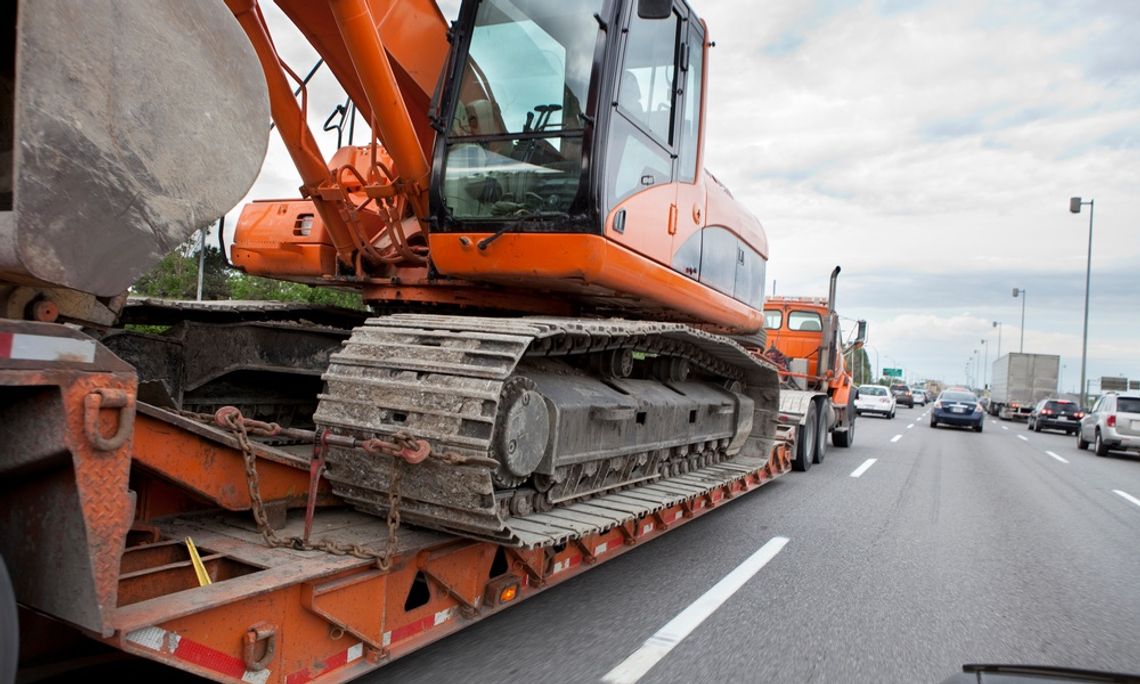
Moving heavy machinery involves high stakes. You are dealing with massive weight, expensive assets, and the safety of everyone on the road. It isn’t as simple as driving a machine onto a trailer and strapping it down! You need a systematic approach to avoid accidents, fines, and damage. Adhering to best practices for transporting construction equipment protects your investment and keeps your logistics running smoothly.
Planning the Route and Permits
Before starting the truck engine, you must review the entire route from the yard to the job site. Look for low bridges, weight-restricted roads, and narrow passes that might cause issues for a wide load. Furthermore, you need to acquire the necessary permits. State and local regulations vary, so what works in one county might result in a fine in the next.
Check the weather forecast as well! Rain or snow changes how a trailer handles and how the equipment grips the deck during loading. If the weather is bad, you might need to adjust your schedule or route to avoid hazardous conditions.
Preparing the Machine
Clean the equipment thoroughly! Mud, rocks, and debris add unnecessary weight to the load, potentially throwing off your calculations. Additionally, dirt can hide damage or loose parts. You certainly do not want a chunk of dried mud or a loose panel flying off the trailer at highway speeds.
Check the tire pressure and look for hydraulic leaks. Make sure to secure any loose items in the cab and lock the doors. Moreover, disconnect the battery if the manufacturer recommends it for long hauls.
Loading and Securing the Load
Park the trailer on a level, firm surface. You need a spotter to help guide the machine onto the deck, as visibility from the cab is usually limited. Once the equipment is centered, lower all attachments. Buckets, blades, and booms should rest on the trailer floor to lower the center of gravity.
Engage the parking brake and shut down the engine. Now you can secure the load. Use heavy-duty chains and binders rated for the machine’s weight.
On a related note, if you are hauling accessories, secure them individually. For example, transporting and storing your auger attachments requires careful handling to prevent the hydraulic lines from being crushed or the bit from rolling loose.
Final Checks
Walk around the trailer one last time! Verify that the chains are tight and the binders are locked. Do a final check to ensure the load height clears the legal limits. Following these best practices for transporting construction equipment is the only way to get the job done right and keep everyone on the road safe.
After you drive for a few miles, pull over and check the chains’ tension again, making sure they’re tight and secure.
Comment
Comments