
Everyone tells you that your chocolate chip cookies are the best they’ve ever tasted. It feels great to hear, doesn't it? Maybe you’ve started wondering if you could actually make money doing this. It’s a big jump from sharing treats with neighbors to selling them to strangers. But if you love baking, here's how to turn your passion into a business that actually works. You don’t need a massive factory to start. You just need a solid plan and the drive to make it happen.
Define Your Niche
You might be great at making croissants, wedding cakes, and gluten-free muffins, but you shouldn't try to sell them all at once. When you start, it is better to specialize. Pick the one thing you do better than anyone else and build your brand around that.
Specializing helps you streamline your grocery list and perfect your workflow. It also makes marketing easier. If you’re "the custom birthday cookie person," people know exactly when to call you. If you try to be a general bakery that does everything, you might get overwhelmed and confuse your potential customers.
Understand Your Local Cottage Food Laws
Before you sell a single cupcake, you have to check the rules. Most places have specific regulations called Cottage Food Laws that dictate what you can and can’t make in a home kitchen. Usually, shelf-stable items like cookies, breads, and dry cakes are fine. But things requiring refrigeration like custards, cheesecakes, or cream pies might be off-limits without a commercial kitchen. Ignoring these rules puts your new venture at risk before it even starts.
Assess Your Equipment Needs
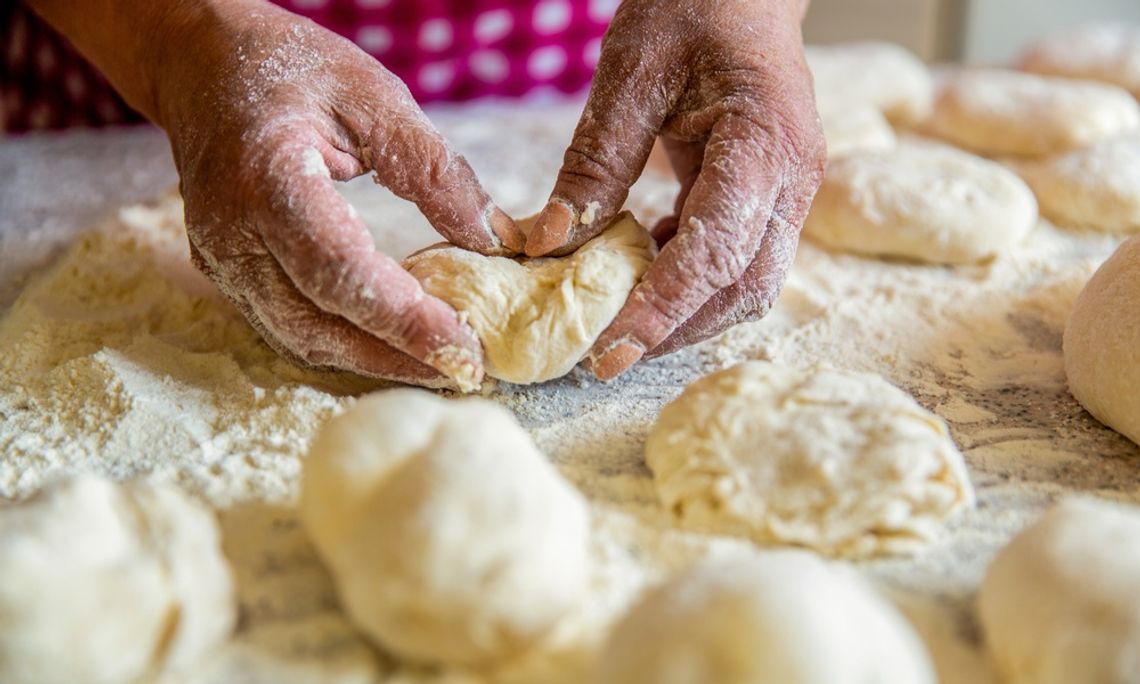
What's your philosophy on baking? Do you believe everything should be hand-touched and homemade? Or are you open to using new equipment to increase your speed and production? One question worth asking is if you're going to continue hand kneading your dough or if you'll invest in a commercial dough mixer.
If you continue hand-kneading, you'll be slower and produce less, but you'll be able to market the artisanal quality of your goods. If you use a mixer, you can make more stock and sell more product. Either option is a valid business choice; but you need to know your stance before starting so you can budget for any additional equipment your new home-based business might require.
Price Your Goods for Profit
This part trips up almost every new baker. You can’t just charge for the cost of flour and sugar. You need to pay yourself for the time you spend shopping, baking, cleaning, and packaging. You also have to factor in costs like electricity, gas, and boxes.
Look at what local bakeries charge and find a sweet spot that covers your expenses and leaves room for profit. It feels scary to charge real money, but your time is valuable. Don't apologize for charging what you're worth.
Ready to Start Selling?
If you love baking, here's how to turn your passion into a business one batch at a time. You have the skills to make delicious food, and now you have a roadmap to sell it. Don't let fear stop you from trying. Get out your mixer and show the neighborhood what you can really do.
Comment
Comments