
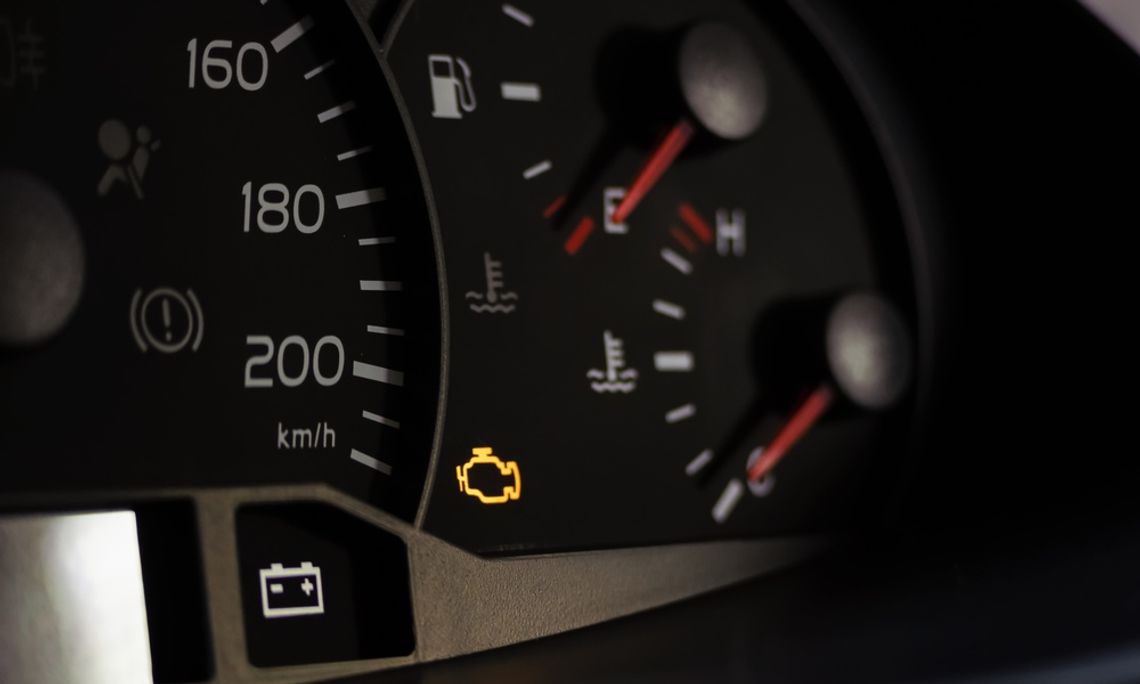
That glowing amber icon suddenly appearing on your dashboard often triggers immediate anxiety. You scan the gauges, wondering if the vehicle will make it to your destination or leave you stranded on the shoulder. While the symbol looks generic, the code behind it tells a specific story about your vehicle's health. Taking time to investigate what "check engine" could really mean for your car helps you react appropriately without unnecessary panic.
The Simple Fix: Loose Gas Caps
Technicians frequently find that a loose gas cap triggered the alarm. Because the fuel system operates under pressure, even a tiny vapor leak triggers an alert from the onboard computer. If you recently filled the tank, check the cap first. A simple twist until it clicks might resolve the issue, though the light may take a few drive cycles to turn off automatically.
Oxygen Sensor Malfunctions
Your car monitors exhaust gases constantly to optimize performance. The oxygen sensor monitors unburned oxygen levels and sends data to the engine computer to adjust the fuel mixture. Over time, these sensors become coated with oil ash and lose their ability to accurately read data. A faulty sensor can ruin your gas mileage and eventually damage other expensive components if you ignore the replacement interval.
Catalytic Converter Issues
Your catalytic converter protects the environment by converting carbon monoxide into less harmful emissions. Unlike other parts, a converter usually doesn't fail unless maintenance issues are ignored. When it stops functioning, your car will run hotter and lose fuel efficiency. Replacing this part comes with a high price tag, making preventive maintenance vital for protecting your wallet.
Mass Airflow Sensor Problems
The mass airflow sensor measures the volume of air entering the engine to determine how much fuel to inject. When this part fails, usually due to a clogged air filter allowing debris through, the engine cannot adjust to changes in altitude or air density. You might experience stalling, difficulty starting, or a noticeable drag during acceleration.
Transmission and Drivetrain Concerns
Occasionally, the warning light indicates trouble deeper in the mechanical systems rather than just emissions or sensors. The computer might detect irregular shifting patterns or fluid pressure issues. Serious drivetrain problems require careful consideration, and you may find yourself choosing between a transmission rebuild or replacement depending on the severity of the damage.
Modern vehicles act as complex networks of sensors and computers. That single dashboard light serves as a messenger for dozens of potential systems. Knowing what "check engine" could really mean for your car empowers you to make smart maintenance decisions and keeps your vehicle on the road longer.
Comment
Comments