
Relocating to a new country can be challenging even for the most resilient people. You leave behind familiar faces, comfort foods, and the ease of speaking your native tongue. The journey of starting over can feel isolating and overwhelming, but no one should have to face it alone.
Building a new life requires a village, or at least a network of reliable support systems. That’s why we need to make key resources for supporting immigrant communities accessible to everyone who needs them.
Navigating the Legal Landscape
Immigration law changes constantly. It confuses experts, so imagine how it feels for someone who just arrived. Thankfully, many non-profit organizations offer pro bono services to help families understand their status and file necessary paperwork.
These legal aid societies bridge the gap between confusion and security. Additionally, they protect vulnerable individuals from scams that promise quick visas for high fees. You can find local bar associations that provide referrals to reputable attorneys who specialize in these specific challenges.
Healthcare and Mental Well-being
Physical health directly impacts a person’s ability to work and care for their family. Yet, insurance requirements and high costs frequently block access to basic care. Community health clinics fill this void by operating on sliding fee scales based on income. Moreover, the emotional toll of migration creates a deep need for mental health support.
Culturally sensitive counseling helps people process the trauma of displacement without the fear of judgment or misunderstanding. Helping families connect with these clinics helps keep the entire community healthier.
Language and Education Access
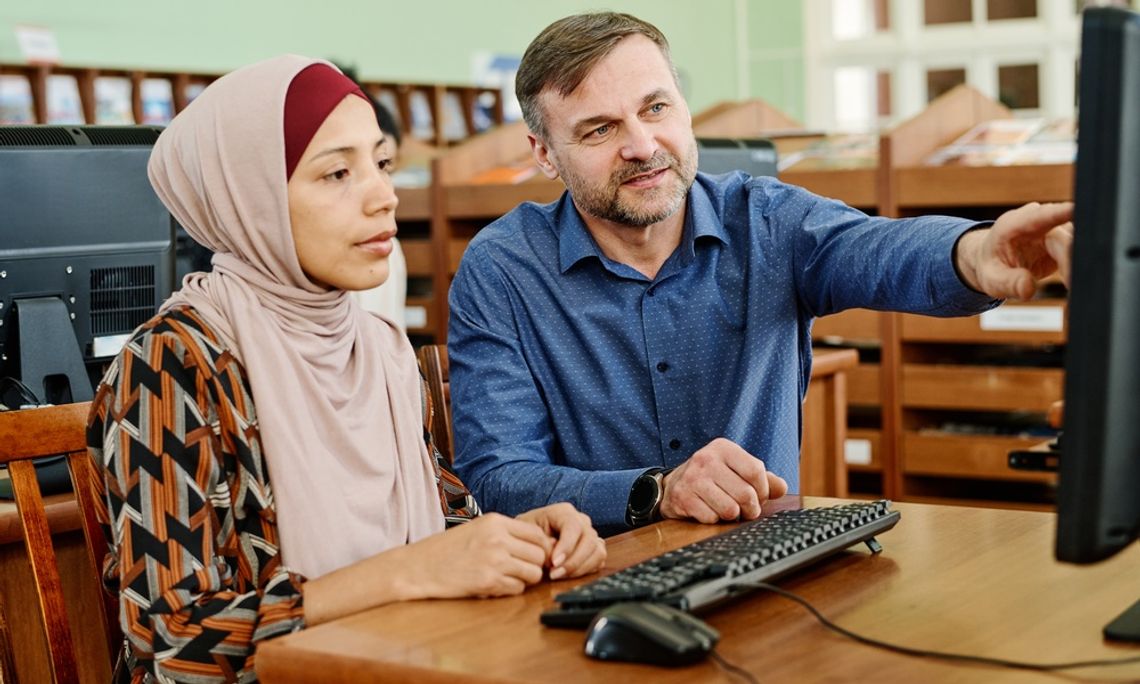
Communication unlocks opportunity, but without fluency in the local language, simple tasks like grocery shopping or reading a bus schedule become major hurdles. Public libraries and community centers frequently host English as a Second Language (ESL) classes.
They teach English and create social hubs where students meet others in similar situations. Furthermore, job training programs help immigrants translate their existing skills into the local marketplace, allowing them to contribute their talents to the economy.
Understanding Civil Liberties
Fear often keeps people in the shadows. Knowledge empowers them to stand up for themselves, which is why educational workshops that explain civil liberties are essential. For instance, knowing your rights during an immigration hold can prevent a bad situation from becoming a violation of justice.
Advocacy groups work tirelessly to distribute this information so that no one has to face law enforcement without knowing their options. When people understand the protections available to them, they engage more freely with their surroundings.
Helping Out Locally
Supporting our neighbors strengthens the entire community. We all benefit when everyone feels safe, healthy, and welcome. By sharing and funding key resources for supporting immigrant communities, you help build a society that values dignity and opportunity for all. Look for organizations in your area that need volunteers or donations, and help extend a hand to those building a new home.
Comment
Comments