
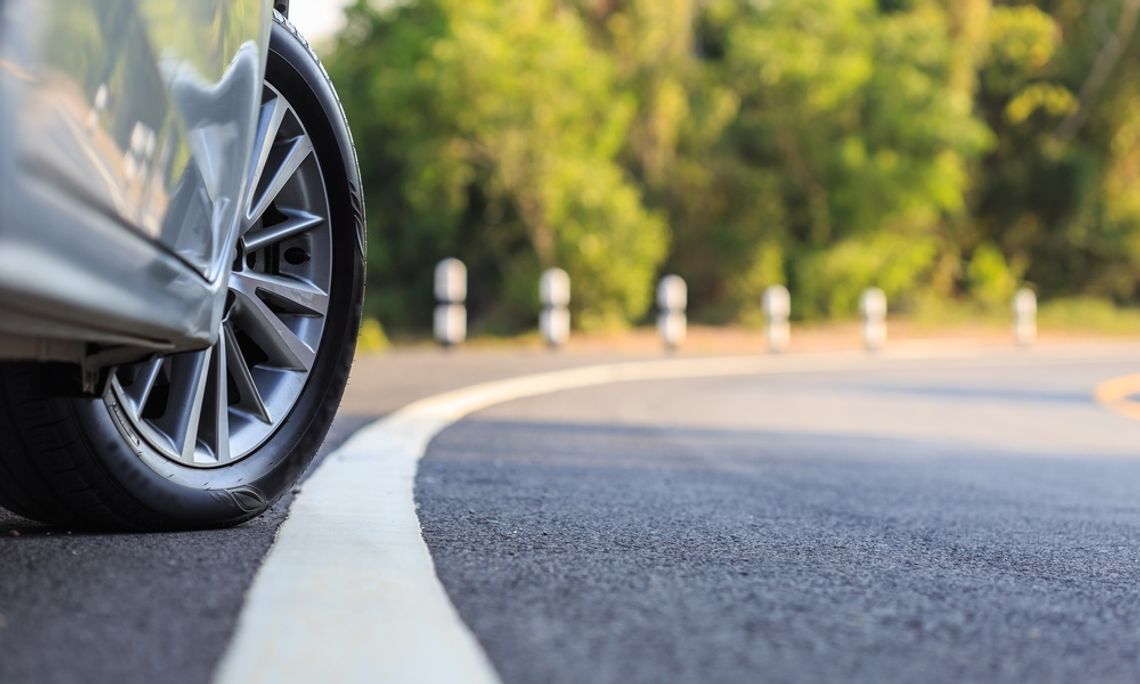
While all the flashy features of a vehicle are undeniably attractive to drivers, they often overshadow the most fundamental safety component: the tires.
Tires are the only point of contact between your car and the road. Everything your car does—accelerating, braking, and turning—relies entirely on the grip generated by those four small areas of rubber. That’s why it is important to understand the impact of tires on road safety.
The Critical Role of Tread Depth
Tread depth is arguably the most significant factor in tire performance, particularly in wet conditions. The grooves in your tires are designed to channel water away from the contact patch, allowing the rubber to grip the road surface.
As tires wear down, the depth of these grooves decreases. This reduces the tire's ability to displace water. When water cannot escape fast enough, a layer of water builds up between the tire and the road. This phenomenon is known as hydroplaning (or aquaplaning). When this happens, you effectively lose all steering and braking control.
Stopping Distances
The difference in stopping distance between new and worn tires is stark. In wet conditions, a tire with the legal minimum tread depth (usually around 1.6mm or 2/32 of an inch) can take significantly longer to stop compared to a new tire with full tread. That extra distance can be the difference between a near-miss and a serious collision.
Tire Pressure: The Silent Safety Hazard
Tire pressure is another critical, yet often overlooked, aspect of road safety. Tires are engineered to operate at a specific internal pressure to maintain the optimal shape and contact patch.
Under-inflation
When a tire is under-inflated, more of the tire's surface touches the road than intended. This increases friction and heat generation. Excessive heat can degrade the tire's internal structure, potentially leading to a blowout at high speeds. Furthermore, under-inflated tires make steering feel sluggish and increase braking distances.
Over-inflation
Conversely, over-inflated tires bulge in the center, reducing the contact patch. This results in reduced grip and a harsher ride. It also makes the tire more susceptible to damage from potholes or debris because the rubber is stretched taut and cannot absorb impacts as effectively.
Choosing the Right Tire for the Conditions
There have been many iconic tire brands over the years, but you should first focus on tires that work best for your environment. Summer, all-season, and winter tires are made of different rubber compounds designed to perform in specific temperature ranges.
Summer Tires: These use a harder compound that withstands heat but can become like hard plastic in freezing temperatures, losing grip.
Winter Tires: These use a softer compound that stays pliable in freezing weather, ensuring grip on snow and ice.
All-Season Tires: A compromise between the two, offering adequate performance in most conditions but rarely excelling in extremes.
Using summer tires in snowy conditions is a recipe for disaster, just as using winter tires in high heat can lead to rapid wear and poor handling.
Stay Safe by Staying Grounded
It is easy to take tires for granted, but once you understand their impact on road safety, you can appreciate their importance. Don't wait for a skid or a flat to remind you of their importance. Check your tires today.
Comment
Comments