
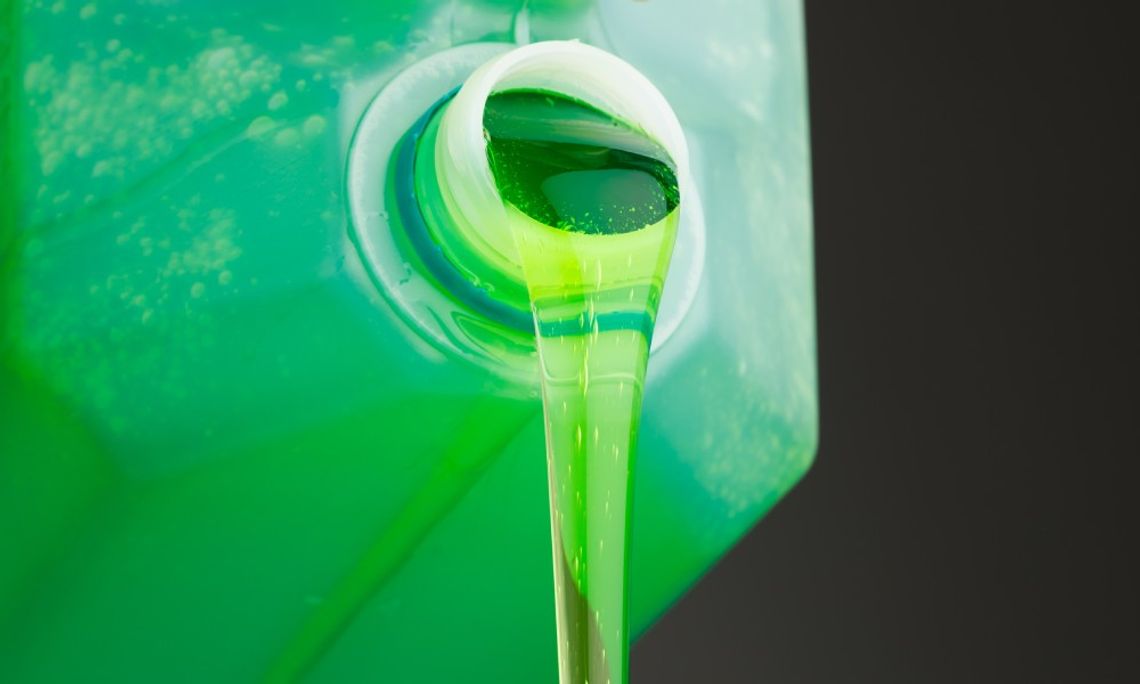
Industrial detergents tackle the toughest grime in factories, hospitals, and commercial kitchens. While standard soap might handle a dinner plate, these powerful chemical mixtures strip away heavy grease, sanitize surfaces, and prepare metals for processing. Manufacturers rely on a precise blend of ingredients to ensure these products work effectively without damaging machinery or harming the environment. Below, we will examine the key ingredients in industrial detergents.
The Role of Surfactants
Surfactants are essential in every detergent formula. These molecules lower the surface tension of water, allowing it to spread and penetrate dirt more easily. Linear alkylbenzene sulfonic acid (LABSA) often serves as a primary surfactant in industrial formulas. Its ability to break down oils and suspend dirt in water makes it indispensable for heavy-duty cleaning.
Aromatic sulfonic acids also play a crucial role here. As versatile intermediates, they enhance the cleaning power of detergents. The demand trends for aromatic sulfonic acid worldwide show a steady rise in their use for industrial cleaners.
Builders and pH Adjusters
Surfactants rarely work alone. Builders, such as phosphates or zeolites, soften hard water by neutralizing calcium and magnesium ions. This process allows the surfactants to focus on cleaning rather than fighting minerals in the water.
Manufacturers also add pH adjusters to optimize the cleaning environment. Alkaline ingredients such as sodium hydroxide cut through acidic soils such as fats and oils, while acidic components tackle mineral deposits and rust. Finding the right pH balance ensures the detergent targets contaminants effectively.
Enzymes and Additives
Enzymes enter the mix for specialized tasks. Proteases break down protein-based stains such as blood or food, while amylases target starches. These biological catalysts allow detergents to work at lower temperatures, saving energy and protecting delicate surfaces.
Additives round out the formula. Optical brighteners make fabrics appear whiter, corrosion inhibitors protect metal equipment during cleaning, and preservatives extend the product’s shelf life.
Why Formulation Matters
Combining the key ingredients in industrial detergents requires balancing power with safety. A formula that is too harsh can corrode equipment, while one that is too weak wastes time and resources. Chemical suppliers and manufacturers are innovating to develop greener, more efficient solutions that meet the evolving needs of modern industry. By understanding these key components, businesses can choose the right cleaning agents to maintain safety and efficiency in their operations.
Comment
Comments