
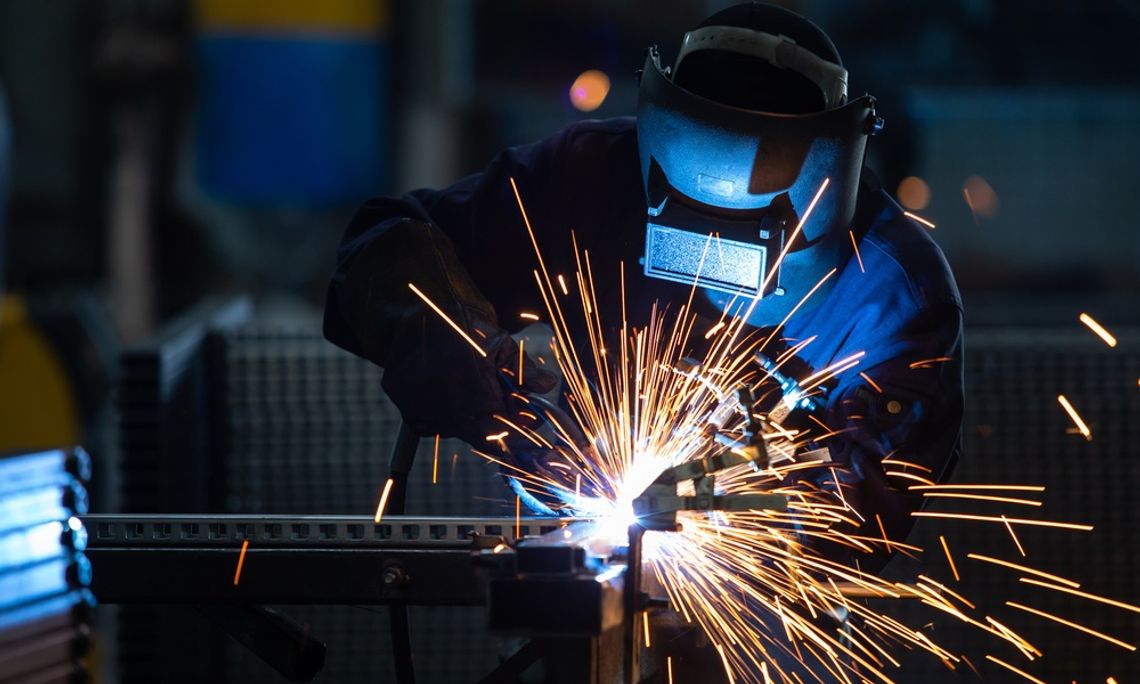
Welding is a skill that blends technique, precision, and preparation. Even experienced welders can fall into habits that lead to weak joints, poor appearance, or costly rework. Understanding the most common welding mistakes and knowing how to avoid them can significantly improve both the quality and durability of your welds.
Poor Joint Preparation
One of the most frequent welding mistakes happens before the arc is ever struck. Dirty, rusty, or improperly fitted materials can prevent proper fusion and lead to defects such as porosity or cracking. Contaminants like oil, paint, and moisture interfere with the weld pool and weaken the final joint.
To avoid this issue, always clean the base metal thoroughly and ensure joints are properly aligned and sized for the welding process being used. Poor preparation is among the most common factors when it comes to poor weld quality, so make sure you adequately prepare every piece of metal you work.
Incorrect Welding Parameters
Using the wrong voltage, amperage, or wire speed is another common problem. Settings that are too high can cause burn-through or excessive spatter, while settings that are too low may result in poor penetration and weak welds.
Taking the time to adjust your machine based on material thickness, welding position, and electrode type is essential. Performing test welds before starting a project helps confirm that parameters are correctly set.
Inadequate Heat Control
Heat control plays a major role in weld quality. Excessive heat can warp materials, especially thin metals, while insufficient heat may prevent proper bonding. Many welders rush their work, allowing heat to build up too quickly.
To avoid this, maintain consistent travel speed and use appropriate welding techniques such as stitch welding or allowing cooling time between passes when necessary.
Improper Welding Technique
Poor torch angle, inconsistent travel speed, or incorrect electrode manipulation can lead to uneven beads and structural weaknesses.
For example, moving too fast can cause undercutting, while moving too slowly may result in excessive buildup. Practicing proper body positioning and maintaining a steady hand can greatly improve consistency. Watching the weld puddle rather than the arc itself also helps maintain better control.
Using the Wrong Filler Material
Not all filler materials are compatible with every base metal. Using the wrong filler can lead to cracking, corrosion issues, or reduced strength.
Always verify that the filler metal matches the type and grade of the base material. Manufacturer recommendations and welding procedure specifications are valuable resources for selecting the correct consumables.
Neglecting Safety and Equipment Maintenance
Overlooking equipment maintenance can indirectly cause welding defects. Worn contact tips, damaged cables, or improper gas flow can affect arc stability and weld quality.
Regularly inspecting and maintaining your equipment ensures consistent performance. Additionally, proper safety gear not only protects the welder but also promotes better focus and technique during the job.
Welding mistakes are common, but most are preventable with proper preparation, correct settings, and consistent technique. By paying attention to joint preparation, heat control, and equipment condition, welders can avoid costly errors and produce stronger, cleaner welds. Continuous practice and attention to detail remain the best tools for improving welding results over time.
Comment
Comments