
By Kenneth A. McDade
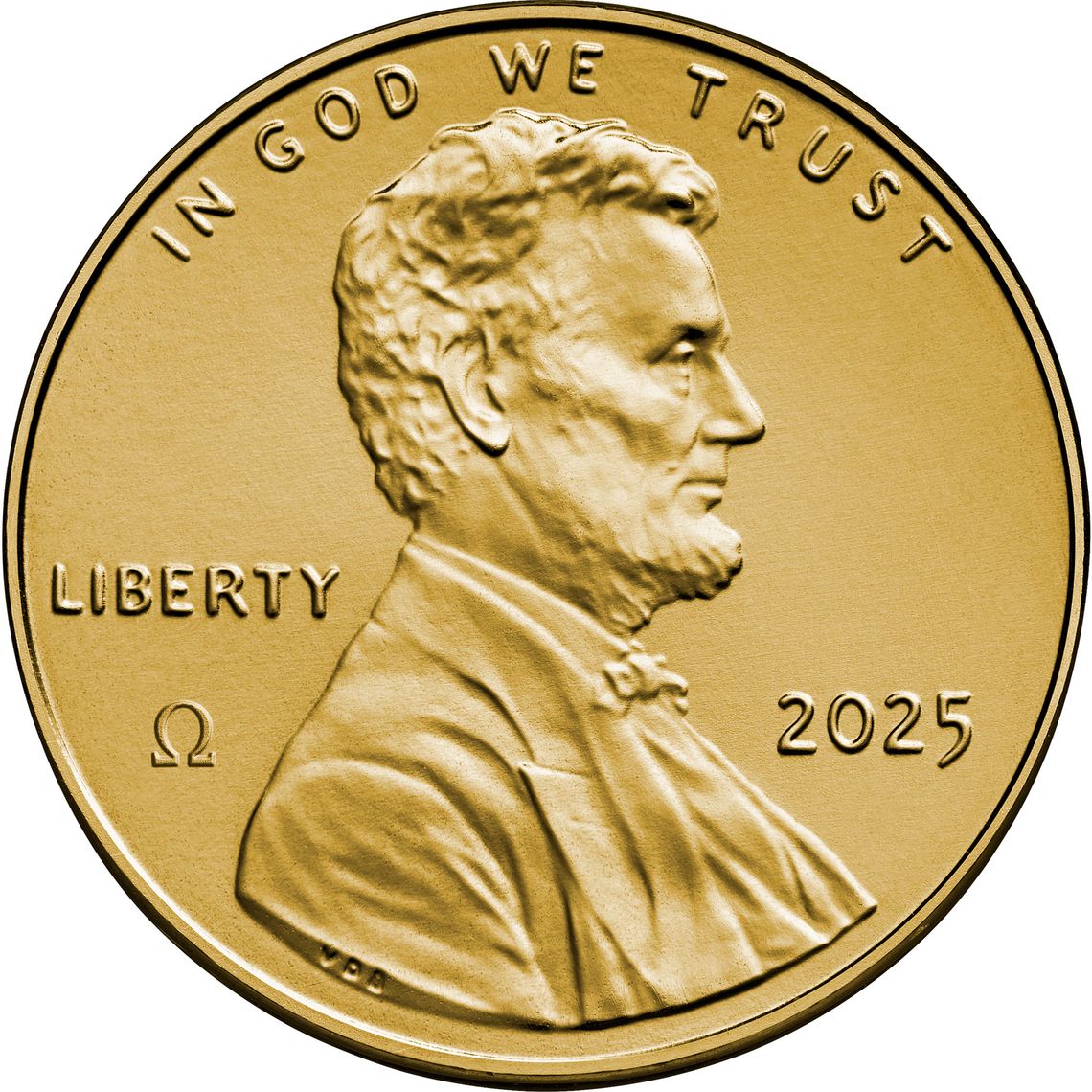
Well, folks, after more than a century of riding in our pockets, clogging our car cupholders, jingling in our dryers, and hiding in that mysterious kitchen drawer everyone pretends to organize once a year, the penny is finally retiring. Yes, the humble one-cent coin—our nation’s longest-running, least-respected employee—is clocking out for good.
And I, for one, feel like I’m saying goodbye to an old friend. The kind of friend who never accomplished much, but always tagged along anyway.
We’ve spent generations insisting, “A penny saved is a penny earned,” despite the fact that most of us refused to bend down and pick one up unless destiny, karma, or childhood superstition demanded it. Because let’s be honest: if you grew up in America, you’ve whispered at least once, “Find a penny, pick it up, and all the day you’ll have good luck.” A business plan? No. A national pastime? Absolutely.
The penny has always been a coin of contradictions. Nearly worthless, yet lovingly stuffed into birthday cards as if it were a down payment on a college education. Easy to lose, yet idiomatic enough to shape our emotional lives. After all, someone offers “a penny for your thoughts,” but you respond with “my two cents,” meaning there is—quite suspiciously—a one-cent profit margin hiding in human conversation. Say what you want, but the penny understood economics.
It starred in our heartbreaks, too. If teardrops were pennies and heartaches were gold, plenty of us would be running a modest personal mint by now. And in the realm of bravery, it coached us through commitment: “In for a penny, in for a pound.” Not bad advice from a coin that could barely buy a gum wrapper.
For decades, Americans tossed pennies into fountains and wells with all the hope of romantics on a tight emotional and financial budget. We flung them over our shoulders for luck—tiny copper frisbees of optimism soaring through the air. Honestly? Charming. Illogical, but charming.
Not every penny behaved, of course. The “bad penny” always turned up—usually sticky, suspiciously discolored, or fused to an unknown substance that made you seriously rethink the cleanliness of the national currency supply. And then there was “penny ante,” the card game you played only when you didn’t want anyone to know you were broke.
But behind all the nostalgia lies the real reason for the penny’s retirement: it simply costs too much. Since the early 2010s, each penny has cost more than one cent to produce—a financial irony the penny would have appreciated if it had feelings. Even inflation, which usually boosts everyone’s value, couldn’t rescue our smallest metallic buddy this time.
Still, the penny leaves us with one final lesson: “Watch the pennies, and the dollars will take care of themselves.” True, we can no longer watch them very closely—they’re disappearing, after all—but the sentiment remains solid. Small things matter. They add up.
So goodbye, dear penny. You were thin, coppery, occasionally grimy, sometimes lucky, frequently ignored, and always scrappy in that lovable underdog way. You made the world go ’round—well, not literally, but you did fuel a century of wishes, hopes, superstitions, and spare-moment generosity.
Not a penny more, not a penny less—we’ll miss you all the same.
*Official U. S. Mint production ended: November 12, 2025.
Comment
Comments