
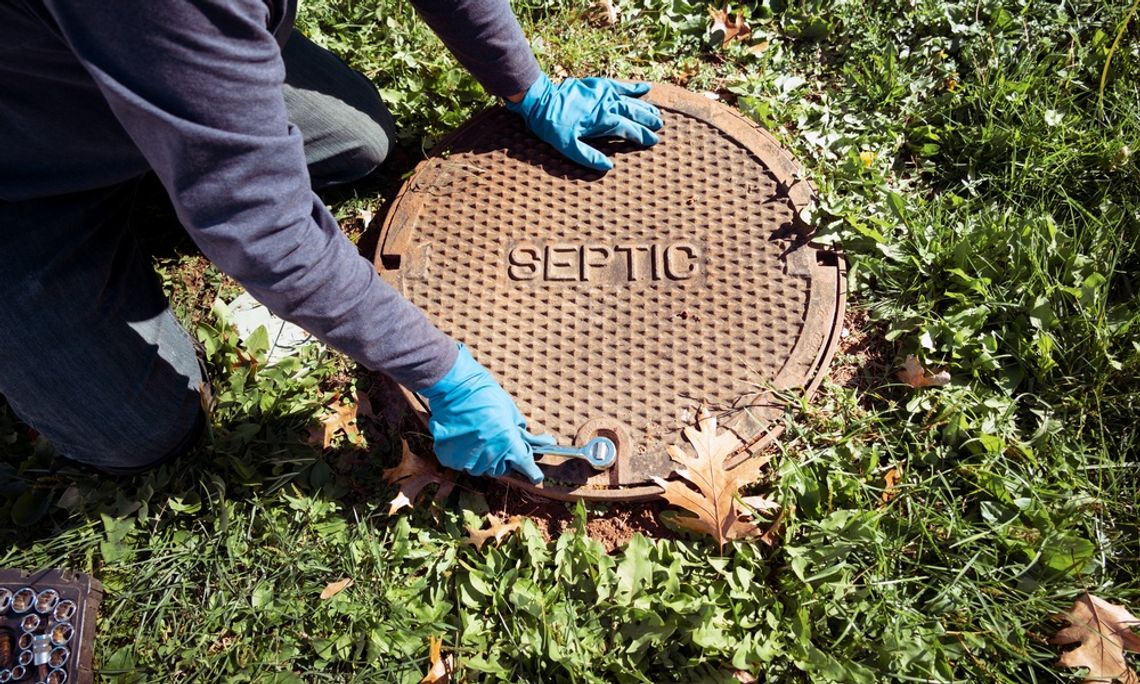
Your septic tank plays an important role in managing wastewater from your home. When you understand how it works and how to maintain it, you protect your property, your health, and your investment. Many homeowners overlook their system until problems appear, yet routine attention prevents expensive repairs and environmental damage. With the right knowledge, you can keep your septic system running efficiently for decades.
How a Septic Tank Works
A septic system moves wastewater from your toilets, sinks, showers, and appliances into an underground tank. Inside the tank, solids sink to the bottom and form sludge, while oils and grease float to the top and create scum. Bacteria break down a portion of the solid waste and reduce its volume. The remaining liquid, called effluent, flows out to a drain field where soil filters contaminants before the water returns to the groundwater supply.
Key Components of Your System
Every septic setup relies on several working parts that demand regular attention. You should understand what each component does so you can spot early warning signs and schedule service before trouble spreads.
- The septic tank collects and separates solid and liquid waste.
- The drain field disperses effluent into the soil for natural filtration.
- The inlet and outlet pipes carry wastewater in and out of the tank.
- The soil and surrounding area support proper drainage and treatment.
Maintenance and Pumping Schedule
Regular maintenance protects your system from backups and costly failures. Most homeowners need to pump the tank every three to five years, depending on household size and water usage. When you schedule inspections, a professional checks sludge levels, examines baffles, and looks for cracks or leaks. You can reduce strain on the system by fixing dripping faucets, spreading out laundry loads, and avoiding excessive water use in a single day. Consistent care extends the life of your drain field and lowers the risk of contamination on your property.
Warning Signs of Septic Problems
Homeowners who recognize early symptoms can avoid major repairs. Slow drains, gurgling pipes, and sewage odors inside the house often signal trouble in the tank or drain field. Standing water or unusually lush grass above the system may indicate leaking effluent. If toilets back up or wastewater surfaces in your yard, contact a septic professional immediately. Quick action limits damage and protects nearby wells, streams, and neighboring properties from contamination.
Responsible Use and Long Term Planning
Smart habits shape the performance of your septic system over time. Avoid flushing wipes, feminine products, paper towels, or harsh chemicals because these items disrupt bacterial activity and clog pipes. Limit garbage disposal use since food scraps increase solid buildup in the tank. Direct roof drains and surface water away from the drain field to prevent oversaturation.
As you think about the evolution of septic tanks, consider how modern designs improve efficiency yet still depend on mindful homeowners. When you plan home additions, extra bathrooms, or higher occupancy, consult a septic contractor to confirm that your current system can handle the added demand.
Proactive decisions today help you avoid system overload and protect your property value for years to come. Regular communication with service providers ensures accurate records and timely maintenance reminders for your household. Keep documentation organized for future reference and resale.
Comment
Comments