
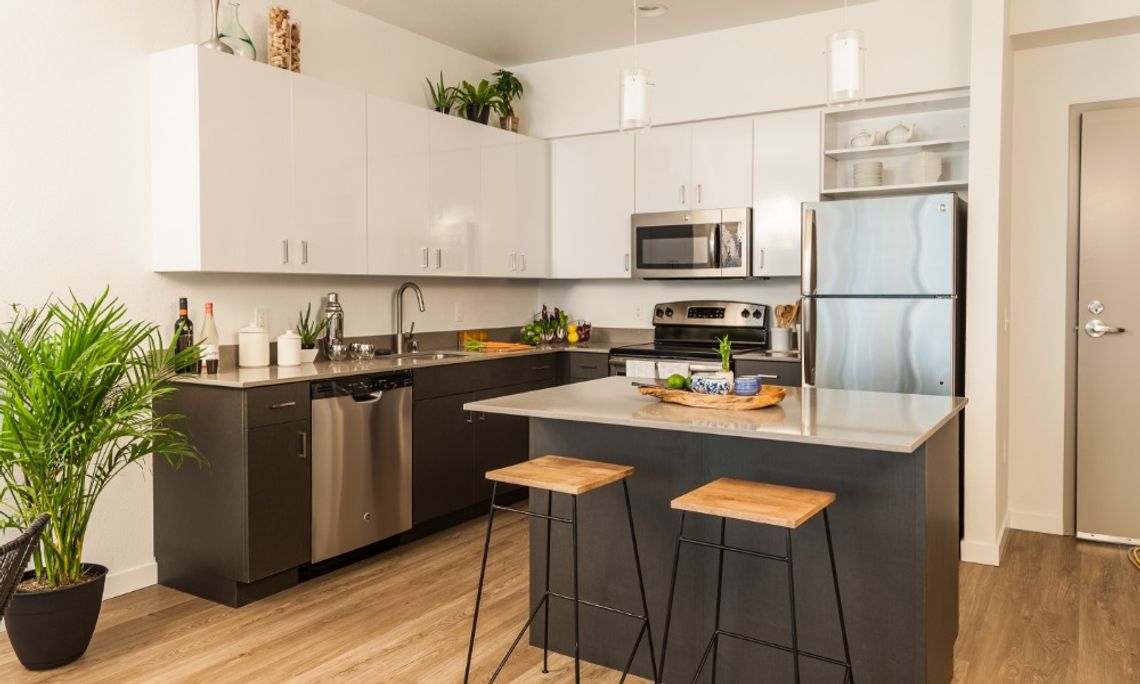
A well-designed kitchen does more than look beautiful. It supports your daily routines, improves efficiency, and makes cooking and gathering more enjoyable. Whether you are remodeling completely or making small updates, thoughtful design choices can transform your kitchen into a space that works seamlessly for your lifestyle. By focusing on a few design tips to create a functional home kitchen, you’ll be able to make a space that feels both practical and inviting.
Focus on an Efficient Layout
The foundation of a functional kitchen begins with its layout. A well-planned space keeps essential areas within easy reach and reduces unnecessary movement. The classic work triangle, which connects the sink, stove, and refrigerator, remains a reliable guideline for improving flow. When these elements are positioned thoughtfully, meal preparation becomes smoother and more efficient.
Consider how you move throughout your kitchen during everyday tasks. Ensure there is enough counter space near appliances, especially beside the stove and refrigerator, to make food preparation easier. Walkways should remain clear and wide enough to allow multiple people to move comfortably without crowding. An open layout can also help connect the kitchen to dining or living areas, making the space more functional for entertaining.
Updating Cabinets for Style and Function
Updating cabinets is one of the most impactful ways to enhance both the appearance and functionality of your kitchen. Cabinets occupy a significant portion of visual space, so refreshing them can instantly modernize the room. Depending on your budget, you may choose to refinish, reface, or fully replace existing cabinetry.
Beyond aesthetics, consider functionality. Soft-close hinges and full-extension drawer slides improve daily usability. Adding internal organizers, such as pull-out spice racks or tray dividers, increases efficiency without altering the overall layout. Cabinets can come in all sorts of sizes and dimensions, so make sure you know the differences and select the best to fit your kitchen.
Prioritize Proper Lighting
Lighting plays a critical role in creating a functional kitchen. A layered approach works best, combining ambient, task, and accent lighting. Overhead fixtures provide general illumination, while under-cabinet lighting brightens countertops for safer food preparation.
Pendant lights above an island not only add visual interest but also offer focused light for cooking or casual dining. Natural light should also be maximized whenever possible. Larger windows or strategically placed mirrors can help reflect light and make the space feel open and welcoming.
Select Durable, Easy-to-Maintain Materials
Functionality extends to the materials you choose. Countertops, flooring, and backsplashes should be durable enough to handle spills, heat, and frequent cleaning. Quartz and granite countertops offer long-lasting performance, while tile or luxury vinyl flooring provides resilience in high-traffic areas.
Selecting finishes that are easy to clean reduces maintenance time and keeps your kitchen looking polished. Balancing style with practicality ensures your kitchen remains both attractive and highly usable.
Designing a functional home kitchen requires thoughtful planning and attention to detail. By focusing on layout, storage, cabinets, lighting, and durable materials, you can create a space that supports your daily needs while maintaining a timeless, welcoming feel.
Comment
Comments