
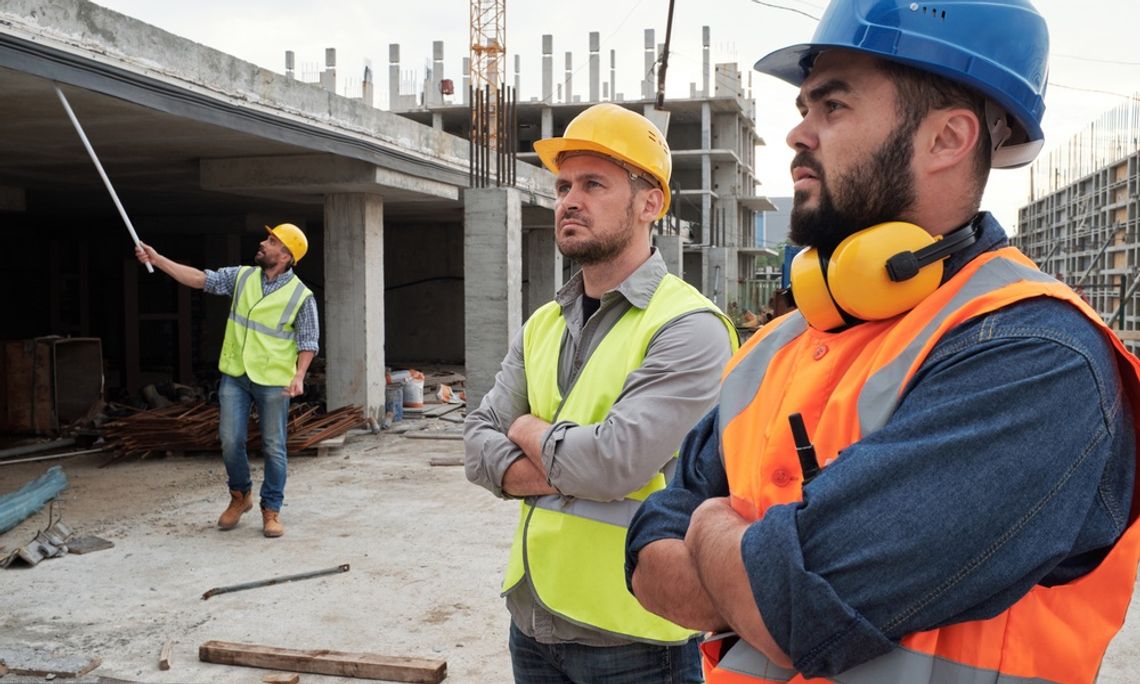
In physically demanding industries, safety is more than a formality; it is a daily responsibility. Choosing the right personal protective equipment (PPE) for high-risk work environments begins with understanding the specific hazards of the job and selecting gear that addresses real-world conditions, not just general guidelines.
Start With a Hazard Assessment
Every worksite presents a unique set of risks. Construction teams may face falling debris, loud equipment, and electrical exposure. Agricultural and industrial workers often contend with heavy machinery, sharp tools, and environmental extremes. And utility crews may encounter energized equipment or low-visibility conditions.
Before purchasing or issuing safety gear, identify the primary hazards, such as:
- Impact or falling objects
- Fire or electrical risks
- Limited visibility
- Chemical exposure
- Heat stress
A clear assessment of the work environment and its potential risks ensures all PPE choices are purposeful rather than generic.
Consider Visibility and Flame Resistance
In many industries, workers operate near moving vehicles, heavy equipment, or active roadways. High-visibility garments with reflective striping help reduce the likelihood of accidents in low-light or high-traffic conditions.
Some roles require protection from both visibility hazards and fire-related risks. In these cases, garments designed to meet standards for both risks can be appropriate. It is important to understand the purpose of dual-performance hi-vis FR clothing, as it is engineered to provide both high visibility and flame-resistant protection. This double coverage makes these safety garments relevant in electrical, energy, and industrial sectors.
Account for Climate and Comfort
Environmental conditions directly affect worker safety. In hot and humid climates, heavy or poorly ventilated gear can contribute to fatigue and heat-related illness. Breathable fabrics and moisture-wicking materials can improve worker comfort without compromising protection.
In colder weather, apparel layering systems should allow workers to maintain mobility while preserving insulation. PPE that offers movement minimizes the chances of new hazards, especially when climbing, lifting, or operating machinery.
Maintain Proper Fit and Compliance
Even high-quality safety equipment can fail if it does not fit properly. Hard hats should sit securely without slipping, gloves must allow dexterity for detailed tasks, and eye protection should seal comfortably and resist fogging.
Additionally, PPE must comply with applicable Occupational Safety and Health Administration (OSHA) and American National Standards Institute (ANSI) standards. Certification labels confirm that personal protective equipment has been tested to meet defined safety benchmarks.
Take a Practical, Risk-Based Approach
Selecting the right PPE for high-risk work environments is not about choosing the most expensive gear available. It is about aligning protection with actual job demands, environmental conditions, and regulatory requirements. When workers and employers take a thoughtful, risk-based approach to safety gear, PPE becomes an essential layer of defense that supports safer, more productive jobsites.
Comment
Comments