
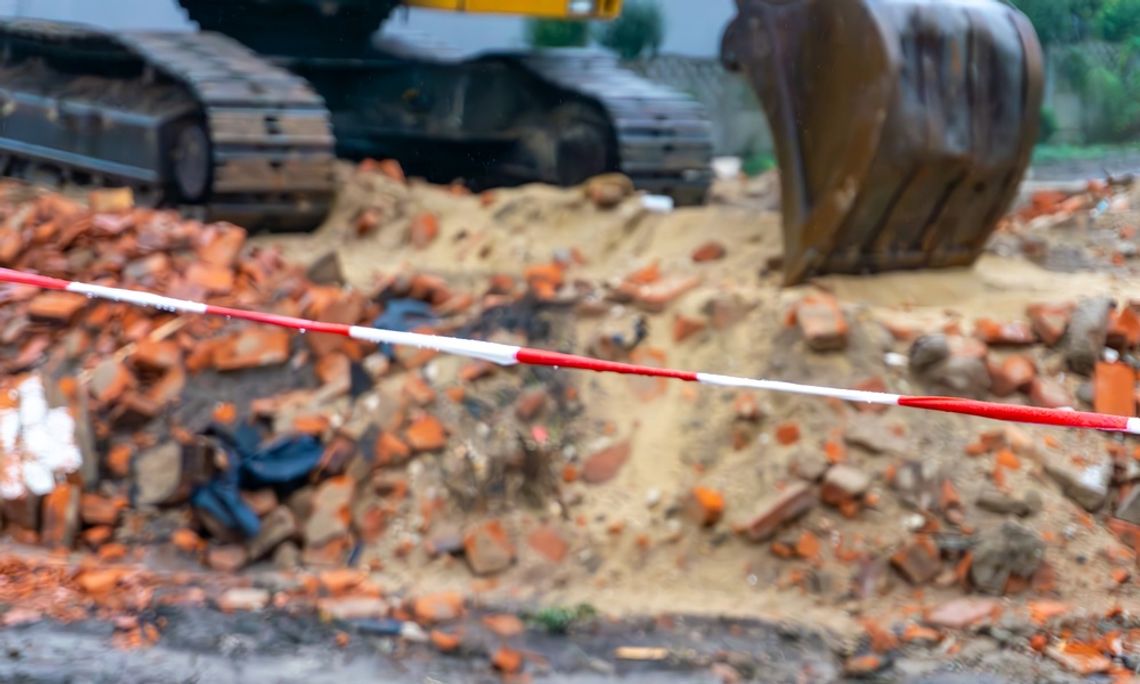
Successful demolition begins weeks before demo day with planning, permits, and preparation. The steps you take before starting a demolition determine whether a project moves forward smoothly or stalls under fines, delays, and safety risks. In a growing community like Pelahatchie, careful preparation protects neighboring properties, workers, and the environment.
Secure Permits and Confirm Local Requirements
Contact local building officials before equipment arrives. County regulations may require permits, inspections, or documentation depending on the structure’s size and location. Utility companies must disconnect electricity, gas, and water lines before any physical work begins. Skipping these steps creates serious hazards and can trigger costly penalties, while clear paperwork prevents confusion and sets a professional tone.
Conduct a Hazardous Material Assessment
Older homes and commercial buildings often contain asbestos, lead-based paint, or mold. These materials require specialized handling and cannot be removed through standard demolition methods. Demolition and abatement must work together as complementary processes on responsible jobsites, as structural teardown cannot proceed safely until hazardous materials are addressed.
Testing identifies risks early. Certified abatement teams can then remove and dispose of materials according to state and federal standards. That coordination keeps the demolition phase cleaner, safer, and legally compliant while protecting workers from exposure and preventing contaminants from spreading into surrounding soil or water.
Develop a Site Safety Plan
Heavy machinery, falling debris, and unstable structures introduce real danger. A written safety plan outlines equipment staging areas, required protective gear, and restricted zones. Contractors should establish clear communication protocols and emergency procedures before work begins. Fencing the perimeter protects neighbors and passersby. Debris can travel farther than expected, and thoughtful safety measures protect everyone involved.
Plan for Debris Removal and Recycling
Demolition creates substantial material volume quickly. Concrete, wood, metal, roofing, and insulation require sorting and proper disposal. A waste management plan reduces landfill impact and can lower hauling costs.
Recycling concrete into aggregate, salvaging metal, and repurposing wood supports sustainability efforts across Mississippi. Responsible demolition manages what remains rather than simply hauling everything to the dump.
Communicate With Neighbors and Stakeholders
Noise and dust affect nearby homes and businesses. Clear communication builds goodwill and prevents conflict. Share timelines, expected disruptions, and contact information for questions. Transparency reflects professionalism and helps maintain positive relationships throughout the project.
Contractors who take these steps before starting a demolition prioritize safety, compliance, and environmental responsibility. Preparation may not generate attention, but it determines whether a demolition clears the way for progress or leaves behind preventable problems.
Comment
Comments