
By Guest Columnist Spencer Sullivan, Pastor, Pelahatchie Baptist
As we read the Gospels, there are so many encounters that leave us in awe of Jesus. Specifically, I’m often struck by how clever and impactful Jesus was with His words. Clearly, Jesus was a master teacher. But, Jesus was also an riveting storyteller. Over the past few months, I’ve attempted to highlight several of Jesus’ parables. Perhaps, the most famous is the one often referred to as “The Parable of the Prodigal Son.” It is a powerful story, but the parable is actually about two sons. In fact, it is sometimes called “The Parable of the Two Sons.” But for today, let’s consider the first part of the story, which centers on the younger son: the prodigal. Familiar or not, I encourage you to read Luke 15:11-24.
In order to best understand Jesus’ parable, it is good to understand an aspect of Middle Eastern culture. This is true for both Jews and for Muslims, but the people from the Middle East typically experience right and wrong through honor and shame. Our culture is very different. We typically experience right and wrong mostly through guilt and innocence. In an honor/shame culture, when a wrong is experienced, the shame attaches beyond just the person at fault. It extends and is felt by the entire family or tribe. The parable begins with the younger of the two sons approaching his father and asking him for his share of the inheritance. This is a shameful request. Can you imagine this happening in your family? This request is communicating something that would be absolutely devastating to hear from one of your children. An inheritance is only dispersed when the parents are dead. The son was essentially saying: “Dad, let’s just pretend you’re already dead, and go ahead and give me what’s mine.” Those hearing Jesus tell this story for the first time would have felt the shame of this request, just by listening to Jesus present the parable.
In what would have been a shock to those listening to Jesus, the father actually granted the son’s request. This response by the father was also shameful. How could he agree to this? But, the prodigal’s response brought even more shame. The younger son gathered all of his belongings, his newly acquired cash, and “took a journey into a far country, and there he squandered his property in reckless living.” Later in the story, the older brother brought more clarity as to what was meant by reckless living. He said that the younger brother devoured the father’s property with prostitutes. Incredibly, it didn’t take him long to blow through every bit of that inheritance, which led to —yes, even more shame. Now broke, the son took perhaps the most shameful job possible for a Jew: feeding pigs. Coming to his senses, he realized that working for his father as a servant was far better than his current situation. So, he scripted an apology and practiced it on his way home.
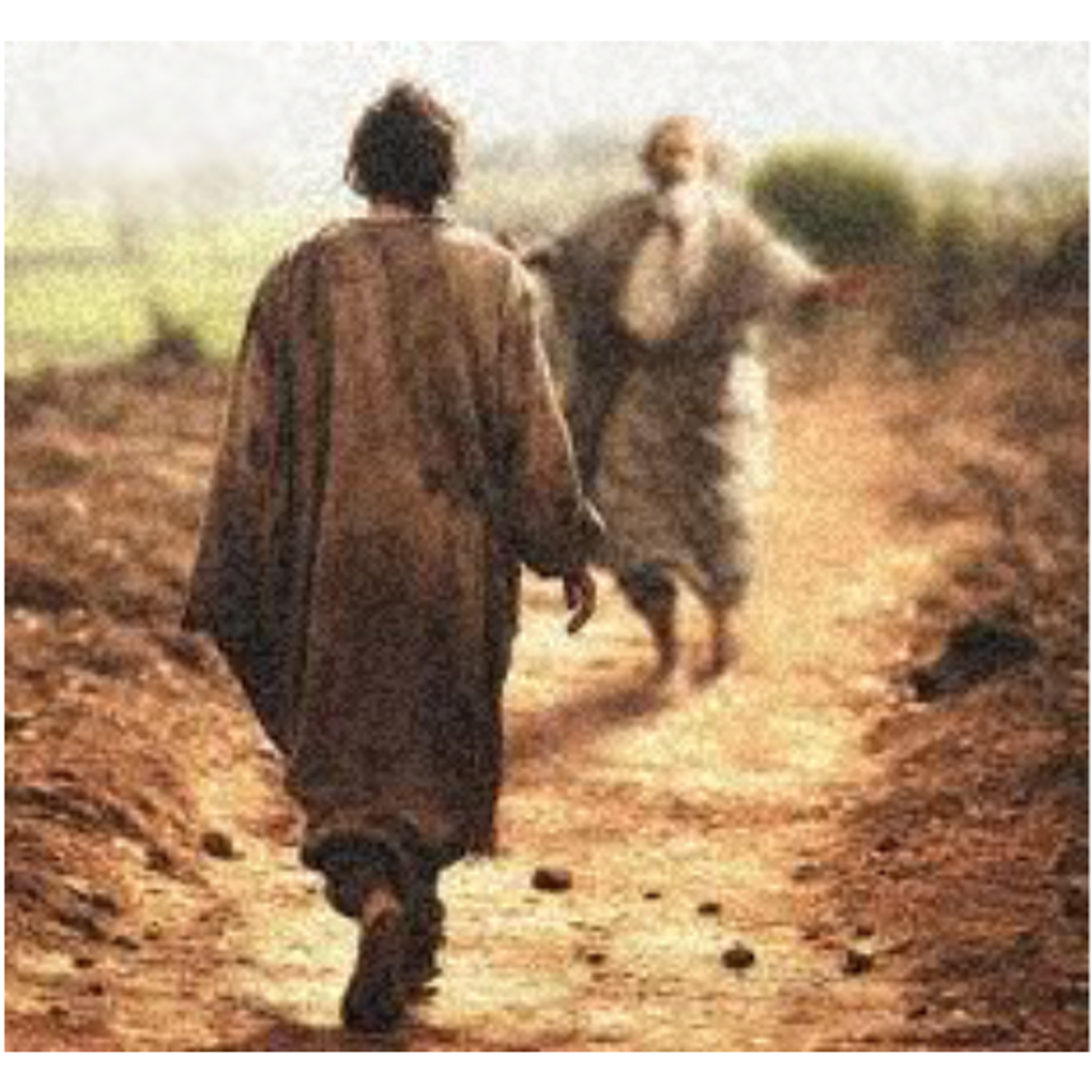
The climax of the story is the reconciliation between the father and the prodigal. The original listeners would have expected the father and the older son to scold him and pour even greater shame upon him. However, to their horror, instead the father runs to him, wraps his arms around him and kisses him. This man had been with sinners, slept with prostitutes, fed and ate with pigs. But the father who longed to reconcile with his son was not bothered in the least. He restored his sonship immediately. Not only that, he threw a huge celebration. This is the shock moment of the parable. No one expected this shameful response by the father.
But that’s exactly what it was. How could the father do this? The listeners would have considered the father to be a bigger fool than even the younger son. And they certainly couldn’t understand that this was actually descriptive of God. Yet, this is a picture of the Gospel and relates to every one of us. This is the heart of God. This is what God is like. Are you far from God? Have you treated Him shamefully? He loves you anyway. And He is ready to receive you and restore you into a right relationship with Him. Repent and believe today!
Comment
Comments