
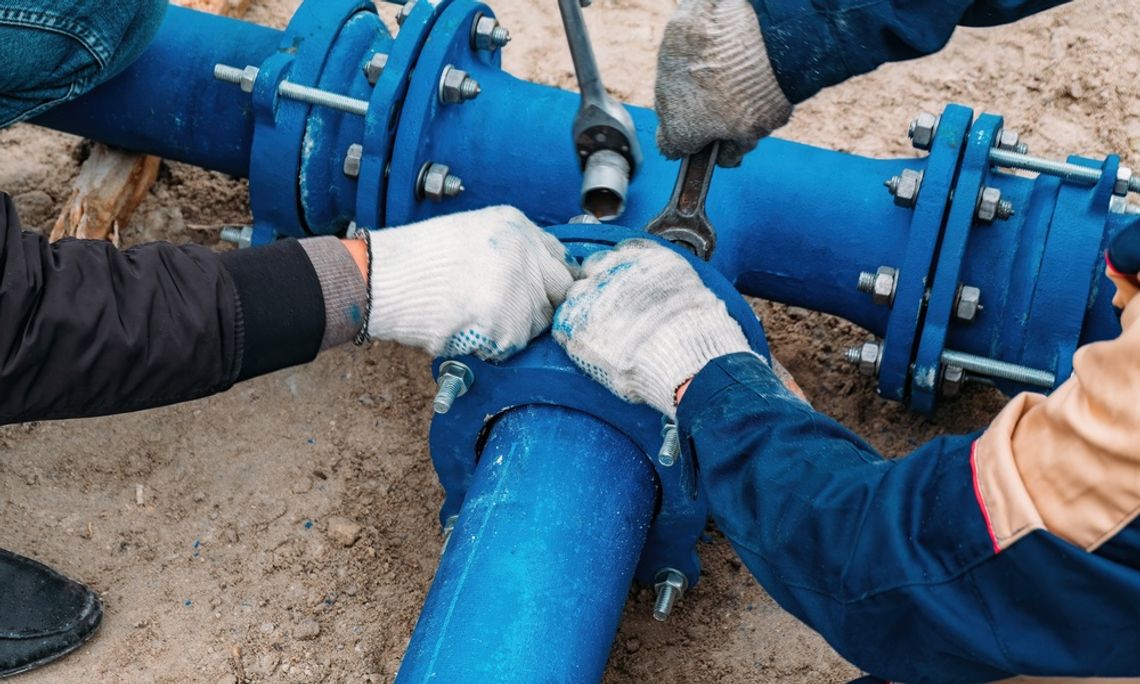
Maintaining an active pipeline is never just another routine job. It is a careful balancing act between keeping operations moving and protecting people, equipment, and the environment.
For professionals, the challenge is not only fixing what needs attention, but doing so while the system is still running, under pressure. To ensure you don’t run into any avoidable issues, you should familiarize yourself with some of the more common risks known to pop up during active pipeline maintenance.
Corrosion and Material Degradation
One of the most common risks in active pipeline maintenance is corrosion. It often develops gradually, hidden beneath coatings, insulation, or inside the line itself. Over time, corrosion can thin pipe walls, weaken joints, and make even a minor maintenance task more dangerous.
In many industrial settings, where pipelines may carry abrasive, hot, or chemically aggressive materials, degradation can accelerate faster than expected. Without regular inspection and monitoring, small defects can become major failures.
Pressure-Related Failures and Product Release
Pressure is one of the biggest variables in any live pipeline operation. If isolation is incomplete or a line isn’t properly controlled, maintenance can quickly turn into a release event. Leaks, bursts, or sudden product discharge can threaten workers, equipment, and nearby areas.
In some situations, crews may use the hot tapping procedure for live pipeline connections. While this is an efficient method, it can become dangerous if not carefully planned and executed. In the wrong conditions, it adds another layer of complexity rather than reducing risk, so you need to be extra careful when implementing it.
Isolation and Lockout Errors
Even experienced teams can run into trouble when rushing isolation procedures or making assumptions. A valve believed to be closed may not fully isolate the section being worked on. A missed lockout step can expose crews to hazardous energy or flowing product.
These errors are especially serious in industrial environments where multiple teams, contractors, and control room personnel may all be involved. Clear communication and strict verification are critical.
Confined Space and Hot Work Hazards
Active pipeline maintenance activities often involve welding, cutting, grinding, or entry into enclosed spaces, all of which introduce different types of risks. That combination can create dangerous conditions fast.
Flammable vapors, oxygen-deficient atmospheres, or poor ventilation can turn a standard repair into a high-risk situation. Hot work near active systems requires constant hazard awareness, proper permits, and reliable atmospheric testing before and during the task.
Human Error and Communication Breakdowns
Many pipeline incidents aren’t the result of equipment failure alone. They begin with miscommunication, incomplete documentation, or decisions made too quickly. When field crews, supervisors, and operators are not aligned, risk increases.
That’s why you need to take the time to ensure that everyone on your team is up to date on the latest regulations and techniques of the job at hand. Failing to do so will lead to issues that were completely avoidable.
Comment
Comments