
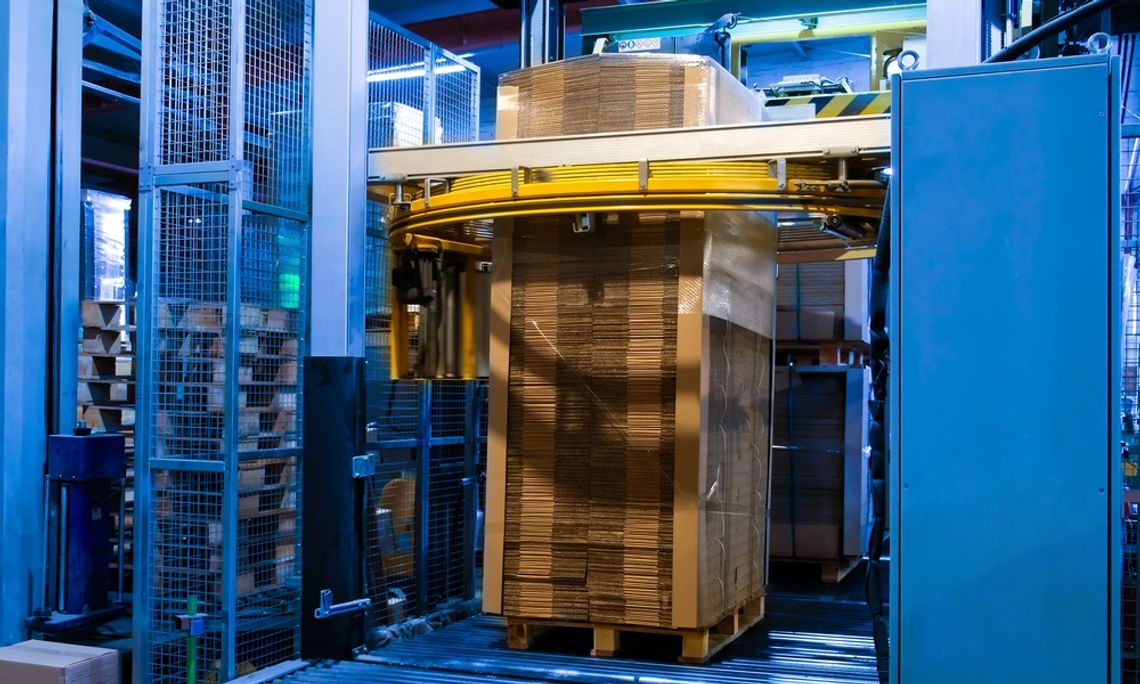
Packaging may seem like the final step in shipping, but it can shape the speed, safety, and cost of the entire operation. For businesses serving Pelahatchie, Mississippi, a packaging line that struggles at the wrapping stage can create delays that ripple through the workday. Below, we’ll list some of the clearest signs your packaging line needs a stretch wrapper.
Manual Wrapping Is Slowing Production
A packaging line should move at a steady pace from packing to palletizing to shipment. When workers must stop and wrap every pallet by hand, that flow breaks down. Products may be ready to go, but the line still stalls at the end.
As volume increases, manual wrapping can turn into a daily bottleneck that eats up labor and delays outgoing orders. If the wrapping stage feels slower than every other part of the process, that is a strong sign the line has outgrown its current method.
Loads Look Inconsistent from One Pallet to the Next
A stable pallet starts with a consistent wrap. Hand wrapping can vary from employee to employee and even from pallet to pallet during the same shift.
One load may be secure, while the next leans, shifts, or exposes corners. That inconsistency can damage goods, make storage unstable, and cause transport problems. A packaging line that wraps loads unevenly may need equipment that applies film with the same pattern and tension each time.
Stretch Film Use Keeps Rising
When a business burns through film faster than they expect, the issue may be inefficiency rather than demand. Hand wrapping can create excess layers, waste material, and cause poor control over tension. That means higher supply costs without better protection.
A business trying to control expenses should pay attention to how much film it uses compared with how well loads hold together. This will also help them choose the right stretch wrapper for their line.
Employees Spending Too Much Energy on Wrapping
Another sign your packaging line needs a stretch wrapper is employee fatigue. Wrapping pallets by hand requires constant walking, bending, pulling, and twisting. That physical strain can wear down employees over time and make the end of the line one of the most demanding parts of the job.
A packaging process should support workers, not drain them with repetitive motion. If employees spend too much time and effort securing loads, a stretch wrapper may help reduce strain while improving consistency at the same time.
Business Growth Is Pressuring the Current Setup
A wrapping process that worked well for a smaller operation may stop working once order volume increases. More shipments, more pallets, and tighter schedules can expose the limits of a manual system. When growth starts to create pileups at the end of the line, the packaging setup needs to keep pace.
Conclusion
In the end, a packaging line should help a business move products safely, efficiently, and with less strain on workers. When wrapping starts to slow production, waste materials, or leave loads unstable, that is a sign the process may need a better solution. For businesses in Pelahatchie and the surrounding area, upgrading to the right stretch wrapping system can support smoother daily operations and help protect every shipment from the warehouse to its destination.
Comment
Comments