
Choosing a waste container might seem like a small decision, but it can affect daily operations in a big way. The right container helps keep a site organized, supports safer handling, and makes disposal more efficient. The wrong one can create slowdowns, take up too much space, or make cleanup harder than it needs to be.
That’s why it helps to think beyond basic size and shape. A waste container should match the material being collected, the pace of the work being done, and the layout of the facility. When those details line up, the entire process feels smoother. Use these tips to help you choose the right waste container.
Start With the Type of Waste
Before picking a container, look closely at what will go into it. Solid debris, scrap metal, packaging waste, and liquid byproducts all place different demands on storage and removal. Some materials are heavy and abrasive, while others are lightweight but bulky. Some need sealed containment, while others only need open-top access for quick disposal.
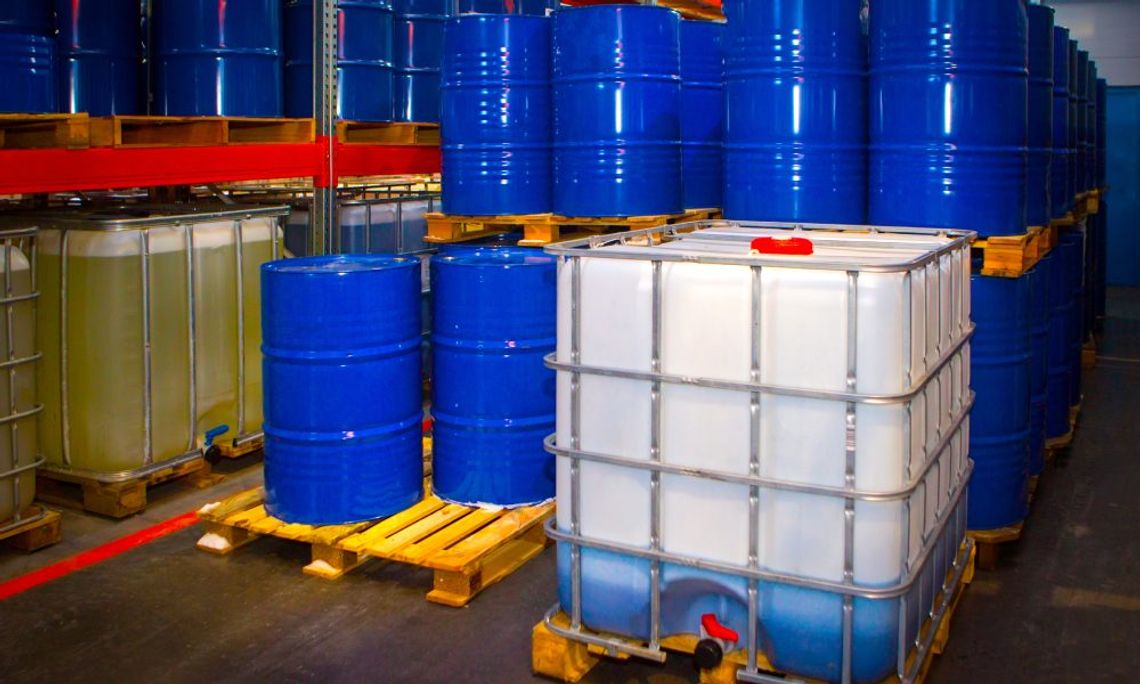
That’s where choosing between different industrial waste containers becomes important. A container that works well for dry cardboard may fail in an area that handles wet waste, sharp scraps, or dense material. Matching the container to the waste type helps prevent leaks, overflow, and unnecessary wear.
Think About Volume and Frequency
Capacity matters, but bigger isn’t always better. A large container can hold more waste, yet it may take up valuable floor space or become too heavy to move safely once full. A smaller option may fit the workspace better, though it could require more frequent emptying.
The best choice depends on how much waste your team produces in a normal day or week. If waste builds up quickly, a higher-capacity container can reduce interruptions. If output stays light or inconsistent, a compact unit may keep the area cleaner and easier to manage. It helps to balance storage needs with practical handling.
Consider Placement and Access
A waste container should fit the space where people use it. If it sits too far from the work area, people may delay disposal or leave material where it doesn’t belong. If it blocks walkways or equipment paths, it creates frustration and safety concerns.
Think about how employees will reach the container and how often they’ll need to use it. Lid style, opening height, wheel access, and pickup clearance all matter. A good container supports the flow of work instead of disrupting it. When placement makes sense, cleanup becomes a more natural part of the routine.
Match Durability to the Job
Not every work environment treats containers gently. Some settings involve sharp edges, heavy loads, rough handling, or outdoor exposure. In those cases, durability matters just as much as capacity. A weak container may crack, warp, or break down faster than expected, which leads to replacement costs and more hassle.
Look at the material, construction quality, and intended use. A container built for light commercial trash may not hold up in an industrial setting. When the job is demanding, stronger construction pays off.
Plan for Long-Term Use
It’s easy to focus on immediate needs, but long-term function matters too. Waste output can change as operations grow, processes shift, or regulations evolve. Choosing a flexible solution now can save time and money later.
The right waste container supports daily cleanup, fits the workspace, and holds up under real conditions. When you choose with purpose, waste handling becomes more efficient, more organized, and much easier to manage.
Comment
Comments