
In industrial and commercial settings, pumps play a critical role in moving fluids efficiently under varying conditions. Among the many types available, plunger pumps stand out for their durability and ability to handle high-pressure applications. This article focuses on understanding the common uses of plunger pumps, explaining how they function and where they deliver the most value. Their precise operation and robust construction make them a reliable solution in environments where consistency and strength matter.
How Plunger Pumps Work
Plunger pumps operate using a reciprocating motion that pushes fluid through a cylinder with a solid plunger. Unlike other pump designs, they create high pressure by reducing the volume inside the chamber as the plunger moves forward. This mechanism allows them to maintain steady flow rates even under demanding conditions. Operators often rely on these pumps when they need controlled delivery of liquids, especially in systems that require accuracy and force rather than sheer volume.
Industrial Cleaning Applications
One of the most recognizable uses of plunger pumps appears in industrial cleaning systems. High-pressure washers depend on them to remove dirt, grease, and debris from surfaces that require deep cleaning. The pump’s ability to generate intense pressure ensures that even stubborn residues break down quickly. Facilities such as manufacturing plants and transportation hubs benefit from this capability because it reduces cleaning time while maintaining effectiveness. The consistent output also supports repetitive tasks without sacrificing performance.
Oil and Gas Operations
Plunger pumps play a vital role in oil and gas environments where equipment must perform under extreme pressure. They assist in tasks like injecting fluids into wells and transferring chemicals during extraction processes. Their rugged design helps them withstand harsh conditions, including abrasive materials and fluctuating temperatures. Engineers choose these pumps because they provide reliability when downtime can lead to costly delays. Their precision also supports operations that demand controlled fluid movement.
Water Treatment and Processing
Water treatment facilities use plunger pumps to handle chemical dosing and filtration processes. These pumps deliver exact amounts of treatment chemicals into water systems, helping maintain safe and clean supplies. Their ability to handle corrosive substances makes them especially valuable in this field. In addition, high-performance coatings for plunger pumps extend their lifespan by protecting internal components from wear. This added durability ensures consistent operation in systems that run continuously.
Agricultural and Irrigation Uses
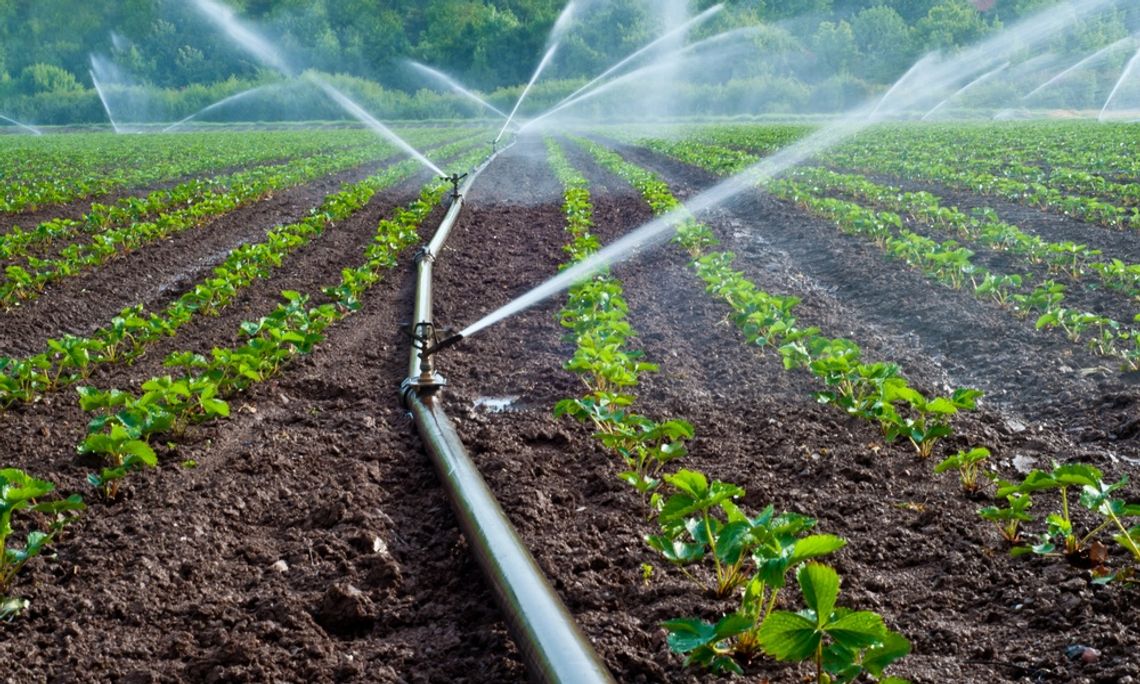
Agriculture benefits from plunger pumps in irrigation and spraying systems. Farmers rely on them to distribute water and fertilizers evenly across large areas. Their strong pressure output ensures that liquids reach distant sections of fields without losing effectiveness. This capability supports efficient resource use and helps maintain crop health. The dependable performance of these pumps allows agricultural operations to run smoothly during critical growing periods.
Why Plunger Pumps Remain Essential
When evaluating fluid handling solutions, understanding the common uses of plunger pumps reveals why they continue to serve so many industries. Their ability to deliver precise, high-pressure performance makes them indispensable in applications that demand reliability and strength. As industries evolve, these pumps remain a trusted choice for tasks that require both durability and consistent output.
Comment
Comments