
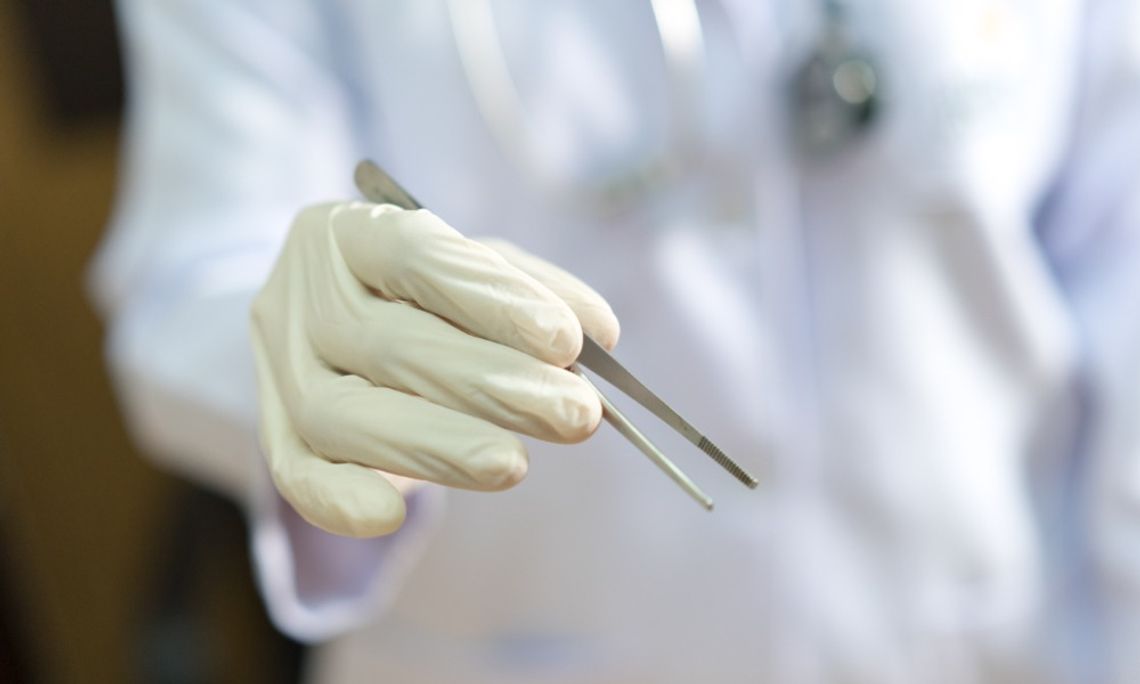
Medical professionals rely on precision instruments to handle delicate tasks during examinations and procedures. Understanding what you need to know about thumb forceps can help you select the right tool, improve patient care, and extend the lifespan of surgical equipment. Thumb forceps resemble tweezers and allow users to grasp tissue, dressings, or small objects with controlled pressure. They come in different sizes and designs that support specific medical applications.
Common Uses for Thumb Forceps
Thumb forceps assist medical staff in many clinical settings. Surgeons often use them to hold tissue during suturing or wound care. Nurses may use them when changing dressings or removing small debris from a wound. Dentists also depend on thumb forceps to handle cotton rolls or delicate materials during procedures.
Some forceps feature smooth tips that reduce tissue damage, while others include serrated edges for a firmer grip. The choice depends on the procedure and the level of control required. Using the wrong design may affect accuracy and patient comfort.
Choosing the Right Thumb Forceps
Healthcare providers should evaluate material quality, tip design, and grip comfort before selecting thumb forceps. Stainless steel remains a popular option because it resists corrosion and handles repeated sterilization well. Lightweight designs may reduce hand fatigue during long procedures.
Tip shape also plays an important role. Fine tips help with detailed work in smaller treatment areas, while broader tips offer more control when handling dressings or thicker tissue. A secure grip helps practitioners maintain steady hand movement during treatment.
Care and Maintenance
Proper cleaning protects both patients and equipment. Medical teams should inspect thumb forceps after every use to check for bending, dull edges, or alignment issues. Damaged instruments may lose precision and compromise performance during procedures.
Properly storing and maintaining thumb forceps helps preserve their condition over time. Staff should keep instruments in clean, dry environments to prevent unnecessary wear. Following sterilization guidelines also supports safety and ensures compliance with healthcare standards.
Why Thumb Forceps Matter in Medical Care
Precision tools support successful treatment across many healthcare environments, and thumb forceps remain one of the most widely used instruments in clinical practice. Learning what you need to know about thumb forceps allows you to improve handling accuracy, maintain equipment quality, and support better patient outcomes.
Comment
Comments