
Environmental cleanup can look simple from the outside, but once you get into it, the chemicals used in environmental cleanup start to tell a much more detailed story.
From treating polluted water to managing oil spills, these substances play a key role in keeping communities, including places like Pelahatchie, safe.
Here are five facts about chemicals used in environmental cleanup.
They Help Break Down Harmful Substances
Cleanup crews often rely on chemicals to break down pollutants into less harmful forms. Certain compounds react with contaminants in soil or water, altering their structure.
This process helps reduce risk and keeps pollution from spreading further. It also allows crews to treat areas without removing large amounts of soil.
Different Problems Need Different Solutions
Not all contamination looks the same, and neither do the chemicals used to treat it.
Professionals look at several factors before choosing a method, including the type of pollutant and local conditions. What works in water may not work in soil. Temperature and acidity can also affect how well a treatment works.
That’s why testing always comes first.
Oil Spills Require Specialized Treatment
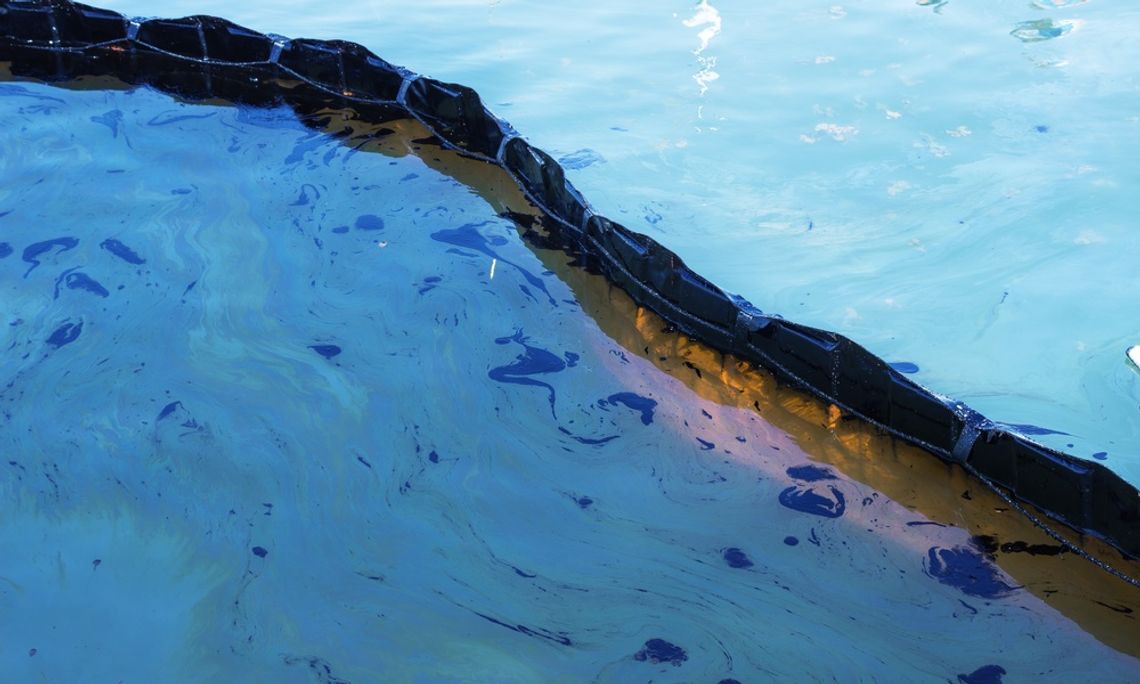
Oil behaves differently from many other pollutants, especially in water. Crews often use dispersants and surfactants to break it into smaller droplets.
Using the right surfactant for oil spill cleanup helps disperse the oil, allowing natural processes to break it down more easily.
Safety Standards Guide Every Step
Strict regulations control which chemicals can be used and how crews apply them. Agencies like the Environmental Protection Agency set guidelines to protect both people and wildlife. Teams monitor air, soil, and water throughout the cleanup process. This helps ensure that treatments solve the problem without creating new ones.
For communities like Pelahatchie, where local land and water matter, these safeguards play an important role.
Cleanup Often Combines Several Methods
Chemical treatment usually works alongside other techniques. Crews rarely rely on one solution alone.
Common Supporting Methods
- Removing contaminated soil
- Using microbes to break down pollutants
- Filtering water through treatment systems
Each method supports the others, leading to more effective results.
Why It Matters Close to Home
Cleanup efforts aren't limited to large cities or coastlines; smaller communities can also encounter problems from runoff, spills, or nearby industry. Knowing how the chemicals used in environmental cleanup work helps residents understand how land and water are protected. In places like Pelahatchie, this awareness promotes safer environments and better decision-making.
Comment
Comments