
Businesses around Pelahatchie rely on equipment that needs to work hard through long days, tight timelines, and changing job demands. When a machine needs a replacement component or a modified part, the wrong order can slow work and quickly raise costs.
That’s why it helps to walk through the right questions to ask before purchasing custom equipment parts, before sending specs, approving drawings, or placing an order.
Start With the Job the Part Needs to Do
The first question should focus on function. What does the part need to handle during daily use? A part that supports weight, resists chemicals, or runs near heat will need different planning than a simple cover or guard.
Buyers should clearly describe the work environment. Dust, moisture, vibration, and outdoor exposure can all affect material choice. A supplier can make better recommendations when they understand how the part will perform after installation.
Match the Material to the Setting
Material choice shapes durability, maintenance, and cost. Metal may suit some applications, while plastic can work better when the part needs corrosion resistance or a lighter weight.
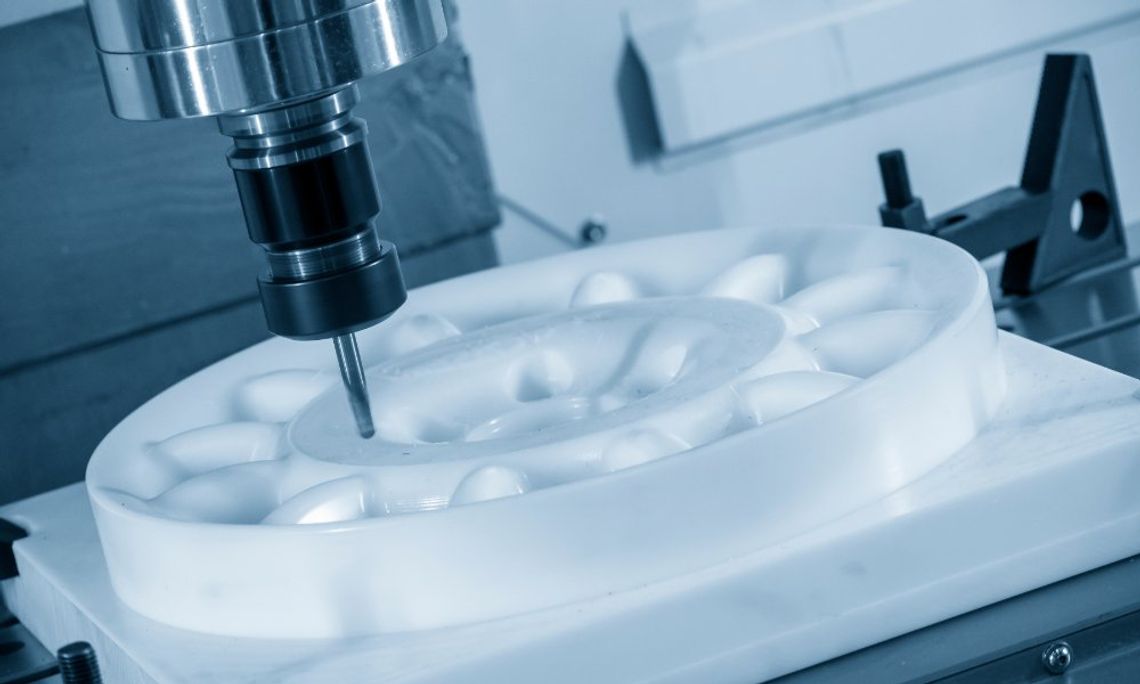
Local businesses that operate near water, chemicals, or frequent washdowns should pay close attention here. A strong supplier won’t push one material without asking how the part will wear over time. When plastic makes sense, working with a knowledgeable plastic fabrication partner can help buyers review material behavior, fabrication methods, and project support before production begins.
Confirm Measurements Before Production
Custom work depends on accurate measurements. Even a small mismatch can create trouble during installation, especially when the part connects to existing equipment.
Details Worth Checking Twice
- Hole placement and spacing
- Overall length and width
- Thickness or wall size
- Mounting points
- Clearance around moving components
A drawing, sample part, or clear photo can help the supplier confirm the details. Buyers should also explain any past failure points, since the new part may need a design adjustment rather than a simple copy.
Ask About Timeline and Communication
A custom part doesn’t always follow the same timeline as an off-the-shelf order. Design review, material sourcing, fabrication, and shipping can all affect delivery.
Buyers should ask how the supplier handles updates. A clear point of contact helps prevent confusion if the project changes. Small businesses and maintenance teams can plan more effectively when they know when to expect drawings, approvals, and deliveries.
Review Support After the Order
The relationship shouldn’t end when the partners part ways. Buyers may need help with fit questions, repeat orders, or small changes after they test the part in real conditions.
A reliable supplier should keep project records and explain how future orders would work. That matters for businesses that may need the same part again during a busy season or after normal wear.
Better Questions Create Better Parts
Custom parts work best when buyers slow down before placing the order and clarify the job, material, measurements, timeline, and support. The best questions to ask before buying custom equipment components help reduce guesswork and give the supplier a clearer path toward a part that fits the equipment and the work it performs.
Comment
Comments