
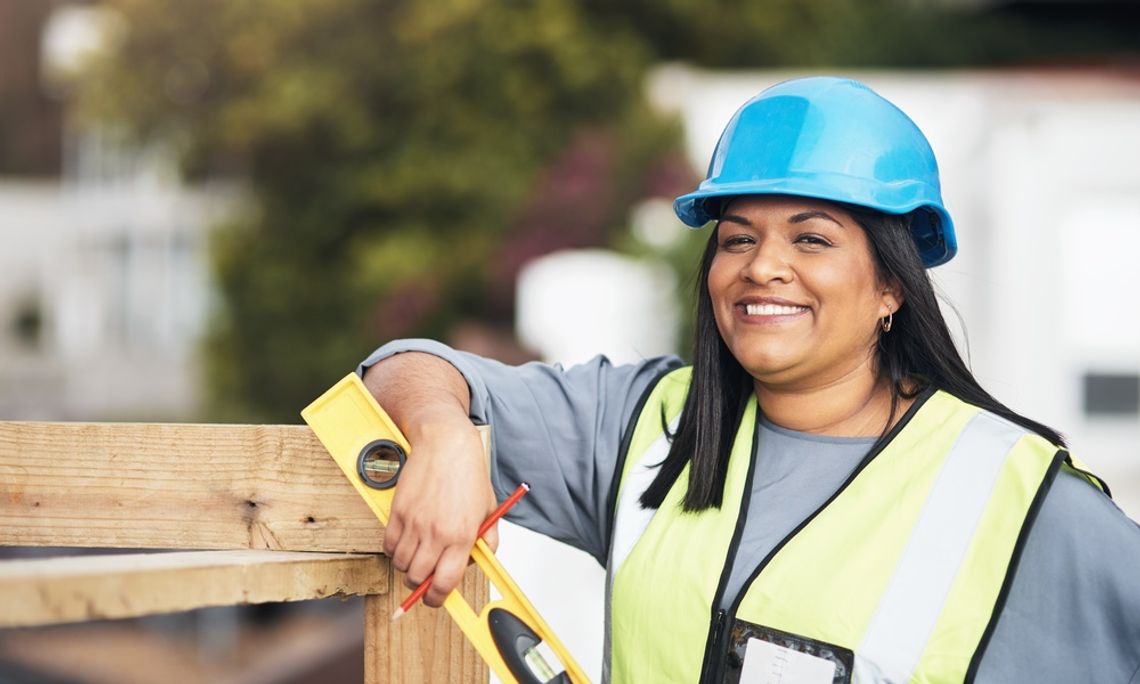
Construction sites move fast, stay loud, and create constant pressure. Workers often focus on deadlines, heavy equipment, and changing schedules while they overlook basic safety habits. Small mistakes can trigger serious injuries, expensive delays, and major legal problems. Smart crews pay attention to everyday actions because simple choices usually prevent dangerous accidents. Construction workers who build strong routines, communicate clearly, and stay alert protect themselves and everyone nearby.
Skipping Protective Gear
Many workers leave hard hats, gloves, safety glasses, or harnesses inside trucks because they feel uncomfortable or inconvenient. That decision creates unnecessary risk within seconds. Falling debris, exposed wiring, sharp tools, and slippery surfaces threaten workers every day. Proper gear reduces injuries and helps crews stay productive.
Workers should always check equipment before every shift. Torn gloves, damaged helmets, and loose harness straps create problems during dangerous tasks. Supervisors should also encourage accountability across the entire crew.
Common protective equipment includes:
- Hard hats for falling objects
- Safety glasses for dust and flying debris
- Steel toe boots for heavy materials
- Harnesses for elevated work
- Gloves for sharp tools and rough surfaces
Ignoring Communication on Site
Construction projects involve many teams working together at the same time. Electricians, roofers, plumbers, and machine operators often share crowded spaces. Poor communication creates confusion that quickly leads to accidents.
Workers should announce equipment movement, blocked pathways, and active hazards throughout the day. Team leaders should hold short meetings before shifts and after major schedule changes. Crews that communicate clearly usually avoid preventable injuries.
Phone distractions also create safety problems. Workers who text while walking through active work zones miss warning signs, moving vehicles, and unstable surfaces. Attention matters on busy construction sites.
Handling Materials Carelessly
Many injuries happen because workers rush through lifting, carrying, or storing materials. Poor lifting techniques strain backs, shoulders, and knees. Loose materials also create trip hazards across walkways and scaffolding.
Workers should bend their knees, lift with control, and ask for help with oversized loads. Forklift operators should secure materials correctly before transport. Crews should also keep pathways clean during every stage of construction.
Some workers also underestimate the dangers connected to hazardous materials. Paint chemicals, insulation particles, fuel containers, and cleaning agents can damage lungs and skin after repeated exposure. Workers should follow storage rules, wear protective equipment, and review safety labels before handling unfamiliar products.
Taking Shortcuts Around Equipment
Heavy machinery speeds up construction projects, but careless operation creates serious danger. Workers sometimes bypass safety procedures because they want faster results. That habit increases the chance of crushing injuries, falls, and equipment collisions.
Machine operators should inspect equipment before every shift and report mechanical issues immediately. Spotters should guide vehicles through tight areas and crowded spaces. Workers should never stand near suspended loads or moving equipment without clear communication.
Keeping Safe at Work
Construction safety depends on daily discipline, strong teamwork, and consistent attention. Workers who respect safety rules protect their coworkers, avoid serious injuries, and keep projects running smoothly from start to finish.
Companies that reward safe behavior often build stronger crews over time. Regular training sessions, honest conversations, and quick responses to unsafe actions help workers stay focused during stressful projects. When everyone treats safety like a daily responsibility construction sites become organized efficient and dependable.
Comment
Comments