
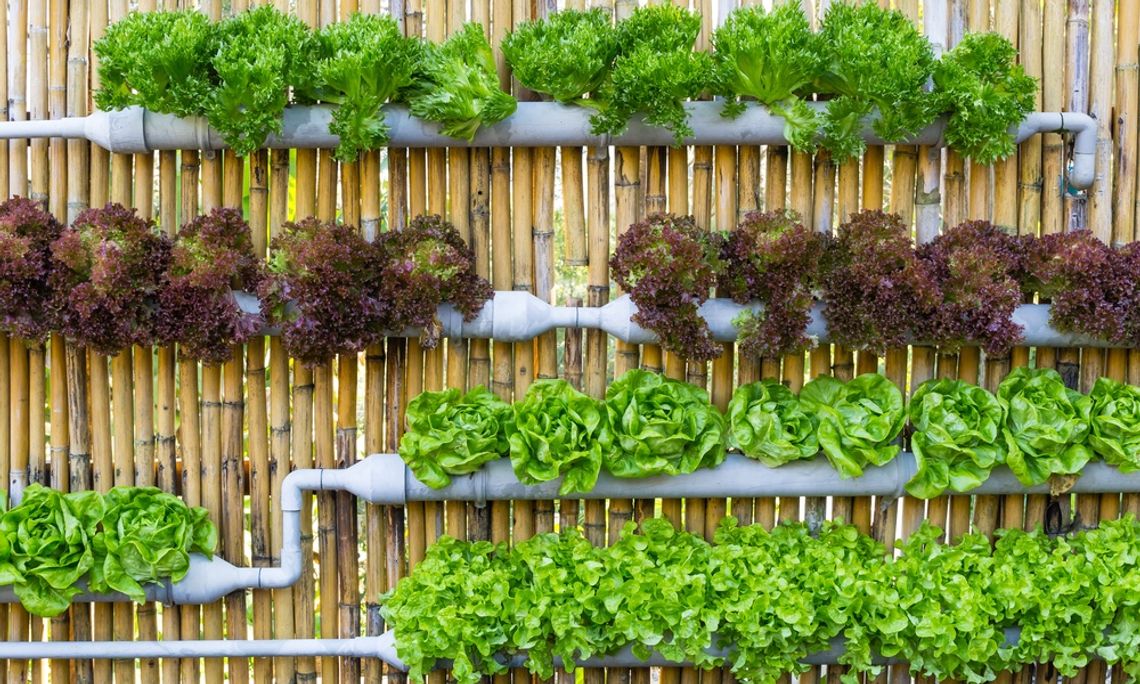
Vertical gardens bring greenery into compact spaces while adding texture and natural beauty to homes or commercial properties. Homeowners and business owners often choose these systems to improve visual appeal and support healthier growing conditions in limited areas. Understanding the essential considerations for vertical gardens helps gardeners create a structure that supports plant health and long-term maintenance without unnecessary complications.
Choosing the Right Location
Location affects every aspect of a vertical garden’s performance. Most plants require consistent sunlight, so gardeners should evaluate natural light patterns before installing a structure. Indoor gardens may need supplemental lighting if windows do not provide enough exposure. Outdoor systems also need protection from strong winds that can dry soil quickly and damage delicate foliage.
Wall strength also matters during installation. Vertical gardens become heavy after watering, especially when they contain dense soil or mature plants. Secure mounting prevents shifting and protects nearby surfaces from damage over time.
Selecting Suitable Plants
Plant selection determines how easy the garden will be to maintain. Some species thrive in shallow root systems while others need more space to spread. Ferns, herbs, and trailing vines often adapt well to vertical arrangements because they tolerate compact growing conditions.
Climate should guide every planting decision. Heat-sensitive plants struggle on walls that receive direct afternoon sun, while moisture-loving varieties perform better in shaded areas. Choosing compatible plants also improves growth consistency and reduces maintenance demands. Many gardeners appreciate the benefits of vertical farming because these systems support efficient food production in smaller environments.
Managing Water and Drainage
Water control remains one of the most important parts of vertical gardening. Plants positioned near the top often dry out faster than those near the bottom, which creates uneven moisture levels. Drip irrigation systems help distribute water evenly while reducing waste.
Drainage also protects plant roots from rot. Excess moisture trapped inside containers can weaken plants and damage supporting walls. Gardeners should use breathable growing materials and install collection trays when necessary. Regular inspections help identify leaks before they become serious problems.
Maintaining Long-Term Growth
Vertical gardens require routine care throughout the year. Pruning keeps plants healthy while preventing overcrowding that blocks airflow. Fertilizing on a consistent schedule also supports steady growth because nutrients wash out more quickly in compact planting systems.
Pest management deserves close attention as well. Insects spread rapidly in tightly planted spaces, particularly indoors. Early treatment protects nearby plants and preserves the appearance of the garden.
Creating a Sustainable Vertical Garden
Successful vertical gardens depend on thoughtful planning, proper maintenance, and careful plant selection. By understanding the essential considerations for vertical gardens, property owners can create attractive growing systems that remain healthy, functional, and visually appealing throughout the seasons.
Comment
Comments