
If you’re thinking about putting up a commercial metal building in a humid climate, you’ve probably got some concerns. Rust, condensation, mold—these aren’t things you want anywhere near a structure you’re investing serious money into. The good news is that metal buildings absolutely work in humid environments. You just need to go in with the right expectations and plan.
Condensation Is the Biggest Challenge
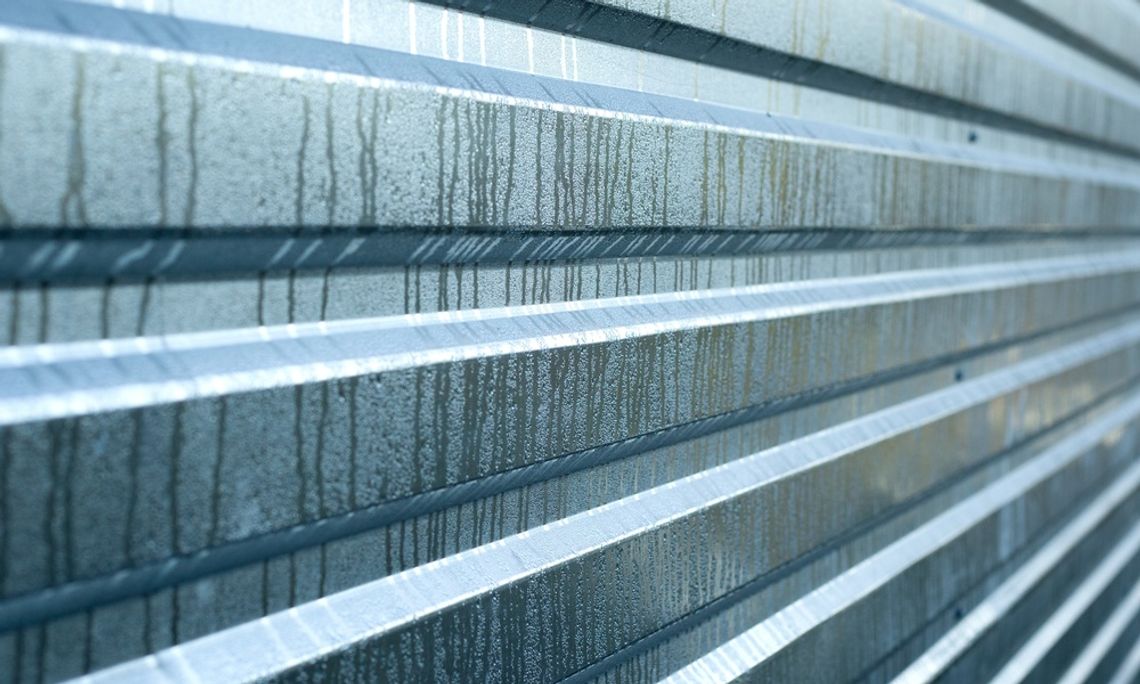
Humidity is moisture in the air, and moisture causes condensation on metal surfaces. When warm, humid air hits cooler metal, you get water buildup inside your building. Eventually, that can lead to rust, corrosion, and mold growth on insulation or stored materials.
The fix is proper insulation and vapor barriers. A well-insulated building keeps the interior temperature stable, which reduces the temperature differential that causes condensation. Don’t cut corners here.
Rust and Corrosion Are Manageable
Steel rusts when it’s exposed to moisture and oxygen. That’s just chemistry. But modern commercial metal buildings use galvanized or Galvalume-coated steel, which puts a protective zinc or aluminum-zinc layer between your structure and the elements.
Just make sure you maintain the coating and keep an eye on exposed fasteners, cut edges, and any areas where the coating gets scratched during construction. Touch those up right away.
Ventilation Makes a Measurable Impact
Stagnant, humid air trapped inside a metal building accelerates corrosion and encourages mold. Conversely, a proper ventilation system keeps air moving, removes moisture, and protects everything inside.
Ridge vents, louvers, and exhaust fans are all worth considering, depending on how you’ll use the space. Your building supplier can help you spec the right system for your square footage and climate zone.
Routine Maintenance Is Nonnegotiable
No matter how good your materials are, a humid climate will expose any weak point in your building over time. That means to properly maintain your commercial metal building, you need a regular inspection and maintenance routine, and you need to stick to it. This routine should include checking the seals, fasteners, drainage, and roof surface at least twice a year. Catching small issues early keeps them from turning into expensive repairs.
The Bottom Line on Humidity
Metal buildings can absolutely be fit for humid climates, so long as you prepare for the challenging environment. Pair the right materials with proper insulation, ventilation, and maintenance, and your building should hold up for decades.
Comment
Comments