
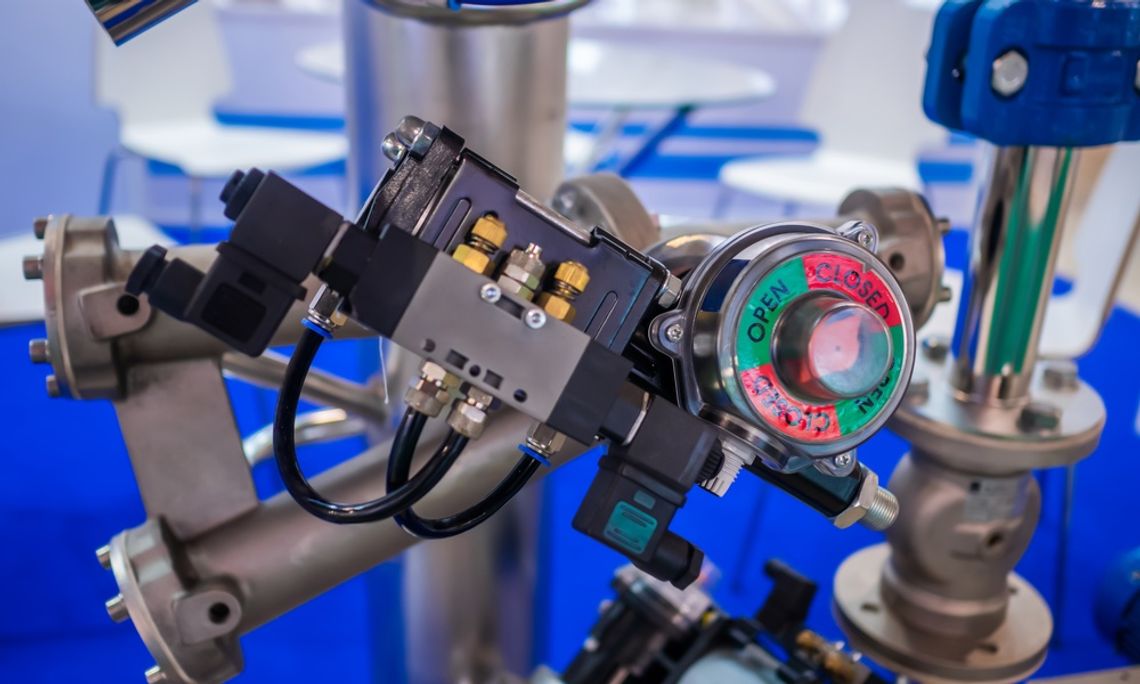
When a pressure system stops responding, operators often blame the pump before they inspect the valve controlling flow. Solenoid valves work hard in farm irrigation and shop equipment around Pelahatchie. Under pressure, a small mismatch can turn into leakage or a stuck valve. Below, we explain the common causes of solenoid valve failure under pressure.
Pressure Ratings Create the First Test
Each solenoid valve has a pressure limit that should match the way the system runs. When the system exceeds that capacity, the valve may hesitate to open or struggle to seal after closing. Weak flow can appear first, while continued strain can damage internal parts enough to cause leakage.
Knowing the actual pressure demand of the system one of the most important considerations when picking a high-pressure solenoid valve. A safe choice allows room for normal operating pressure as well as short surges that happen during startup or shutdown. When the valve matches the job rather than barely meeting the requirement, it delivers steadier control and holds up better under repeated use.
Debris Can Block a Clean Seal
Pressurized water can carry grit into the valve body, especially when older pipe releases scale into the line. Once that material reaches the valve seat, the valve may no longer close tightly. Pressure can then force fluid through the opening, making the problem appear to be a seal failure even when the valve still moves.
A simple maintenance plan can reduce that risk. A properly placed filter catches debris before it reaches the valve, while flushing the line after repairs clears loose material before pressure returns. That extra care protects the valve seat and helps operators find a small blockage before it becomes a larger leak.
Heat and Voltage Strain the Coil
A solenoid coil depends on steady power. When the voltage drifts too far from the required range, the coil can heat faster than the housing can release it. Warm work areas make the problem worse, especially when the valve cycles often. Over time, the coil loses reliability, and the valve may respond slowly.
Operators should check the power supply before they replace the valve. A wiring issue can ruin a new part, so replacement alone may not solve the failure. Ventilation also deserves attention. When air can circulate around the housing, the coil is more likely to stay within a safe operating temperature range.
Seal Damage Changes Valve Performance
Seals need material that can hold its shape under the system’s pressure. When the seal does not suit the fluid, pressure can force the material to swell into the valve’s moving space. In other cases, the seal hardens over time and loses the flexibility needed for a tight close against the valve seat.
Understanding common causes of solenoid valve failure under pressure helps operators look beyond the coil when performance changes. A valve that chatters, seeps after shutoff, or responds slowly may have seal damage rather than an electrical problem. Regular inspection helps Pelahatchie property owners catch that wear early, choose the right replacement material, and keep pressure systems dependable.
When a pressure system stops responding, operators often blame the pump before they inspect the valve controlling flow. Solenoid valves work hard in farm irrigation and shop equipment around Pelahatchie. Under pressure, a small mismatch can turn into leakage or a stuck valve. Below, we explain the common causes of solenoid valve failure under pressure.
Pressure Ratings Create the First Test
Each solenoid valve has a pressure limit that should match the way the system runs. When the system exceeds that capacity, the valve may hesitate to open or struggle to seal after closing. Weak flow can appear first, while continued strain can damage internal parts enough to cause leakage.
Knowing the actual pressure demand of the system one of the most important considerations when picking a high-pressure solenoid valve. A safe choice allows room for normal operating pressure as well as short surges that happen during startup or shutdown. When the valve matches the job rather than barely meeting the requirement, it delivers steadier control and holds up better under repeated use.
Debris Can Block a Clean Seal
Pressurized water can carry grit into the valve body, especially when older pipe releases scale into the line. Once that material reaches the valve seat, the valve may no longer close tightly. Pressure can then force fluid through the opening, making the problem appear to be a seal failure even when the valve still moves.
A simple maintenance plan can reduce that risk. A properly placed filter catches debris before it reaches the valve, while flushing the line after repairs clears loose material before pressure returns. That extra care protects the valve seat and helps operators find a small blockage before it becomes a larger leak.
Heat and Voltage Strain the Coil
A solenoid coil depends on steady power. When the voltage drifts too far from the required range, the coil can heat faster than the housing can release it. Warm work areas make the problem worse, especially when the valve cycles often. Over time, the coil loses reliability, and the valve may respond slowly.
Operators should check the power supply before they replace the valve. A wiring issue can ruin a new part, so replacement alone may not solve the failure. Ventilation also deserves attention. When air can circulate around the housing, the coil is more likely to stay within a safe operating temperature range.
Seal Damage Changes Valve Performance
Seals need material that can hold its shape under the system’s pressure. When the seal does not suit the fluid, pressure can force the material to swell into the valve’s moving space. In other cases, the seal hardens over time and loses the flexibility needed for a tight close against the valve seat.
Understanding common causes of solenoid valve failure under pressure helps operators look beyond the coil when performance changes. A valve that chatters, seeps after shutoff, or responds slowly may have seal damage rather than an electrical problem. Regular inspection helps Pelahatchie property owners catch that wear early, choose the right replacement material, and keep pressure systems dependable.
Comment
Comments