
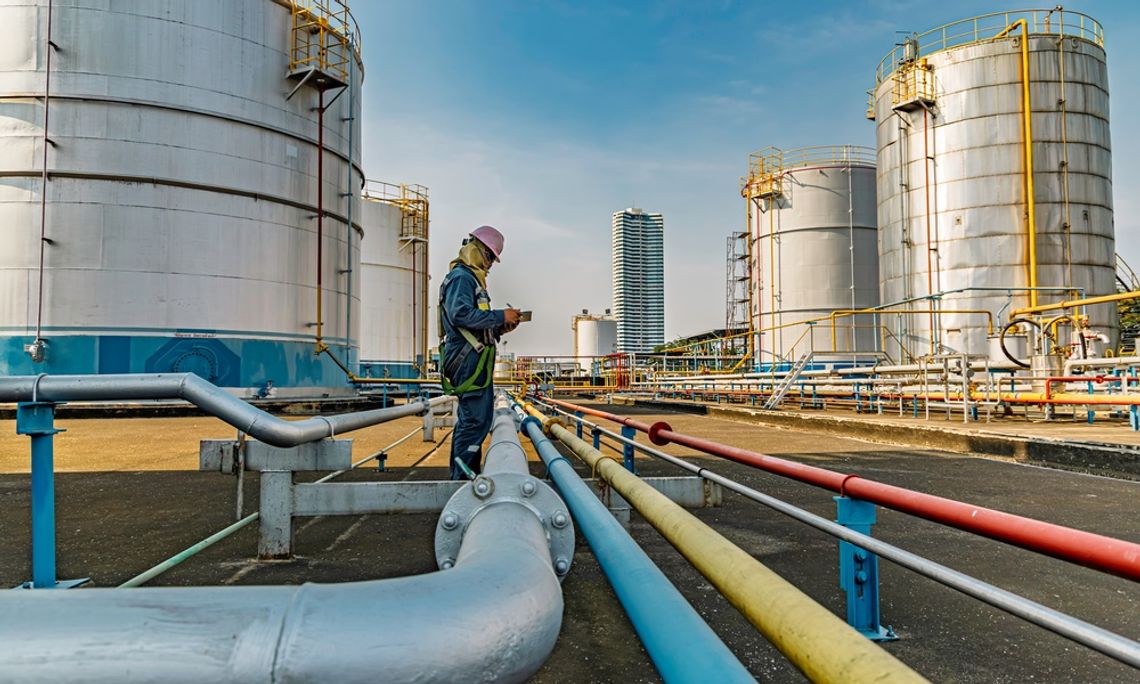
Industrial tanks play a quiet but important role in many facilities. They store water, chemicals, waste products, food ingredients, and other materials that keep daily operations moving.
When a tank starts showing age, business owners face a practical choice: to repair, retrofit, or replace an industrial tank. The right decision depends on condition and how the tank supports the operation.
Start With the Tank’s Current Condition
A routine inspection gives the clearest starting point. Look for corrosion, leaks, cracks, bulging, weak seams, and damage near fittings.
Minor surface wear may not require major work. Deep corrosion or repeated leaks may point to a larger problem that simple maintenance will not solve.
Good records also help. Inspection reports, repair logs, and cleaning notes can show whether problems keep coming back.
When Repair Makes Sense
Industrial tank repair works best when the damage stays limited. A small crack, loose fitting, or isolated worn area may need a targeted fix. Repair can also make sense when the tank still meets safety standards. The tank should also have enough remaining service life to justify the cost.
Common repair situations include:
- Small leaks in one area
- Minor fitting damage
- Localized corrosion
- Seal or gasket failure
- Damage from recent maintenance
A repair should not cover up a bigger issue. If the same problem returns often, the tank may need a broader solution.
When Retrofitting Is the Better Option
A retrofit can extend tank life without full replacement. This option may work when the tank shell remains sound but the interior needs better protection.
Some owners consider retrofitting older tanks with new lining when stored materials have changed. A new liner may help the tank handle chemicals, water, or waste more safely.
Retrofitting can also reduce downtime compared with replacement. That matters for businesses that cannot stop production for long.
When Replacement Becomes Necessary
Replacement makes sense when the tank no longer supports safe use. Severe corrosion, structural weakness, repeated leaks, or outdated design can make repair costs pile up.
A new tank may also fit better when capacity needs have changed. Business growth can turn an older tank into a bottleneck. Replacement my cost more upfront, but it can reduce risk and future maintenance costs over time.
Compare Cost With Risk
Price should not drive the decision alone. A cheap repair can become expensive if it fails during a busy season.
On the other hand, industrial tank repair may save money when the tank has strong structure and limited damage. Replacement may save money when failure would create major cleanup or shutdown costs.
Get a Professional Assessment
A qualified tank inspector can help sort facts from guesswork. The assessment should include the tank material, age, contents, location, and operating conditions.
The final choice between repairing, retrofitting, and replacing your industrial tank should balance short-term cost with long-term reliability. A smart plan keeps the business running while protecting workers, property, and the surrounding area.
Comment
Comments