
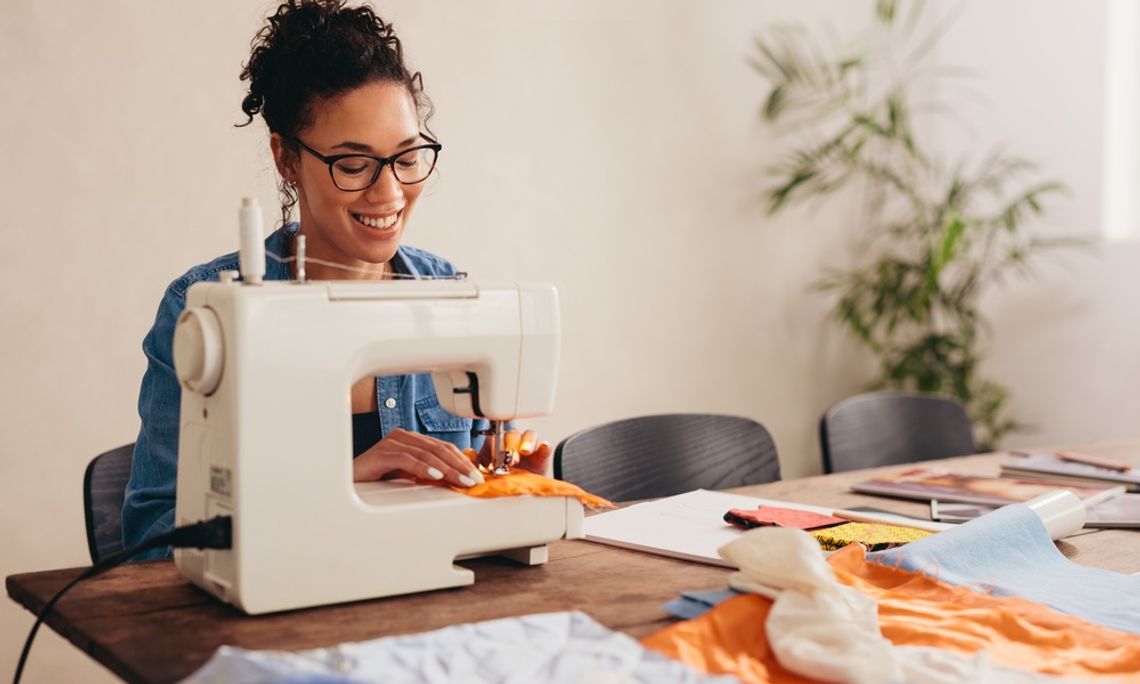
Modern life often feels busy and distracting, which makes it important to find activities that help you slow down and focus. Sewing offers a simple way to spend time away from screens while creating something useful with your own hands. As you concentrate on stitching, measuring, and assembling fabric, your mind stays engaged in the present moment. Whether you want a creative outlet or a relaxing routine, sewing can become a rewarding mindful hobby.
Why Sewing Supports Mindfulness
Mindfulness involves paying attention to the present without worrying about the past or future. Sewing naturally encourages this mindset because each step requires focus and attention to detail.
When you sew, you follow patterns, cut fabric carefully, and guide material through the machine. These repetitive actions help quiet mental clutter and keep your thoughts centered on the task at hand. Many people find that sewing reduces stress and creates a sense of accomplishment at the end of each session.
Unlike hobbies that involve constant notifications or interruptions, sewing gives you a chance to slow down and work at your own pace.
Create a Comfortable Sewing Space
Your environment plays an important role in helping you stay relaxed and focused. Set up a sewing area that feels comfortable and organized.
Consider including:
- A sturdy table with enough workspace
- Good lighting to reduce eye strain
- Storage containers for tools and supplies
- A comfortable chair that supports good posture
- Easy access to fabric, thread, and scissors
An organized space helps you spend more time sewing and less time searching for materials.
Start Small and Build Confidence
Many beginners feel tempted to tackle complex projects right away. However, starting with simple tasks often leads to a more enjoyable experience.
Choose beginner sewing projects that allow you to practice basic skills without feeling overwhelmed. Simple pillow covers, tote bags, fabric coasters, or drawstring pouches offer excellent opportunities to learn stitching techniques and machine operation.
Each completed project builds confidence and encourages you to continue learning. Small successes often create the motivation needed to develop a lasting hobby.
Focus on the Process, Not Perfection
One of the biggest obstacles to mindfulness is the pressure to achieve perfect results. Sewing becomes much more enjoyable when you focus on the experience rather than every minor mistake.
A crooked stitch or uneven seam does not ruin a project. Instead, treat mistakes as part of the learning process. Every experienced sewer started as a beginner and improved through practice.
Pay attention to the rhythm of sewing, the texture of the fabric, and the satisfaction of making steady progress. These moments help transform sewing into a calming activity rather than a stressful challenge.
Make Sewing Part of Your Routine
Consistency helps any hobby become a meaningful part of daily life. You do not need hours of free time to enjoy sewing. Even 20 to 30 minutes a few times each week can make a difference.
Schedule sewing sessions when you feel most relaxed. Some people enjoy sewing in the evening after work, while others prefer weekend mornings. Regular practice strengthens your skills and gives you a dependable way to unwind.
Enjoy the Long-Term Benefits
Sewing offers more than finished projects. It encourages patience, concentration, creativity, and mindfulness. Over time, you develop valuable skills while creating handmade items you can use, wear, or share with others.
By starting small, staying patient, and embracing the process, you can turn sewing into a mindful hobby that supports both relaxation and personal growth.
Comment
Comments