
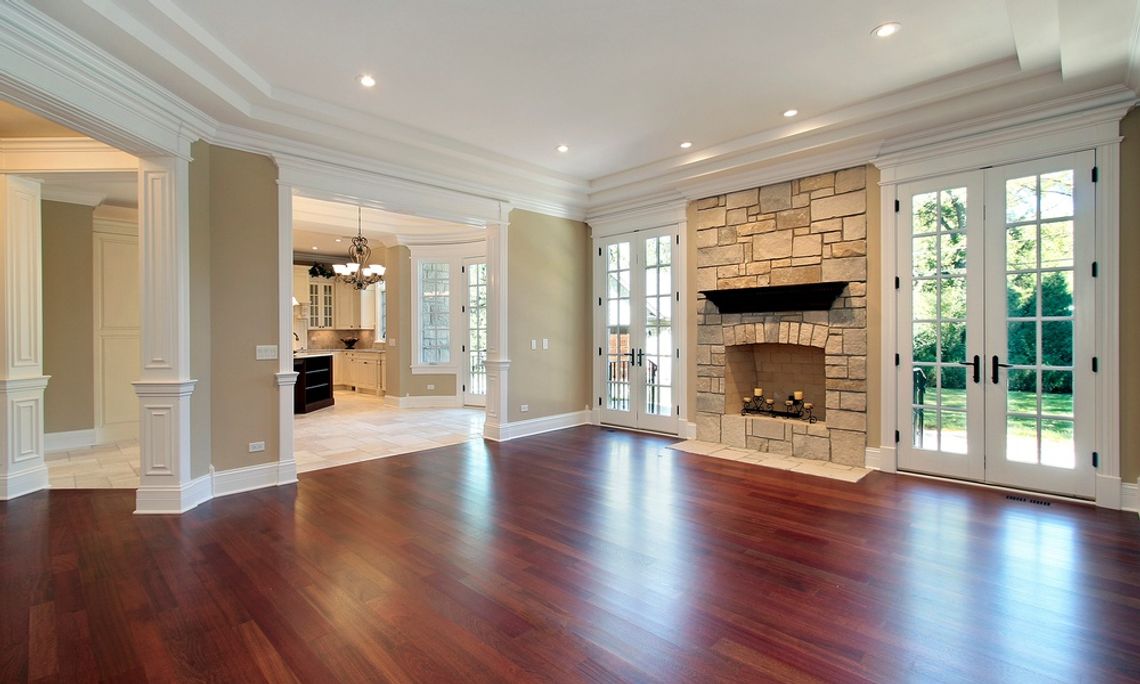
Creating a home that remains attractive and functional for decades requires more than following current trends. Designing a home that ages beautifully over time means selecting materials, finishes, and layouts that continue to perform well as your lifestyle evolves. While aesthetics matter, durability and maintainability are equally important. A thoughtful approach to home design can reduce renovation costs and ensure your living spaces retain their charm year after year.
Prioritize Timeless Design Choices
Timeless homes are built on classic design principles rather than fleeting fads. Neutral color palettes, quality craftsmanship, and balanced architectural details tend to remain appealing even as decorating styles change. Instead of replacing major features every few years, homeowners can update accessories, paint colors, or furnishings while keeping the foundation of the home intact.
Investing in high-quality flooring, cabinetry, countertops, and fixtures often pays off over the long term. These elements receive daily use, making durability just as valuable as appearance.
Choose Materials That Improve With Age
Many natural and handcrafted materials develop character over time instead of looking worn out. Hardwood flooring, natural stone, and handmade ceramic tile often gain visual depth as they age. Their subtle imperfections contribute to a lived-in appearance that feels intentional rather than outdated.
Before selecting specialty materials, it's helpful to understand their care requirements. For example, homeowners considering handcrafted Moroccan tile can benefit from understanding proper maintenance for Zellige tile so they know how routine cleaning and care help preserve its unique finish without diminishing its handcrafted beauty.
Build Maintenance Into Your Design Plan
Even the highest-quality materials require occasional attention. Planning for maintenance from the beginning makes it easier to keep every room looking its best.
Selecting finishes that are easy to clean, installing accessible fixtures, and using durable protective coatings where appropriate all contribute to lower maintenance demands. Preventative care is usually far less expensive than replacing damaged materials due to neglect.
Regular inspections of grout, caulking, paint, and sealants can prevent small issues from becoming major repairs. Developing seasonal maintenance routines also helps preserve both the appearance and structural integrity of your home.
Design for Flexibility
A home that ages well also adapts to changing needs. Open layouts, ample storage, and multi-purpose spaces provide flexibility for growing families, remote work, entertaining, or aging in place.
Choosing furnishings and built-in features with long-term functionality reduces the need for frequent remodeling. Simple design decisions, such as wider walkways, abundant natural lighting, and durable finishes, can improve comfort for years to come.
Investing in Lasting Value
At its core, designing a home that ages beautifully over time is about making thoughtful decisions that balance beauty, function, and longevity. By selecting timeless materials, understanding how to care for specialty finishes, and planning for future needs, homeowners create spaces that continue to feel welcoming and valuable long after the latest design trends have passed.
Comment
Comments