
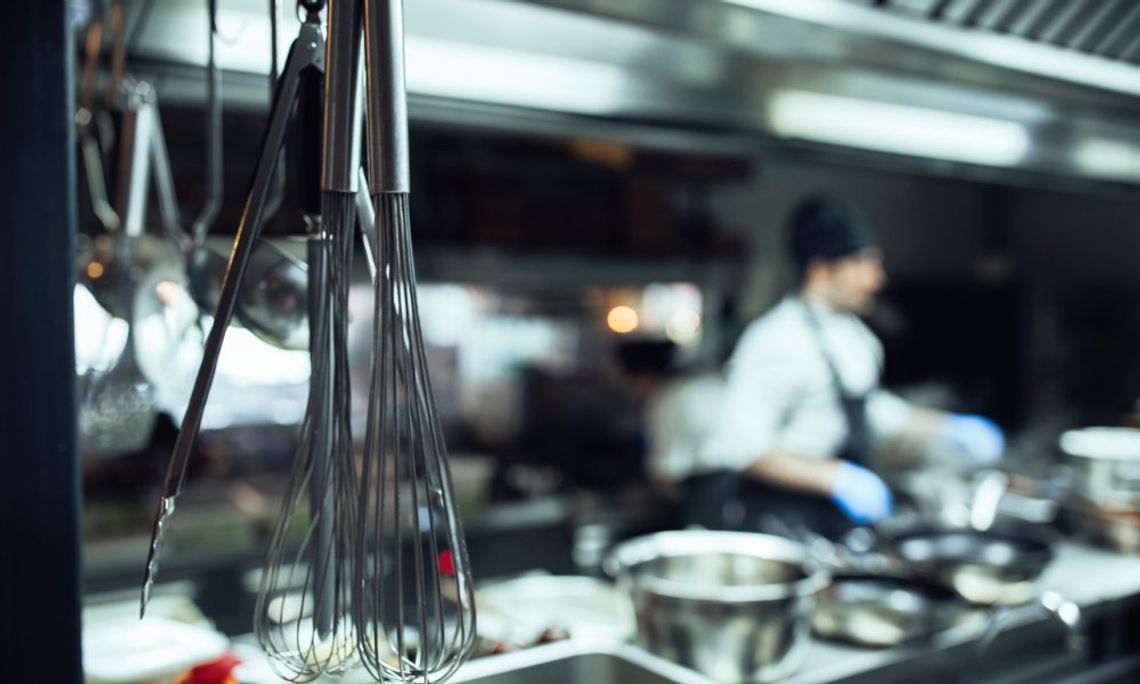
A busy kitchen depends on reliable equipment. From grills and fryers to ovens and prep stations, every piece of equipment plays a role in daily service. When aging equipment starts to slow production or drive up repair bills, replacement becomes part of running a successful operation. If you're ready to upgrade your kitchen, review your options and invest in equipment that supports your staff and customers. These tips for replacing cooking equipment in your restaurant will help you find great upgrades now.
Watch for Signs That Equipment Has Reached the End of Its Life
Most restaurant owners try to get as much value as possible from their equipment. That approach makes sense, but there comes a point when repairs cost more than replacement. Frequent breakdowns, inconsistent cooking temperatures, and rising utility bills all point toward aging equipment.
For example, a commercial oven that struggles to maintain heat can lead to uneven food quality and slower ticket times. When problems become routine, replacement may save money in the long run. Don’t hesitate to refer to a list of essential restaurant equipment if you want to find rewarding new upgrades for the workplace.
Evaluate Your Current Kitchen Needs
Before purchasing new equipment, take a close look at your menu and workflow. A restaurant that has expanded its menu may need larger or more versatile equipment than it used a few years ago. New cooking methods can also create different equipment demands.
Think about peak service hours and areas where bottlenecks occur. A larger griddle or an additional fryer could help improve efficiency and reduce stress during busy periods.
Plan for Installation and Staff Training
New equipment can change kitchen routines. Before installation day arrives, verify that electrical, gas, and ventilation systems can support the new unit. Proper planning helps avoid delays and unexpected expenses. Once equipment is in place, spend time with staff members so everyone understands proper operation and maintenance procedures. A short training session can help prevent mistakes and extend the life of the equipment.
Follow these tips to replace cooking equipment in your restaurant with successful results. Restaurant kitchens operate at a fast pace every day. Reliable equipment helps employees perform their jobs efficiently and supports consistent food quality for guests. As you plan future upgrades, take time to research your options and choose equipment that aligns with your goals. The right investment today can support your restaurant's success for years to come.
Comment
Comments