
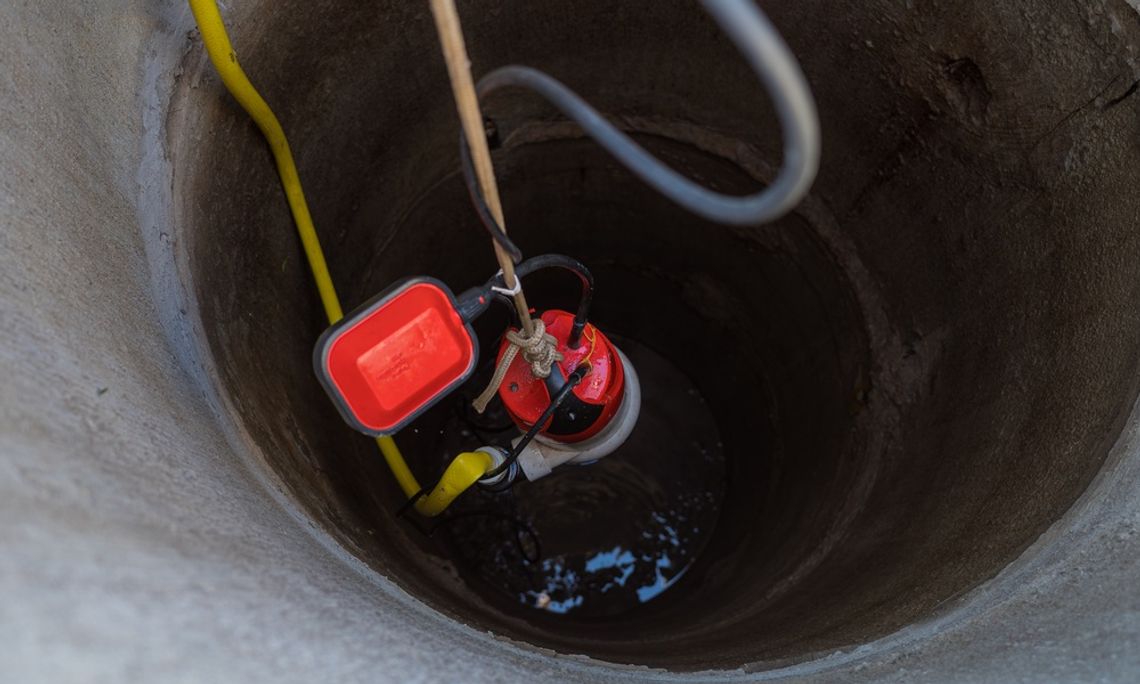
A private well provides dependable water when each system part works properly. A clear well pump maintenance plan helps homeowners prevent surprise repairs and protect the water supply.
Regular planning also makes service calls easier to manage. Good records and scheduled checks can reveal small problems before a pump stops working.
Schedule Routine Professional Inspections
A qualified well professional should inspect the system on a regular schedule. Many homeowners arrange a check each year or after noticeable changes in water pressure.
An inspection can identify worn wiring or pressure problems. Early repairs often cost less than emergency replacements.
Watch for Changes in Performance
Changes in water flow can signal a developing pump problem. Warning signs include low pressure and frequent pump cycling. Cloudy water or unusual sounds also deserve attention. A sudden increase in electric use may indicate that the pump runs longer than normal.
Keep Detailed Maintenance Records
A simple record can support faster decisions during well repair. Each entry should include the service date and the work completed.
Useful records include:
- Pump installation date
- Inspection reports
- Water test results
- Parts and repair receipts
- Technician contact details
Store printed records in a dry location. Digital copies can provide backup access during an urgent service call.
Plan for Replacement Parts
Well components can wear out at different rates. Planning ahead helps homeowners avoid rushed purchases during a breakdown.
Researching and choosing the right well drop parts can clarify material and sizing options. Correct parts support reliable water flow and reduce strain on the pump.
A technician can confirm which parts match the well depth and pump setup. Homeowners should avoid installing parts without proper system information.
Test the Water Regularly
Water testing supports both system care and household safety. Changes in taste or color can point to contamination or well damage. Testing also creates a useful baseline for future comparisons.
Set Aside Money for Repairs
Pump repairs can create unexpected household expenses. A dedicated maintenance fund can cover inspections and minor replacement parts.
Older systems may require a larger reserve. Installation records can help estimate when major equipment may need replacement.
Prepare for a Pump Failure
Every well pump maintenance plan should include emergency contact information. Homeowners should also store a small supply of drinking water.
A trusted technician can explain how to shut off power safely. Fast action can prevent equipment damage and reduce water loss.
Stay Consistent
Well pump care works best with steady attention. Routine checks and organized records help extend system life. Simple planning can reduce stress during future repairs. A reliable schedule also supports safe water access throughout the year.
Comment
Comments