
Roof leaks often begin with small issues that homeowners do not notice until water stains or damage appear indoors. In many cases, the first signs are subtle, such as a faint discoloration on the ceiling, peeling paint, or a musty odor in the attic. Because these warning signs develop gradually, it is easy to overlook them until the damage becomes more extensive. Understanding how and why leaks occur allows homeowners to respond before moisture affects insulation, framing, or interior finishes.
Uncovering the most common causes of roof leaks helps you recognize warning signs early, protect your home's structure, and avoid expensive repairs. Regular inspections and prompt maintenance keep minor concerns from turning into major problems while extending the life of your roof.
Damaged or Missing Roofing Materials
Shingles, tiles, and other roofing materials wear down over time because they face constant exposure to changing weather. Strong winds may loosen materials, while hail can create cracks that allow water to enter beneath the surface. Even one missing shingle can expose the underlayment and create a path for moisture. Scheduling inspections after severe weather helps identify damage before leaks spread throughout the roof system.
Sunlight also plays a significant role in roof deterioration. Continuous exposure to ultraviolet rays gradually causes roofing materials to become brittle, reducing their ability to repel water effectively. Seasonal temperature swings can further weaken shingles as they repeatedly expand during warm weather and contract during colder months. Homeowners who notice curling edges, cracked shingles, or excessive granules collecting in gutters should schedule a professional inspection as soon as possible. Addressing these issues early often prevents widespread water intrusion and helps preserve the roof's protective barrier.
Flashing Failures Around Roof Openings
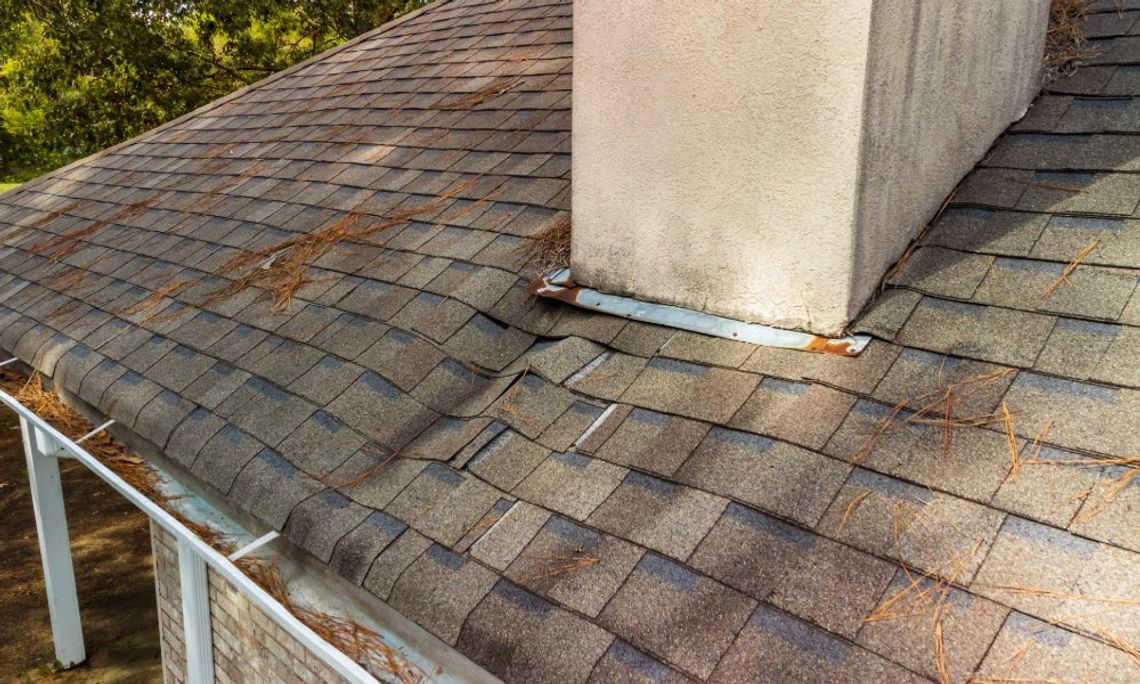
Flashing seals the joints around chimneys, skylights, roof vents, and valleys. When flashing rusts, separates, or pulls away from the roof, water can seep into vulnerable areas. Many common roofing problems homeowners face begin around these roof penetrations because they experience repeated expansion and contraction from temperature changes. Replacing damaged flashing restores a watertight seal and prevents moisture from reaching the roof deck.
Proper installation is just as important as the quality of the flashing itself. Even durable metal flashing can fail prematurely when installers do not install it correctly or when sealants deteriorate over time. During routine roof inspections, contractors often examine these transition points closely because they are among the most common sources of hidden leaks. Catching flashing problems early helps avoid costly repairs to ceilings, walls, and attic spaces.
Clogged Gutters and Poor Drainage
Gutters direct rainwater away from the roof and foundation. Leaves, twigs, and other debris can block water flow, causing it to pool along the roof's edge. Standing water increases the chance of leaks by working beneath roofing materials over time. Keeping gutters clean allows rainwater to drain properly and reduces unnecessary stress on the roofing system during heavy storms.
Downspouts also play an essential role in effective drainage. If they become clogged or fail to direct water far enough away from the home's foundation, moisture can accumulate around both the roofline and the structure below. Installing gutter guards may reduce debris buildup, but homeowners should still inspect them regularly to ensure water flows freely. Cleaning gutters at least twice a year, especially during the spring and fall, can significantly reduce the risk of drainage-related roof problems.
Aging Roof Components
Every roof has a limited lifespan, even with consistent maintenance. Roofing materials gradually lose their protective qualities as they age, making them more vulnerable to cracks, curling, or deterioration. Sealants around vents and flashing also weaken over time. Routine inspections help identify aging components that need replacement before water damage develops inside the home.
The expected lifespan of a roof depends on the materials used, local climate, and the quality of previous maintenance. Asphalt shingles often last several decades, while metal and tile roofs may perform much longer when properly maintained. However, no roofing system is immune to aging. Routine maintenance allows homeowners to replace isolated problem areas before they compromise the performance of the entire roof. Investing in preventative care can delay the need for a complete roof replacement while maintaining reliable protection from the elements.
Ice Dams and Seasonal Weather Damage
Winter weather can create conditions that increase the risk of roof leaks, especially in colder climates. Ice dams form when heat escapes through the roof, causing snow to melt and refreeze along the roof's edge. As the ice builds, it prevents proper drainage and forces water beneath shingles, where it can seep into the roof deck and attic. Heavy snow accumulation can also place additional stress on roofing materials, making existing weaknesses more likely to fail.
Proper attic insulation and ventilation help maintain consistent roof temperatures, reducing the likelihood of ice dam formation. Removing excessive snow with safe roof-clearing methods and scheduling inspections after harsh winter weather can help identify seasonal damage before it leads to costly water intrusion. Taking preventative measures before winter arrives helps keep your roof protected throughout the coldest months of the year.
Why Fast Repairs Matter
Ignoring a small roof leak often leads to larger structural issues. Moisture can damage insulation, stain ceilings, weaken wooden framing, and encourage mold growth. Addressing problems as soon as they appear limits repair costs and protects the integrity of your home. Professional roof inspections provide a clear assessment of problem areas and help ensure repairs solve the underlying issue rather than only treating visible symptoms.
Beyond structural concerns, untreated leaks can also reduce your home's energy efficiency. Wet insulation loses much of its effectiveness, allowing heated or cooled air to escape more easily. As a result, heating and cooling systems may work harder, increasing monthly energy bills. Prompt repairs not only protect the building itself but also help maintain indoor comfort and improve overall energy performance. Professional roofing contractors use specialized equipment and experience to locate the true source of leaks, which may not always be directly above the visible water damage inside the home.
Protect Your Home With Preventive Roof Care
Uncovering the most common causes of roof leaks gives homeowners the knowledge needed to act before small problems become costly repairs. Regular maintenance, timely inspections, and prompt attention to damaged roofing materials help preserve your roof's performance. Taking preventive steps today can keep your home dry through every season.
Comment
Comments