
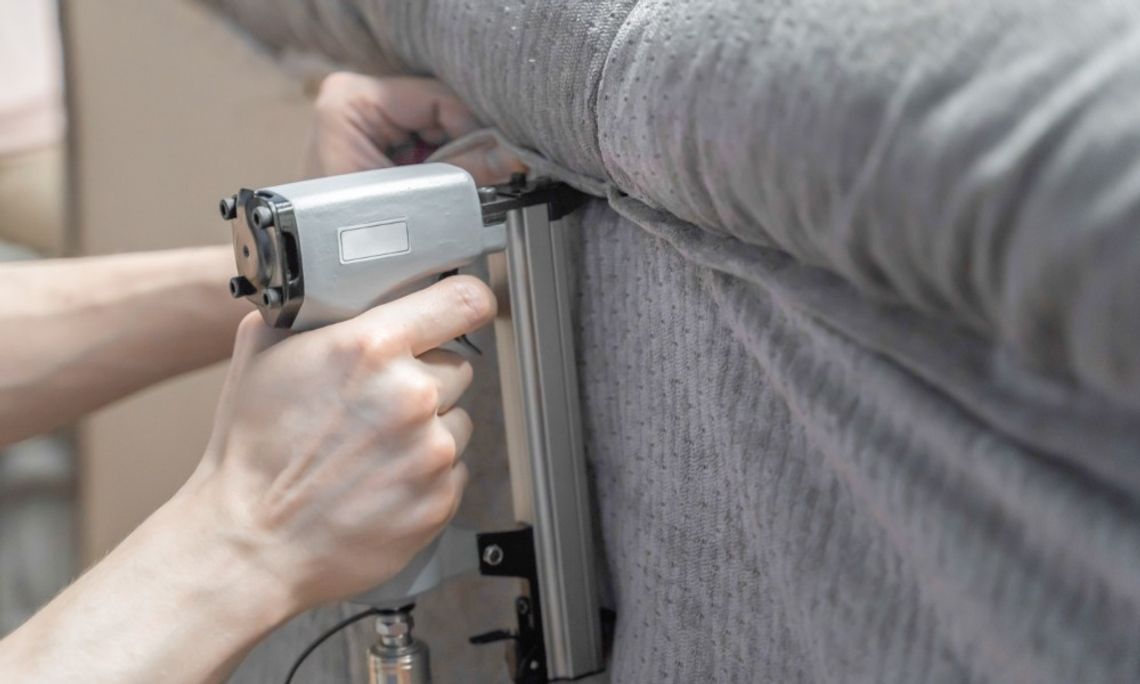
When a couch begins to sag in one specific area, the problem usually starts beneath the surface rather than in the fabric itself. Before replacing anything, take time to inspect what supports the cushion and how it performs under pressure. The goal is to correct the weak spot carefully without creating unevenness or discomfort in nearby seating areas. Read on and learn how to fix a couch that sags in one spot.
Check the Cushion First
Begin by removing the cushion and pressing across its surface with both hands to test its responsiveness. Notice whether one section feels softer or slower to return to shape compared to the rest. If so, the foam inside has likely worn down over time. Rotate the cushion and place it back on the couch for a few days. If the sag returns quickly, replacing the insert with properly sized, firm foam is the most effective solution.
Inspect the Support Underneath
After removing the cushion, examine the support layer beneath it, as this area carries most of the weight during use. Over time, webbing can stretch, and springs may shift or weaken, leading to uneven support. Press gently across the base and listen for differences in sound or movement. If one section feels unstable or loose, repair that area first. Adding padding alone will not fix a problem that originates in the support structure.
Match the Repair to the Problem
It may seem easier to fill the sagging area with extra padding, but this approach rarely lasts long. While it might temporarily improve comfort, the dip will return if the underlying issue remains unresolved. Focus on identifying what actually failed. Replace the foam if it has flattened or lost resilience. Repair or reinforce the support system if it has weakened. Addressing the root cause ensures a longer-lasting and more reliable repair.
Reset the Fabric With Care
Even after restoring the structure, the upholstery fabric can affect how the seat appears and feels. Loose or uneven fabric may create the illusion of sagging even when the support is solid. Understanding upholstery tension mapping for wrap-free layouts helps explain why balanced tension is important. Start adjusting from the center and gradually work outward. Taking your time prevents wrinkles and ensures the finished repair looks smooth and professionally done.
Check the Frame for Damage
If the sag continues despite repairing the cushion and support, the frame itself may be compromised. Carefully turn the couch and inspect the joints and wooden structure underneath. Look for cracks, splits, or gaps where pieces connect. Minor damage can sometimes be repaired with wood glue and proper clamping. However, serious issues in load-bearing areas often require professional repair.
Understanding how to properly fix a couch that sags in one spot can help extend your furniture's lifespan. Remember to rotate the cushions regularly to distribute wear evenly across all seating areas! Lastly, avoid placing consistent pressure on the same spot every day.
Comment
Comments