
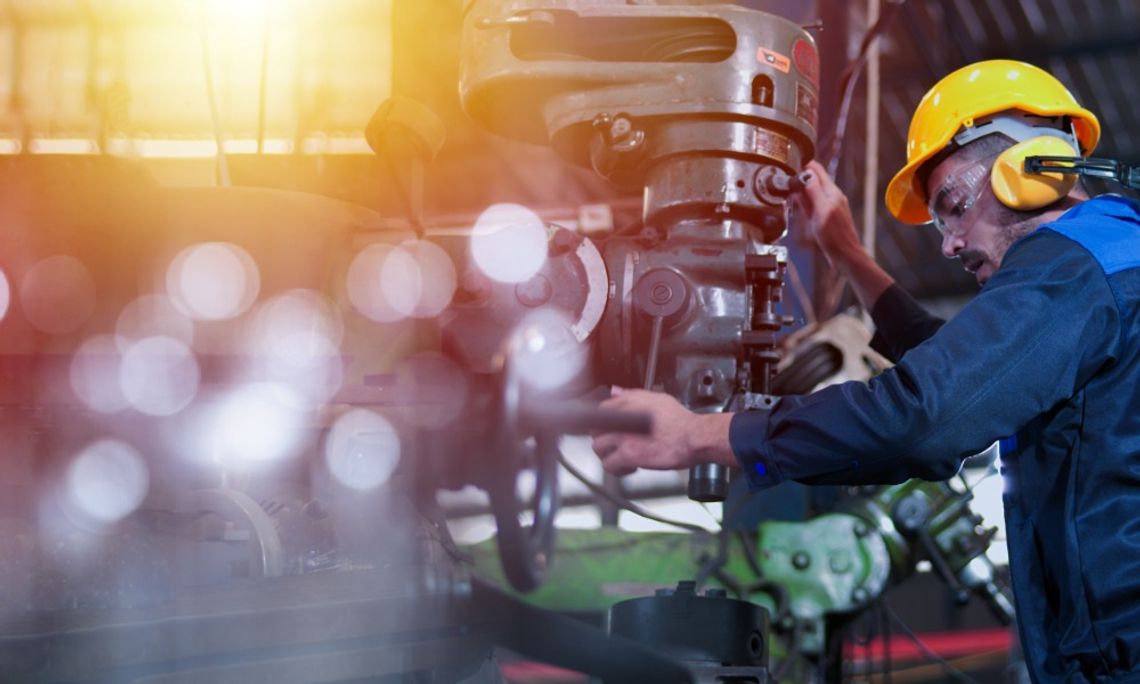
Operating heavy machinery takes skill, focus, and a strong commitment to safety. New operators often feel excited to get started, but every job site includes hazards that require careful attention. Learning safe habits from the beginning helps prevent injuries, protects equipment, and keeps projects on schedule. Whether you operate an excavator, bulldozer, loader, or forklift, following proven safety practices every day builds confidence and creates a safer work environment for everyone nearby.
Complete a Thorough Equipment Inspection
Always inspect your machine before starting work. A quick walk-around helps you spot leaks, damaged hoses, worn tires or tracks, loose hardware, and other visible problems. Check fluid levels, lights, mirrors, warning alarms, and safety devices before turning the key. Report any issues immediately instead of hoping they will disappear during the workday.
Learn Every Control Before Operating
Every machine has different controls, operating limits, and safety features. Read the operator's manual and spend time learning the layout before moving the equipment. Ask experienced coworkers or trainers to explain unfamiliar functions. Understanding the controls before entering an active job site reduces mistakes and improves reaction time.
Stay Alert to Your Surroundings
Heavy machinery creates large blind spots, so constant awareness matters. Watch for pedestrians, vehicles, overhead power lines, uneven ground, and changing site conditions. Use mirrors frequently and rely on cameras if your equipment includes them. When visibility becomes limited, work with a trained spotter to help direct movement safely.
Wear the Right Safety Gear
Personal protective equipment protects you from common job site hazards. Every operator should wear:
- A properly fitted hard hat
- High-visibility clothing
- Steel-toe boots
- Safety glasses
- Hearing protection when necessary
- Work gloves suited to the task
Using the correct equipment every day reduces the risk of preventable injuries.
Keep Up With Maintenance
Well-maintained machinery performs more reliably and safely. Follow the manufacturer's maintenance schedule and never ignore unusual noises or warning lights. Pay attention to regular lubrication, filter replacements, and fluid checks because these tasks help reduce wear on important components. Addressing small maintenance concerns early often prevents larger mechanical failures later.
Never Rush the Job
Pressure to finish quickly can lead to costly mistakes. Operate at safe speeds, follow established procedures, and avoid unnecessary risks. Slow down when working in tight spaces or near other workers. Taking a few extra minutes often prevents accidents that could stop work for days or weeks.
Communicate With the Crew
Clear communication improves safety across the entire job site. Let coworkers know when you plan to move equipment, change direction, or begin lifting materials. Use standard hand signals or radios when necessary. Confirm that everyone understands the plan before starting complex tasks, especially in busy work areas.
Keep Learning Every Day
Even experienced heavy machine operators continue improving their skills. Attend safety meetings, participate in refresher training, and ask questions whenever uncertainty arises. Every project presents different challenges, so staying open to new techniques helps you become a more capable operator. Strong safety habits protect you, your coworkers, and the equipment while building a reputation as a dependable professional.
Comment
Comments