
Thinking about starting a dairy farm of your own, or just curious how farmers collect so much milk every day? Here’s what you need to know about the different types of milking equipment dairy farmers use to milk animals like cows and goats, along with how each part works.
Milking Machines Draw Milk from the Udder
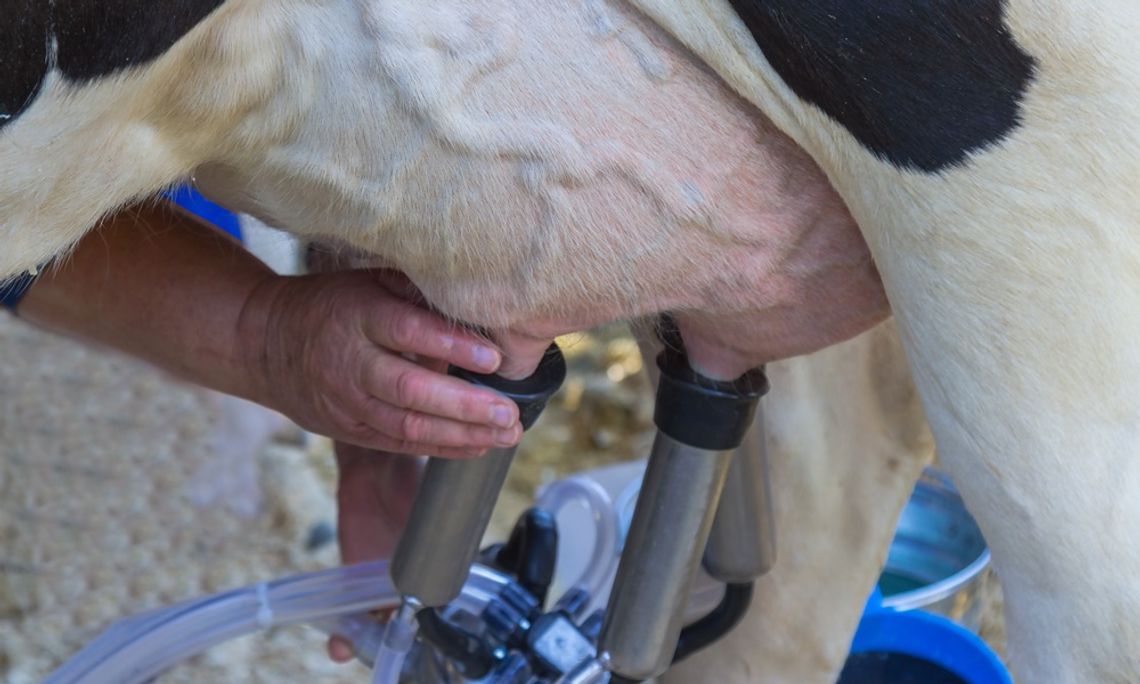
A milking machine is the main system farmers use to remove milk without milking each animal by hand. The part attached to the udder has four teat cups, with one cup placed over each teat. A soft rubber liner sits inside every cup and creates contact with the teat.
The machine uses gentle suction to draw out the milk. It doesn't pull without stopping, since constant pressure would irritate the animal. Instead, the system alternates between drawing milk and briefly releasing pressure. This repeated motion allows milk to flow while giving the teat a short rest between each pull.
Pulsators Create a Gentle Milking Rhythm
A pulsator is a small control device connected to the milking machine. Its job is to change the air pressure inside the teat cups. Without it, the machine would apply constant suction instead of the repeated squeezing motion needed for safe milking.
Milking Claws Bring the Milk Together
Milking claws are essential for dairy farms because they gather the milk coming from each teat cup and direct it into one hose.
A milking claw looks like a small chamber that hangs beneath the udder. Four short tubes connect it to the teat cups, while a larger hose carries the combined milk away. The chamber keeps the milk flowing in one direction without requiring a separate hose for every teat. Its position also keeps the teat cups grouped together during the milking session.
Milk Pipelines Move Milk Through the Barn
A milk pipeline is a network of enclosed tubes that carries milk away from the milking machine. Farmers use these pipes instead of moving open buckets from one animal to another. The enclosed path limits the milk’s contact with dust and other material inside the barn.
The pipeline runs from the milking area toward a collection point. Suction moves the milk through the tubing, while the pipe’s slight downward angle guides it along.
Bulk Tanks Cool the Milk
A bulk tank is a large refrigerated container that stores milk after it leaves the pipeline. Fresh milk enters the tank warm, so the cooling system begins lowering its temperature soon after collection. Cold storage slows bacterial growth and keeps the milk ready for pickup.
Each Component Supports the Next
The milking equipment dairy farmers use forms one connected system. The vacuum pump supplies suction, while the pulsator controls its rhythm. Teat cups collect milk from the udder before the claw combines the flow. From there, the pipeline carries the milk toward refrigerated storage. Farmers need every component to operate correctly during every milking session.
Comment
Comments