
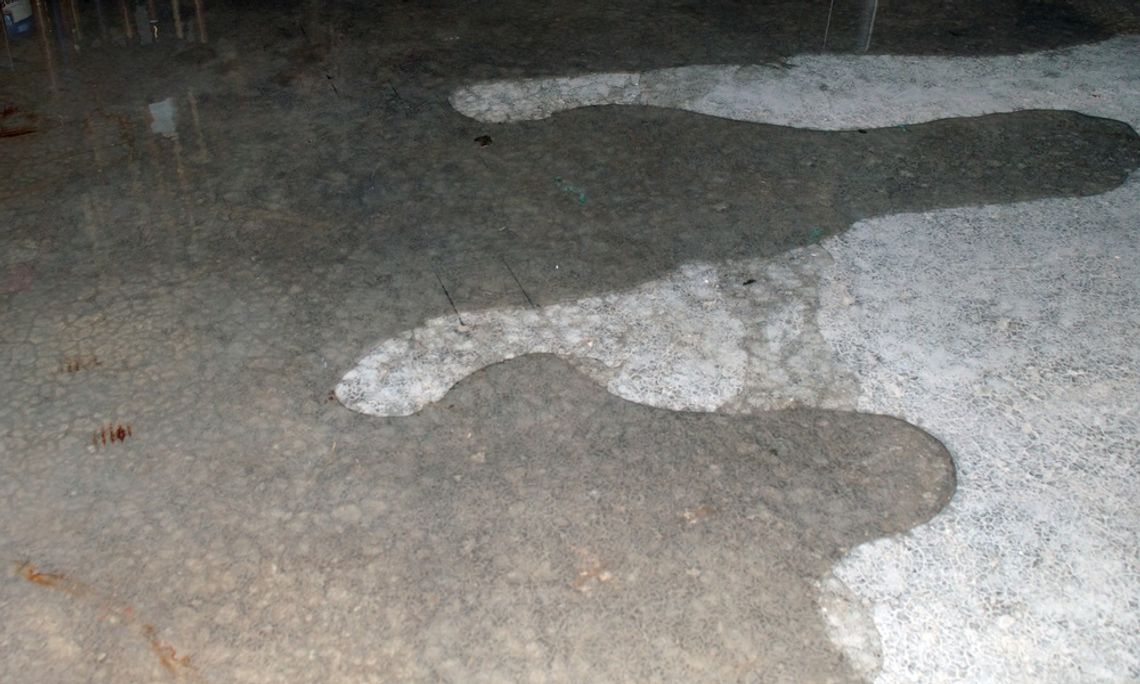
Have water leaking into your basement and you're not sure why? Water infiltration can happen for a range of reasons; here are some of the most common culprits and what you can do about them.
When the Ground Around Your Foundation Slopes Inward
The soil around your home should slope away from the foundation so rainwater runs away from the structure. If the grade is flat or slopes toward the house, water pools against the foundation wall and works its way through over time.
Regrading the soil so it drops at least six inches over the first ten feet from the foundation redirects water before it saturates the ground closest to your walls.
Cracks in the Foundation Wall
Concrete isn't impervious. Over time, hydrostatic pressure, soil movement, and temperature changes can create cracks in poured concrete or block walls. Even a hairline crack gives water a direct path inside.
Epoxy injections work well for non-structural cracks in poured concrete. Larger or recurring cracks need a professional assessment, since they can indicate deeper structural movement.
Poor Drainage Around the Property
When water has nowhere to go after a rain event, it saturates the soil nearest your foundation. Poor drainage can worsen basement water issues by keeping the ground around the perimeter wet for extended periods.
If you have a drainage problem, there are several solutions you can use to remedy the situation, from French drains to surface grading corrections. One solution will work for most properties, but some situations may need a combination of approaches.
Window Well Flooding
Basement windows sit below grade, which puts them in the direct path of runoff. If the window well doesn't have a gravel base or a drain at the bottom, water collects and pushes against the window frame until it gets through.
Installing a window well cover keeps rain out. Adding gravel to the base gives any water that does collect somewhere to drain instead of sitting against the glass and finding a seam.
A Failing or Absent Sump Pump
Basements in areas with high water tables depend on a sump pump to collect and discharge groundwater before it rises above the floor. If the pump is undersized, clogged, or past its lifespan, water wins.
Testing your sump pump before rainy season and replacing it every seven to ten years keeps it from failing when the pressure on your foundation is at its highest.
Track the Water Back to Its Source
Water leaking into a basement rarely has one clean answer. The source is often a combination of factors that build on each other over time. Once you know what's driving the infiltration, the fix is usually more straightforward than it looks. Start with the most obvious issue, address it, and reassess from there.
Comment
Comments