
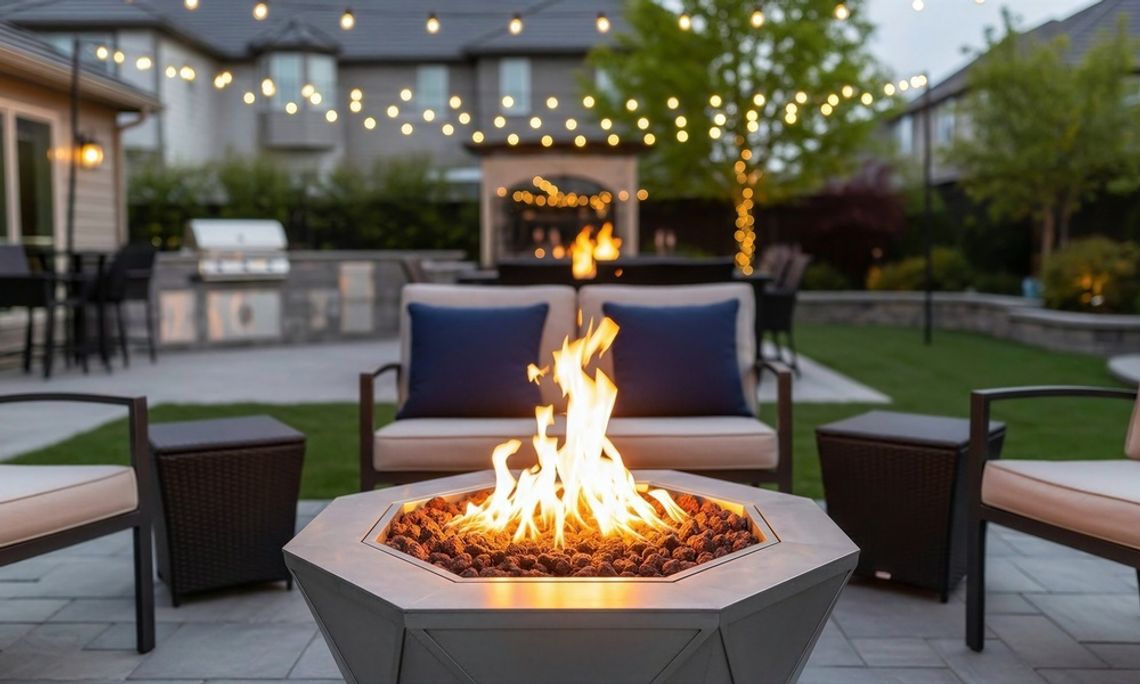
Outdoor amenities add value to a home in ways that go beyond resale potential. They create spaces for relaxation, entertaining, exercise, and family gatherings while making everyday life more enjoyable. Whether a homeowner has a patio, deck, outdoor kitchen, swimming pool, fire feature, or hot tub, these additions represent a meaningful investment. Protecting that investment requires more than occasional cleaning or seasonal attention.
Many homeowners wait until something stops working before taking action. Unfortunately, reactive maintenance often comes with higher repair costs, unexpected downtime, and sometimes complete replacement of expensive components. Why preventive care saves money on outdoor amenities becomes clear when maintenance is viewed as an ongoing strategy rather than an occasional task. Small, consistent efforts reduce wear, extend equipment life, and help every feature perform as intended.
Every Outdoor Feature Experiences Constant Wear
Outdoor amenities face challenges that indoor spaces rarely encounter. Rain, snow, sunlight, fluctuating temperatures, humidity, pollen, dirt, insects, and wind all contribute to gradual deterioration. Even the highest-quality materials cannot avoid exposure to the elements.
Wood structures can absorb moisture that leads to warping or decay. Metal components may corrode if protective finishes become damaged. Stone surfaces collect debris that traps moisture and encourages staining. Mechanical systems experience normal wear every time they operate.
None of these problems appear overnight. Instead, they develop gradually until a relatively inexpensive issue becomes a significant repair.
Routine inspections make it possible to catch loose hardware, cracked seals, clogged drains, fading finishes, or unusual equipment performance before those conditions become expensive failures.
Small Maintenance Tasks Prevent Major Repairs
One of the biggest financial advantages of preventive care is reducing the likelihood of large repair bills. Many costly repairs begin with issues that were inexpensive to address in their earliest stages.
For example, leaves accumulating around drainage systems may eventually cause standing water that damages surrounding structures. A loose fastener on a deck railing can create additional movement that weakens nearby connections. Ignoring a small plumbing leak may eventually damage pumps, valves, or surrounding materials.
Regular maintenance interrupts that cycle.
Cleaning surfaces, tightening hardware, replacing worn seals, lubricating moving parts, and checking operating systems all require relatively little time compared to replacing damaged equipment or rebuilding outdoor structures.
The same philosophy applies across nearly every outdoor feature regardless of its size or complexity.
Water Features Require Consistent Attention
Pools, fountains, and hot tubs require ongoing maintenance because water constantly interacts with pumps, plumbing, filters, heaters, and surface materials.
Balanced water chemistry protects equipment while helping surfaces remain clean and functional. Poor water quality can accelerate corrosion, encourage scale buildup, reduce filtration efficiency, and create unnecessary strain on mechanical systems.
Water replacement also plays an important role in long-term maintenance. Homeowners who understand how often they should change their hot tub water are better positioned to maintain water quality while reducing unnecessary stress on pumps, heaters, and filtration equipment.
That single maintenance habit supports the overall performance of the entire system rather than addressing problems only after they become noticeable.
Seasonal Maintenance Protects Long-Term Investments
Every season creates unique maintenance priorities.
Spring often involves cleaning accumulated debris, inspecting winter damage, checking irrigation systems, and preparing outdoor equipment for increased use. Summer requires monitoring water systems, cleaning surfaces, trimming vegetation, and ensuring ventilation remains unobstructed.
Fall presents opportunities to remove leaves, inspect drainage, seal vulnerable materials, and prepare equipment for colder temperatures.
Winter protection focuses on preventing freeze damage, covering exposed equipment, and following manufacturer recommendations for seasonal shutdown procedures. Addressing these seasonal responsibilities consistently prevents gradual deterioration that otherwise accumulates year after year.
Preventive Maintenance Improves Energy Efficiency
Poorly maintained outdoor equipment often consumes more electricity, water, or fuel than necessary. Dirty filters restrict airflow and water circulation. Mineral deposits reduce heating efficiency. Pumps operating against clogged plumbing work harder than properly maintained systems.
Even outdoor lighting benefits from routine cleaning and inspection because fixtures covered in dirt often provide less illumination while consuming the same amount of electricity.
Although each individual improvement may appear relatively small, reduced operating costs accumulate over the life of outdoor amenities. Lower utility bills become another financial benefit of preventive maintenance.
Appearance Influences Long-Term Value
Outdoor amenities contribute significantly to curb appeal and overall property presentation.
Weathered surfaces, peeling finishes, stained patios, cloudy water features, broken lighting, and neglected landscaping create the impression that maintenance has been deferred throughout the property. Conversely, clean, functional outdoor spaces communicate that the home has been well cared for.
This matters not only for homeowners planning to sell but also for protecting the value of expensive outdoor improvements already made. Regular cleaning, sealing, staining, pressure washing where appropriate, and repairing cosmetic issues preserve both appearance and functionality.
These relatively modest maintenance expenses help avoid premature replacement of larger structures.
Maintenance Creates Better Experiences
Financial savings remain important, but preventive care also improves everyday enjoyment. Outdoor amenities are built to be used. Homeowners should not worry whether a heater will operate properly before guests arrive or whether a water feature will require unexpected repairs during the busiest part of summer.
Reliable equipment allows families to spend more time enjoying outdoor spaces instead of troubleshooting them.
That consistency becomes especially valuable for features designed to promote relaxation, recreation, or entertaining. A predictable maintenance schedule helps ensure amenities remain available whenever they're needed.
Developing a Practical Maintenance Routine
Many homeowners postpone maintenance because it seems overwhelming. In reality, most preventive care involves manageable tasks performed consistently throughout the year; creating a maintenance calendar simplifies the process.
Monthly inspections, seasonal cleaning, equipment checks, water testing where appropriate, and manufacturer-recommended servicing provide a practical framework that keeps outdoor amenities operating efficiently.
Professional inspections can complement routine homeowner maintenance by identifying developing issues that may not be immediately visible. Together, these efforts reduce long-term ownership costs while maximizing the lifespan of valuable outdoor investments.
Protect Your Amenities
The true cost of outdoor amenities extends well beyond the initial purchase. Long-term ownership depends on keeping every component operating efficiently through changing seasons and years of regular use. Why preventive care saves money on outdoor amenities is demonstrated every time a small maintenance task prevents an expensive repair, extends the life of equipment, or preserves the appearance of an outdoor living space.
Preventive maintenance is rarely about performing major projects. Instead, it involves making consistent, informed decisions that protect investments before problems develop. Whether maintaining decks, outdoor kitchens, lighting systems, pools, or hot tubs, homeowners who prioritize routine care often spend less over time while enjoying more reliable, attractive, and functional outdoor spaces year after year.
Comment
Comments