
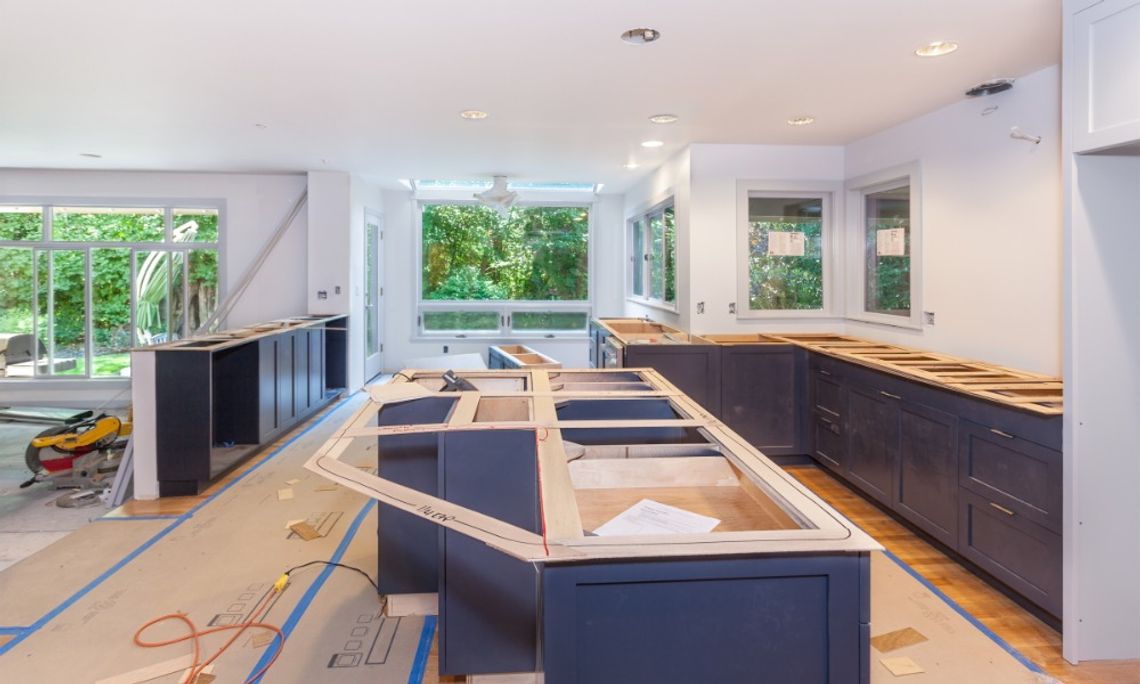
Planning a renovation requires thoughtful choices that support everyday living while increasing long-term value. Important design considerations for a kitchen remodel include balancing appearance with functionality, selecting durable finishes, and creating a layout that matches your lifestyle. Every decision should improve comfort without sacrificing efficiency. Homeowners who establish clear priorities before construction begins often avoid unnecessary changes that increase costs and delay completion.
A carefully planned kitchen should accommodate daily routines, complement the home's architectural style, and remain practical as household needs evolve. Focusing on lasting value instead of passing trends creates a space that feels welcoming, performs efficiently, and continues serving your family well for many years.
Start With a Functional Layout
A successful kitchen begins with a layout that supports comfortable movement and efficient meal preparation. Consider how you enter the room, unload groceries, prepare ingredients, cook meals, and clean afterward. Positioning work areas logically reduces unnecessary walking while improving convenience during busy days.
Leave enough clearance around islands, cabinets, and appliances so multiple people can move comfortably without interrupting one another. Every square foot should serve a purpose without making the room feel crowded. A balanced layout encourages better organization and creates an environment where cooking, entertaining, and everyday activities feel natural instead of frustrating.
Design Around Daily Habits
Every household uses the kitchen differently, so the design should reflect realistic routines rather than idealized concepts. Families who cook frequently may prioritize expansive prep areas, while homeowners who entertain often may prefer generous seating and open gathering spaces.
Think about where children complete homework, where guests naturally gather, and how frequently small appliances remain on the countertop. Designing around actual habits creates a kitchen that supports everyday life instead of forcing people to adjust to inconvenient features. Personalizing the space also increases long-term satisfaction because every element contributes to a practical experience.
Prioritize Smart Storage Solutions
Storage influences both functionality and appearance. Cabinets should maximize available space while keeping frequently used items within easy reach. Deep drawers simplify access to cookware, while pull-out shelves improve visibility inside lower cabinets. Pantry storage becomes more useful when adjustable shelving accommodates changing household needs over time.
Hidden organizers help reduce countertop clutter without sacrificing accessibility. Corner cabinet accessories also make difficult spaces easier to use. Well-planned storage allows every utensil, appliance, and pantry item to have a designated location, making cleanup faster while preserving an organized appearance throughout the kitchen.
Select Durable Countertops and Surfaces
Countertops experience constant use, making durability just as important as appearance. Materials should resist scratches, stains, and everyday wear while complementing surrounding finishes. Natural stone remains popular because it offers distinctive character, although engineered surfaces also provide exceptional performance with lower maintenance requirements.
Learning about the diversity of stone slab materials helps homeowners compare appearance, durability, and care expectations before making an investment. Backsplashes should protect surrounding walls while enhancing the overall design. Choosing materials that coordinate with cabinetry and flooring creates visual continuity that remains attractive through years of regular use.
Create a Comfortable Lighting Plan
Lighting dramatically affects how a kitchen looks and functions. Natural daylight makes the room feel larger while improving visibility during meal preparation. Artificial lighting should supplement available daylight instead of replacing it entirely. Under-cabinet fixtures illuminate work surfaces, making food preparation safer and more comfortable.
Decorative pendants add personality while defining islands or dining spaces. Recessed ceiling fixtures provide consistent illumination throughout the room without overwhelming the design. Installing dimmers allows homeowners to adjust brightness throughout the day, creating comfortable conditions for cooking, casual meals, or evening entertaining with family and friends.
Choose Cabinetry That Balances Style and Function
Cabinets establish the kitchen's overall character while providing essential storage. High-quality construction helps doors and drawers operate smoothly despite years of everyday use. Consider full-height cabinetry if additional storage remains a priority because taller cabinets maximize vertical space without expanding the room's footprint.
Door styles should complement the home's architecture instead of following short-lived trends. Finish colors also influence how spacious the kitchen feels. Lighter tones brighten smaller rooms, while darker finishes create warmth and visual depth. Selecting timeless cabinetry reduces the likelihood of costly cosmetic updates in the future.
Coordinate Appliances With the Overall Design
Appliances should support the kitchen's layout while complementing surrounding finishes. Size each appliance appropriately for the available space to avoid creating visual imbalance or restricting movement. Integrated designs can create a seamless appearance, while professional-style appliances establish a bold focal point.
Consider energy efficiency alongside appearance because lower operating costs provide lasting value after installation. Placing appliances near related work areas improves convenience during meal preparation and cleanup. Careful coordination ensures every appliance contributes to both the kitchen's functionality and its overall visual appeal.
Pay Attention To Flooring Performance
Kitchen flooring must withstand heavy foot traffic, occasional spills, and frequent cleaning without losing its appearance. Durable materials help preserve the room's finish while reducing maintenance demands. Texture also matters because slip-resistant surfaces improve safety, particularly in households with children or older adults.
Flooring should coordinate with adjacent rooms to create a natural transition throughout the home. Selecting a finish that complements cabinetry and countertops strengthens the overall design while maintaining practical performance. Investing in quality flooring supports long-term durability without compromising comfort underfoot.
Add Personal Details With Purpose
Decorative elements should reinforce the kitchen's overall design instead of overwhelming it. Hardware, faucets, open shelving, and carefully chosen accessories provide opportunities to express personal style while maintaining a cohesive appearance. Avoid filling every available surface with decorative objects because excessive accessories can make the room feel cluttered.
Instead, select a few meaningful accents that complement surrounding finishes. Functional décor, such as attractive storage containers or decorative lighting, contributes personality while continuing to serve everyday needs. Thoughtful details transform a well-designed kitchen into a welcoming gathering space.
A Kitchen Designed for Lasting Value
Thoughtful planning leads to better results throughout every remodeling project. Revisiting the important design considerations for a kitchen remodel before construction begins helps homeowners prioritize functionality, durability, and timeless design instead of temporary trends.
Careful decisions about layout, storage, lighting, cabinetry, flooring, appliances, and finishes create a kitchen that supports everyday routines while enhancing the home's overall value. Investing in practical features today reduces maintenance concerns tomorrow and helps the finished space remain attractive for years. A well-designed kitchen becomes more than a place to prepare meals because it encourages connection, simplifies daily living, and provides lasting satisfaction for everyone who uses it.
Comment
Comments