
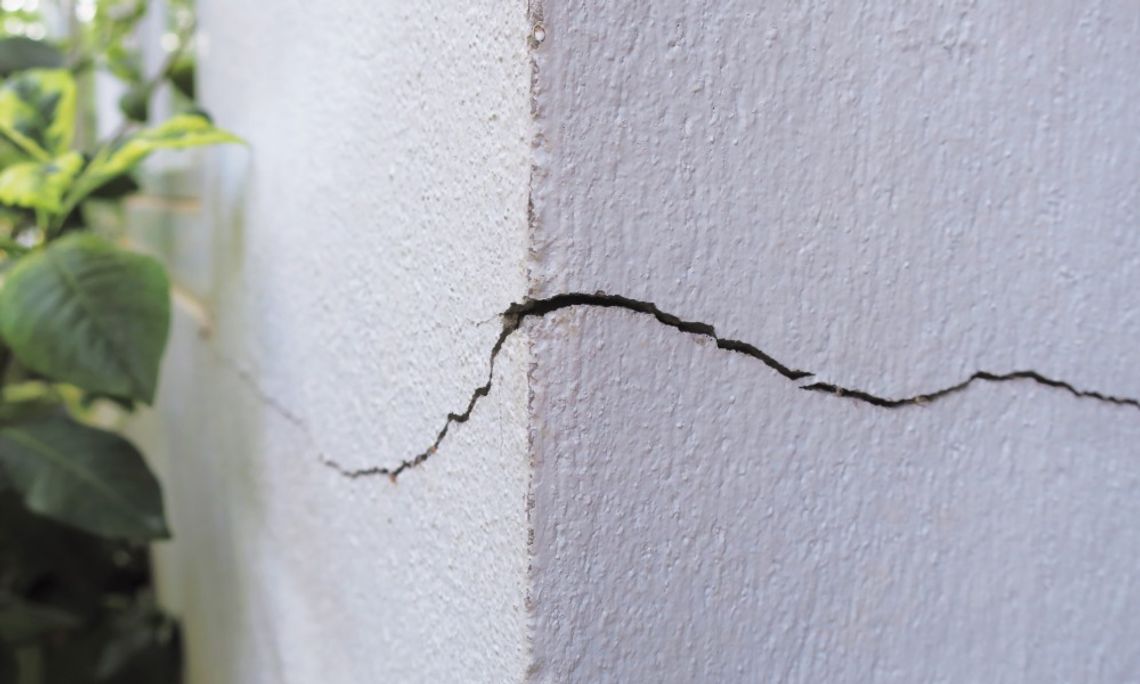
Your home’s foundation supports every wall, floor, and structural feature above it, so keeping it in good condition should remain a top priority. Small warning signs often appear long before major structural problems develop, giving homeowners the chance to take action before repair costs climb. Learning what to watch for helps you protect your investment and avoid unnecessary damage. Whether you have lived in your home for years or recently moved in, understanding common foundation issues makes it easier to spot problems early and work with professionals when needed.
Why Foundation Problems Develop
Foundations face constant pressure from the soil that surrounds them. Changes in moisture levels, temperature swings, poor drainage, and natural settling all affect how the ground behaves. When soil expands after heavy rain or shrinks during dry conditions, it places stress on the foundation.
Construction quality also plays an important role. Improper site preparation, low-quality materials, or inadequate drainage systems increase the likelihood of future issues. Even a well-built home experiences some settling over time, but excessive movement often signals a problem that deserves attention.
Cracks That Should Never Be Ignored
Not every crack indicates serious structural damage, but every crack deserves a closer look. Hairline cracks sometimes develop as concrete cures or settles naturally. Larger cracks, widening gaps, or cracks that continue growing usually require professional evaluation.
Pay attention to these warning signs:
- Horizontal cracks along foundation walls
- Stair-step cracks in brick or block foundations
- Wide vertical cracks that continue expanding
- Water leaking through foundation cracks
- Multiple cracks appearing in different areas of the home
Professionals can determine whether simple repairs solve the issue or whether the foundation requires more extensive stabilization.
Uneven or Sloping Floors
Floors should feel level throughout your home. When sections begin sloping, dipping, or bouncing underfoot, foundation movement may have shifted structural supports. Many homeowners first notice the issue when furniture leans slightly or objects roll across the floor without being pushed.
Several conditions contribute to uneven floors, including shifting soil, damaged support beams, or foundation settlement. Prompt inspections help identify the underlying cause before additional structural damage develops.
Doors and Windows That Stick
Doors and windows should open and close smoothly. If they suddenly stick, refuse to latch properly, or develop uneven gaps around the frame, foundation movement could have changed the shape of the structure.
Many homeowners blame humidity for these issues, especially during seasonal weather changes. While moisture sometimes affects wood frames, widespread sticking doors and windows throughout the house often point to foundation movement instead. Watching for several related symptoms helps distinguish cosmetic issues from structural concerns.
Water Damage Around the Foundation
Water remains one of the biggest threats to any home's foundation. Poor drainage allows water to collect around the perimeter, increasing hydrostatic pressure against foundation walls. Over time, that pressure creates cracks, leaks, and structural movement.
Homeowners should regularly inspect gutters, downspouts, and grading around the property. Downspouts should direct water several feet away from the foundation, while the surrounding landscape should slope away from the home instead of toward it.
Standing water after heavy rain deserves immediate attention because repeated exposure gradually weakens the foundation and increases repair costs.
Bowing or Leaning Foundation Walls
Foundation walls should remain straight and stable. When walls begin bowing inward or leaning, significant pressure from surrounding soil often causes the problem. Expansive clay soil becomes especially problematic because it swells dramatically after absorbing water.
Ignoring bowing walls allows the damage to worsen over time. Contractors often recommend wall anchors, braces, or other stabilization methods depending on the severity of the movement. Early intervention usually provides more repair options and prevents additional structural damage.
Exterior Signs of Foundation Movement
Foundation problems often reveal themselves outside the home before homeowners notice interior symptoms. Regularly walking around your property helps identify developing issues before they become more expensive to repair.
Look for signs such as cracked brickwork, separated chimneys, uneven concrete walkways, or visible gaps where exterior walls meet windows and doors. Landscaping also offers clues. Soil pulling away from the foundation during dry weather or excessive pooling after rain both indicate drainage concerns that deserve correction.
Routine inspections only take a few minutes but can uncover issues that save thousands of dollars in future repairs.
Addressing Concrete Damage Before It Spreads
Concrete surfaces surrounding your home also influence foundation health. Driveways, sidewalks, patios, and walkways that crack or settle often reflect soil movement beneath them. While these areas may seem unrelated, they sometimes indicate broader ground stability issues.
Homeowners should not overlook the importance of fixing cracked concrete because damaged surfaces allow more water to penetrate below ground. Moisture infiltration contributes to erosion, creates uneven settling, and increases stress on nearby foundation sections. Repairing damaged concrete early helps preserve appearance while supporting better drainage around the property.
What New Homeowners Should Know
Buying a home comes with many responsibilities, and foundation maintenance sometimes surprises people experiencing their first time owning a house. New homeowners often focus on decorating, landscaping, or remodeling while overlooking structural inspections that protect their investment.
Scheduling periodic foundation inspections, maintaining proper drainage, and monitoring small changes throughout the year create good habits from the beginning. Taking photos of existing cracks also provides a useful reference point for tracking future movement.
Understanding normal settling versus concerning structural changes helps homeowners make informed decisions without unnecessary worry.
When to Contact a Foundation Professional
Some cosmetic imperfections require little attention, but certain warning signs call for professional evaluation. Large cracks, rapidly expanding damage, persistent water intrusion, or noticeable structural movement deserve immediate inspection.
Foundation specialists use specialized equipment to measure movement, identify contributing factors, and recommend appropriate repair methods. Waiting too long often allows small issues to develop into expensive structural problems that affect multiple areas of the home.
Professional assessments also provide peace of mind when damage turns out to be minor. Knowing the true condition of your foundation helps you plan maintenance confidently instead of guessing about potential problems.
Protecting Your Foundation for the Long Term
Foundation maintenance requires consistent attention rather than emergency repairs after damage appears. Cleaning gutters, extending downspouts, maintaining proper grading, monitoring drainage, and inspecting visible concrete all contribute to long-term structural stability.
Homeowners should also avoid planting large trees too close to the foundation because aggressive root systems draw moisture from the soil and contribute to uneven settling. During prolonged dry periods, maintaining consistent soil moisture around the home may also reduce excessive expansion and contraction in certain soil types.
Staying alert to early warning signs gives you the best opportunity to address foundation issues before they grow into major repairs. A strong foundation protects your home's safety, value, and overall structural integrity for years to come.
Comment
Comments