
Small cracks, dents, and stains often signal deeper issues hiding behind finished walls, making early attention essential before minor flaws become costly repairs that disrupt comfort, appearance, and long-term structural integrity throughout a home's interior over time. Understanding common causes of drywall damage helps property owners identify problems before repairs become extensive. Recognizing early warning signs also supports better maintenance decisions while preserving attractive, durable walls.
Moisture Creates Lasting Problems
Water remains one of the biggest threats to drywall. Roof leaks, plumbing failures, and excessive humidity allow moisture to soak into wallboard, causing stains, swelling, or soft spots. Left untreated, damp drywall weakens and loses its structural strength. Repairing the moisture source before replacing damaged sections prevents recurring issues and protects surrounding materials.
Everyday Impact Takes Its Toll
Daily activity gradually affects interior walls. Moving furniture, accidental bumps, and doors swinging too far often leave dents or cracks. Busy households experience this type of wear more frequently because walls endure repeated contact. Protective door stops and careful furniture placement reduce unnecessary damage while extending the life of finished surfaces.
Structural Movement Causes Cracks
Buildings naturally shift as foundations settle and seasonal temperature changes occur. Minor movement may create hairline cracks around windows, doors, or ceiling joints. Although small cracks often remain cosmetic, larger gaps may indicate movement requiring professional evaluation. Prompt repairs help maintain a clean appearance while preventing cracks from spreading across larger wall sections.
Poor Repairs Can Make Damage Worse
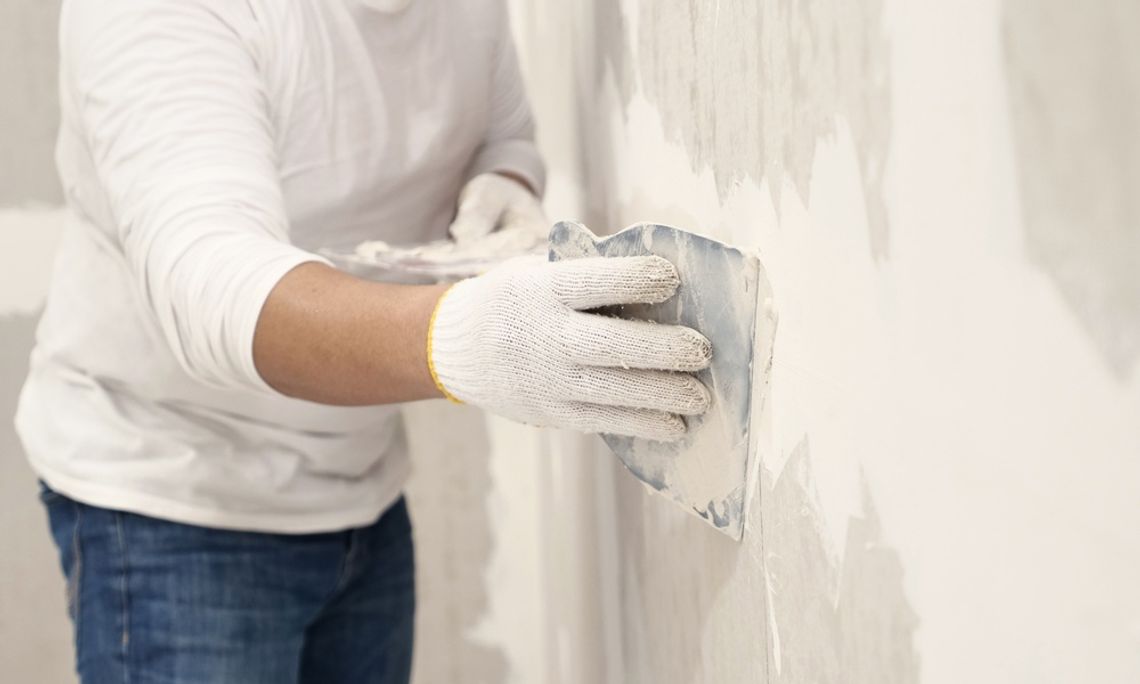
Quick fixes sometimes create bigger problems than the original damage. Using the wrong materials, skipping preparation, or applying excessive joint compound often produces uneven results. Learning the mistakes to avoid during drywall patching improves repair quality and creates a smoother finish that blends with surrounding surfaces. Taking time to sand properly and apply thin coats usually delivers a stronger, longer-lasting repair.
Preventive Care Makes a Difference
Routine inspections help identify developing problems before they become expensive repairs. Addressing small cracks, sealing leaks, and controlling indoor humidity protect drywall from unnecessary deterioration. Gentle cleaning methods also preserve painted finishes without damaging the wall surface. Consistent maintenance keeps rooms looking fresh while reducing the need for extensive restoration.
Protect Walls Through Early Attention
Understanding common causes of drywall damage allows homeowners to respond quickly when warning signs appear. Timely repairs, thoughtful maintenance, and careful inspection help preserve attractive walls while preventing small issues from becoming larger restoration projects.
Comment
Comments