
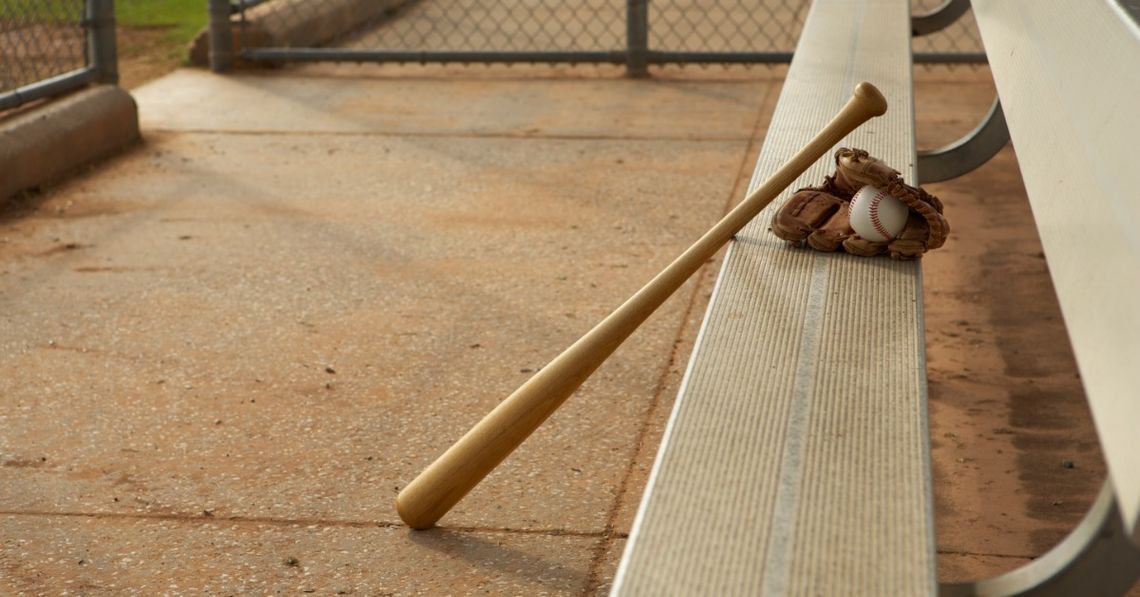
Baseball is a familiar part of life for many Mississippi families, whether players are taking the field for school teams, youth leagues, travel programs, or backyard games. Yet for all the time people spend around the sport, baseball bats still inspire plenty of questionable advice.
Some myths come from equipment that behaved differently decades ago. Others start when one player has success with a certain bat and assumes everyone else should use the same setup. Understanding the most common misconceptions about baseball bats that you should ignore can help players and parents make equipment decisions based on fit, comfort, league requirements, and performance rather than dugout folklore.
1. A Heavier Bat Is Always Better
It sounds simple: More weight should create more power. In practice, a heavier bat only helps when the player can control it through the entire swing.
A bat that is too heavy can slow the hands, alter mechanics, and make it more difficult to reach pitches. A player may also start compensating by dropping the barrel or changing the swing path.
The better choice is a bat that allows the hitter to generate speed while maintaining control. Strength matters, but so do timing and mechanics.
2. Heavier Bats Have Thicker Walls
One of the most common bat myths we can debunk is that heavier bats are thicker than lighter bats. Bat weight and barrel-wall thickness are not exactly a one-to-one connection. Manufacturers can alter the distribution of weight through components and balance rather than simply making a heavier bat with thicker walls.
That distinction matters when considering durability. A player should not assume that choosing the heavier version of a model automatically means buying a bat with substantially more material in the barrel.
3. Bigger Players Always Need Longer Bats
Another misconception about baseball bats that you should ignore is that the bigger the player, the bigger the bat. While height and strength can influence bat selection, body size alone does not determine the right length.
Two players who stand the same height may have very different swings. One may handle a longer bat comfortably, while another gains much better barrel control with something shorter.
Reach, stance, strength, swing mechanics, and comfort all deserve consideration. Players should evaluate how naturally they can move the bat rather than relying on a size chart as an absolute rule.
4. More Expensive Bats Automatically Produce Better Hitters
Premium bats can offer advanced materials, refined balance, or construction features that appeal to serious players. None of those features can replace sound mechanics.
A hitter who struggles with timing will not solve the problem simply by buying a more expensive model. Likewise, a well-trained player can make solid contact with equipment that does not sit at the top of the price range.
Families shopping for bats should separate equipment quality from player development. A bat can complement a swing, but it cannot create one.
5. Every Player Benefits from an End-Loaded Bat
An end-loaded bat places more of its perceived weight toward the barrel. Strong hitters may appreciate that feel because it can provide additional momentum when they square up the ball.
That does not make it the right design for everyone.
Some hitters prefer balanced bats because they feel easier to control and move through the hitting zone. Younger players and hitters who value quick hands may find a balanced design more comfortable.
Neither style is universally superior. The right balance depends on the hitter using it.
6. Composite Bats Are Always Better Than Alloy Bats
Composite and alloy bats have different characteristics, but treating one material as universally superior oversimplifies the decision. Composite bats can provide distinct balance and feel. Alloy bats can appeal to players who prefer a different response at contact or want straightforward performance without the same considerations that can accompany some composite models.
Players also must account for the rules of their particular league or organization before buying any bat. Certification requirements can determine which models are eligible for competition, regardless of material.
7. A New Bat Will Feel Perfect Immediately
Players sometimes expect a new bat to feel natural from the first swing. That expectation ignores how much familiarity influences hitting.
Even when a bat requires no special break-in process, a different length, weight, grip, or balance can change how it feels in the hands. A player may need batting-practice repetitions before becoming comfortable with the timing.
That adjustment does not automatically mean the bat is wrong. Give the hitter enough controlled swings to evaluate the equipment fairly.
8. The Lightest Bat Creates the Fastest Swing
Dropping weight can help some players increase bat speed, but lighter does not automatically mean faster in a useful sense. A hitter still needs control, timing, and enough mass to feel the barrel throughout the swing. Going too light can change mechanics or create a bat feel that does not suit the player.
Instead of chasing the lowest possible weight, players should look for a manageable combination of speed and control. The best measurement is how well the hitter handles the bat against realistic pitching.
9. One Bat Can Handle Every Type of Baseball
Different leagues and levels of competition can operate under different equipment standards. A bat that works for one team or tournament may not meet the requirements for another.
That makes the rulebook just as important as the specification label.
Before purchasing a bat, families should confirm what the player's league permits. This becomes especially important for players who participate in school ball, recreational leagues, and travel baseball during the same year.
Checking before buying can prevent an unpleasant surprise at the field.
10. What Works for One, Works for All
Recommendations can provide a useful starting point, especially when they come from teammates, coaches, or experienced players. Still, no recommendation can substitute for personal fit.
Players differ in strength, swing path, hand speed, stance, and preference. A bat that feels perfectly balanced to one hitter might feel cumbersome to another. Whenever possible, players should take practice swings and compare several options. Pay attention to barrel control, comfort, and how naturally the bat moves through the zone.
Choose the Bat, and Ignore the Myths
Baseball equipment attracts strong opinions because players develop real attachments to what works for them. Personal experience has value, but it can turn into a rule that players and parents apply too broadly.
The smartest approach is to separate preference from fact. For Pelahatchie-area players and families, that means considering league requirements first, then evaluating length, weight, balance, material, and feel in the context of the individual hitter. A well-matched bat should help a hitter swing comfortably and confidently. It does not need to satisfy every piece of baseball wisdom passed along from one dugout to the next.
Comment
Comments