
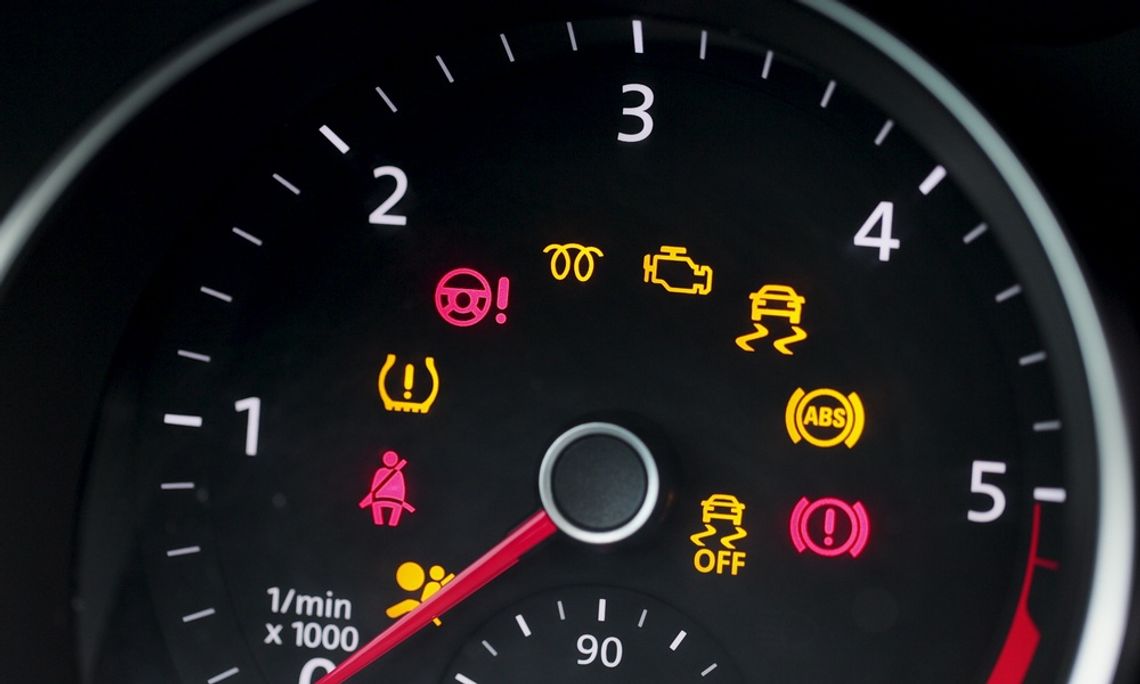
A light suddenly appearing on the dashboard can turn an ordinary drive through Pelahatchie into a stressful one. Some lights simply remind drivers about maintenance or vehicle settings, while others warn about problems that could affect safety or cause costly damage.
Understanding the common car dashboard warning lights and what they mean helps drivers decide what to do next instead of guessing. The color of a warning light, the symbol it displays, and the way the vehicle behaves can all provide useful clues. Drivers should still consult their vehicle owner's manual because manufacturers may use slightly different symbols or definitions.
Check Engine Light
The dreaded check engine light typically resembles the outline of an engine. Modern vehicles use onboard computers to monitor numerous systems, and the light appears when the computer detects a problem that requires attention.
A steady check engine light does not always mean a driver must stop immediately. Problems can range from a loose fuel cap to an emissions or engine-related issue. However, a flashing check engine light can indicate a more serious problem, such as an engine misfire that could damage the catalytic converter.
Oil Pressure Warning Light
The oil pressure warning symbol generally looks like an old-fashioned oil can. It indicates that the engine may not have enough oil pressure to lubricate its moving components properly.
Low oil pressure can cause severe engine damage in a short period. A driver who sees this light while traveling should move to a safe location and shut off the engine. After the engine cools, checking the oil level may reveal that the vehicle needs additional oil.
Battery or Charging System Light
The battery warning light usually displays a rectangular battery symbol with positive and negative signs. Despite its name, the warning does not necessarily mean a battery failure.
The light can indicate trouble within the vehicle's charging system. A failing alternator, damaged belt, loose electrical connection, or weak battery can trigger the warning. Because the vehicle relies on electrical power when the charging system stops working, it may continue running only for a short distance.
Engine Temperature Warning Light
An engine temperature warning light usually resembles a thermometer sitting above waves. It signals that the engine temperature is hotter than its normal operating range.
Overheating can result from low coolant, a leaking cooling system, a malfunctioning thermostat, a damaged water pump, or another mechanical problem. Continuing to drive an overheating vehicle can cause major engine damage. Drivers should pull over safely, shut off the engine, and allow it to cool.
Tire Pressure Warning Light
Another common car dashboard warning light is the tire pressure monitoring system (TPMS), but what does it mean? The TPMS light resembles a horseshoe-shaped tire with an exclamation point in the center. It usually appears when the system detects significantly low pressure in one or more tires.
Changes in outdoor temperature can affect tire pressure, which makes this warning especially useful during seasonal weather shifts in Mississippi. Drivers should check all tires with a reliable pressure gauge and inflate them according to the pressure listed on the driver's door placard or in the owner's manual.
Do Not Rely on the Light Alone
A tire pressure monitoring system provides an important warning, but one of the most common tire maintenance mistakes to avoid is treating it as a substitute for regular tire checks.
A tire can lose air gradually, and uneven pressure can affect handling, tread wear, and fuel efficiency before the difference becomes obvious from behind the wheel. Routine inspections can also reveal cracks, embedded objects, unusual tread wear, and other concerns that an electronic pressure sensor cannot identify.
Brake Warning Light
A brake warning symbol may display the word "BRAKE," an exclamation point inside a circle, or another manufacturer-specific design. The light may appear simply because the parking brake remains engaged, so drivers should check that first.
If you disengage the parking brake, but the warning remains illuminated, the vehicle may have low brake fluid or another problem within the braking system. Changes in braking performance, such as a soft pedal, reduced stopping ability, or unusual noises, require immediate attention.
Anti-Lock Braking System Light
The anti-lock braking system warning light typically displays the letters "ABS." The system helps drivers maintain steering control during hard braking by preventing the wheels from locking.
When the ABS light stays on, conventional braking may still function, but the anti-lock feature may not work correctly. That distinction becomes especially important on wet pavement, loose surfaces, or during emergency stops. A technician can scan the braking system for diagnostic codes and determine whether a sensor, wiring problem, control module, or another component caused the warning.
Airbag Warning Light
The airbag warning light commonly shows a seated passenger with a circle representing an airbag. The vehicle may illuminate this light when it detects a problem with the supplemental restraint system.
Because airbags and seatbelt pretensioners form part of the vehicle's crash protection system, drivers should not ignore the warning. A problem with a sensor, electrical connection, or another restraint-system component could prevent the system from operating correctly during a collision.
Traction Control and Stability Control Light
Traction control and electronic stability control indicators commonly show a vehicle with wavy lines beneath it. The light may flash briefly when the system activates, particularly on a slippery road.
A light that remains on can indicate that the driver switched the system off or that the system detected a malfunction. Since these systems can help maintain control when tires lose traction, drivers should consult the owner's manual and arrange for an inspection if the light remains on unexpectedly.
Low Fuel Light
The low fuel light, usually shaped like a fuel pump, ranks among the simplest dashboard alerts. It signals that the amount of fuel remaining is below a predetermined level.
Drivers should refuel rather than relying on the remaining reserve. Running out of fuel can strand a vehicle in an unsafe location, and consistently driving with very little fuel can place unnecessary strain on some fuel-system components.
When a Warning Light Means You Should Stop Driving
Color provides a useful starting point when judging urgency. Red warnings generally indicate conditions that deserve immediate attention, while yellow or amber lights typically signal a problem that needs investigation. However, color alone should never determine whether a vehicle remains safe to drive.
Drivers should pay attention to the vehicle itself. Smoke, unusual smells, loss of power, rising engine temperature, steering changes, abnormal braking, or loud mechanical noises can make a situation urgent even when a warning light seems minor.
Know What Your Dashboard Is Telling You
Vehicles use warning lights to give drivers information before some problems become more serious. Learning the meaning of common symbols makes it easier to respond calmly and appropriately when one appears during a commute, school run, shopping trip, or drive outside Pelahatchie.
Drivers do not need to diagnose every mechanical problem themselves. They do benefit from recognizing dashboard warning lights, checking the owner's manual, monitoring changes in vehicle behavior, and seeking qualified service when a warning persists. A few minutes of attention can make the difference between routine maintenance and a much larger repair.
Comment
Comments