
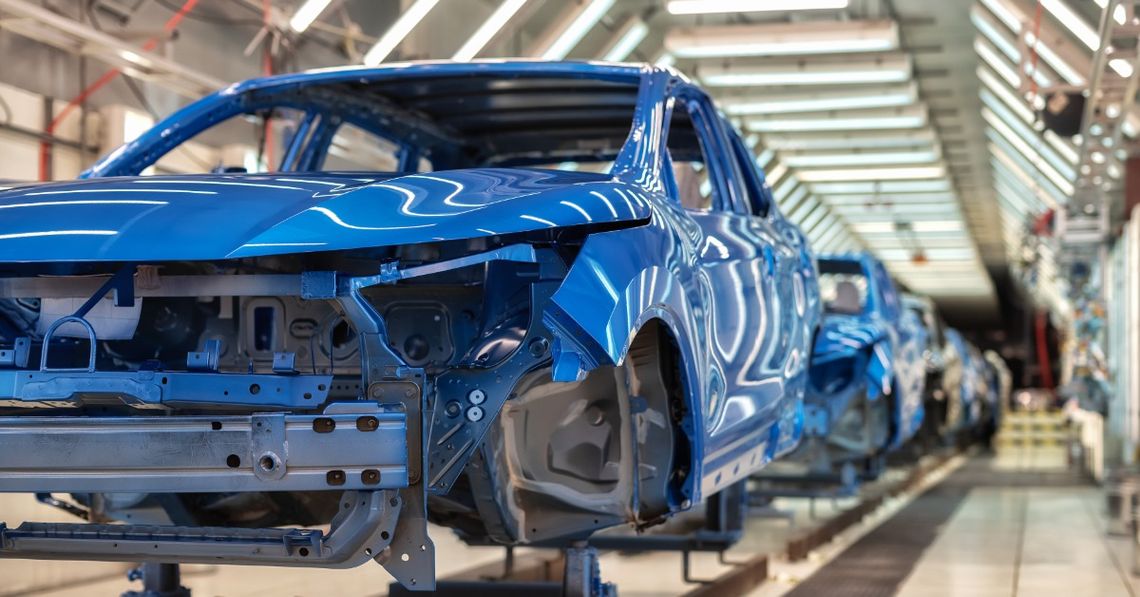
Modern vehicles depend on components that must fit, move, and perform with remarkable consistency. Manufacturers need production methods that can create intricate parts while maintaining tight tolerances across repeated runs. Understanding how the automotive industry uses CNC machining reveals why computer-controlled manufacturing has become so valuable for producing dependable vehicle components, developing new designs, and supporting efficient production.
Precision Manufacturing for Engine Components
Engines contain parts that operate under intense heat, pressure, and continuous movement. Even small dimensional inconsistencies can affect performance or shorten the life of surrounding components. CNC machining gives manufacturers precise control over cutting operations, allowing them to produce complex engine parts according to detailed digital specifications.
Manufacturers commonly use CNC equipment to shape engine blocks, cylinder heads, pistons, and related components. Computer programming guides the cutting tool through carefully defined paths, which helps maintain consistent dimensions from one part to the next. This repeatability matters when components must work together with minimal clearance.
CNC machining also allows manufacturers to work with durable metals commonly found in engine assemblies. Machines can remove material efficiently while creating holes, channels, contours, and mounting surfaces. The resulting accuracy supports proper sealing and dependable movement inside an engine. Manufacturers can also adjust machining programs when an engine design changes without completely rebuilding a production process.
Creating Transmission and Drivetrain Parts
Transmission and drivetrain systems transfer power through components that must interact smoothly. Gears, shafts, housings, and other parts require accurate dimensions so that they align correctly during operation. CNC machining helps automotive manufacturers create these components with the precision necessary for reliable power delivery.
Manufacturers may use several CNC processes depending on a component's geometry. Milling can shape flat or complex surfaces, while turning works well for cylindrical parts such as shafts. Computer control lets production teams repeat these operations with predictable results. That consistency makes CNC technology valuable for both conventional vehicles and newer powertrain designs.
Supporting Rapid Automotive Prototyping
Before a new component reaches production, engineers need physical prototypes that allow them to evaluate fit and function. CNC machining can turn a digital design into a usable prototype without requiring specialized molds or other expensive production tooling. This flexibility can shorten the path between an initial design and hands-on testing.
Engineers can machine a prototype from materials that closely resemble those intended for the final component. They can then install the part, examine its dimensions, and determine how it performs within a larger assembly. When testing reveals a problem, designers can revise the digital model and machine another version.
This iterative process supports faster refinement because teams can respond directly to testing results. Automotive manufacturing is an industry that greatly benefits from CNC machining because vehicle development often involves repeated design changes before production begins. CNC equipment gives engineers a practical way to evaluate those changes before committing to higher-volume manufacturing methods.
Producing Custom and Low-Volume Components
Not every automotive part requires massive production quantities. Specialty vehicles, restoration projects, motorsports applications, and limited-production models may need relatively small batches of highly specific components. CNC machining works well in these situations because manufacturers can produce parts directly from digital programs without relying on dedicated tooling for every design.
A machine shop can create a component, verify its dimensions, and repeat the programmed process when manufacturers need additional pieces. This approach gives manufacturers more flexibility when demand does not justify a large production setup. It can also help businesses reproduce discontinued parts when original tooling is unavailable.
Machining Interior and Exterior Vehicle Parts
CNC machining also contributes to vehicle components beyond the engine bay. Manufacturers can use it to create structural pieces, trim components, lighting housings, dashboard elements, and other parts that require accurate shapes. The process can support both functional requirements and the visual quality expected from finished vehicles.
Complex curves and detailed surface features can be difficult to produce consistently through manual machining. CNC systems follow programmed coordinates, giving manufacturers better control over geometry. This capability is particularly useful when a visible component must align neatly with neighboring panels or fixtures.
Manufacturers can also machine molds, dies, and tooling used to produce other automotive parts. In this role, CNC equipment supports processes such as forming or molding without necessarily creating the final vehicle component itself. Accurate tooling helps downstream production maintain the intended shape and dimensions across repeated cycles, extending the value of CNC technology throughout automotive manufacturing.
Advancing Electric Vehicle Manufacturing
Electric vehicles introduce different component requirements while still demanding precise manufacturing. Battery enclosures, motor housings, cooling components, and structural parts often feature complex designs that must meet strict dimensional requirements. CNC machining gives manufacturers a flexible way to produce and refine these components as electric vehicle platforms continue to evolve.
Lightweight materials also play an important role in electric vehicle design because reducing vehicle mass can support efficiency. CNC machines can shape aluminum and other machinable materials into detailed components while removing only the material required by the design. Engineers can create thin walls, mounting points, channels, and other features within a single carefully planned machining workflow.
The flexibility of digital programming also helps manufacturers respond to changing electric vehicle designs. As engineers improve battery layouts or motor assemblies, production teams can update machining instructions to accommodate revised parts. This responsiveness can support ongoing innovation without requiring an entirely new manufacturing approach for every design adjustment.
Improving Consistency Through Automation
CNC machining combines precision with automation, which makes it useful for automotive production environments that demand repeatable results. Once operators establish and verify a program, the machine can follow the same instructions for each compatible workpiece. This controlled process reduces the variability associated with performing complex machining operations manually.
Modern CNC systems can also integrate with broader manufacturing workflows. Digital design files can guide programming, while measurement and inspection processes can verify finished dimensions. Manufacturers can use this information to identify production issues and make appropriate adjustments. The combination of computerized control and skilled oversight helps automotive companies maintain dependable output while managing complicated component designs.
Driving Modern Automotive Production Forward
CNC technology supports automotive manufacturing at nearly every stage, from early development to repeatable production. Its ability to create precise components from digital designs makes it valuable for traditional powertrains, electric vehicles, specialized parts, and production tooling. By understanding how the automotive industry uses CNC machining, manufacturers and vehicle enthusiasts can appreciate the sophisticated production methods behind modern automobiles and the components that keep them operating reliably. That versatility ensures CNC machining will remain important as vehicle designs and manufacturing priorities continue changing.
Comment
Comments