
 Karen Kleinman
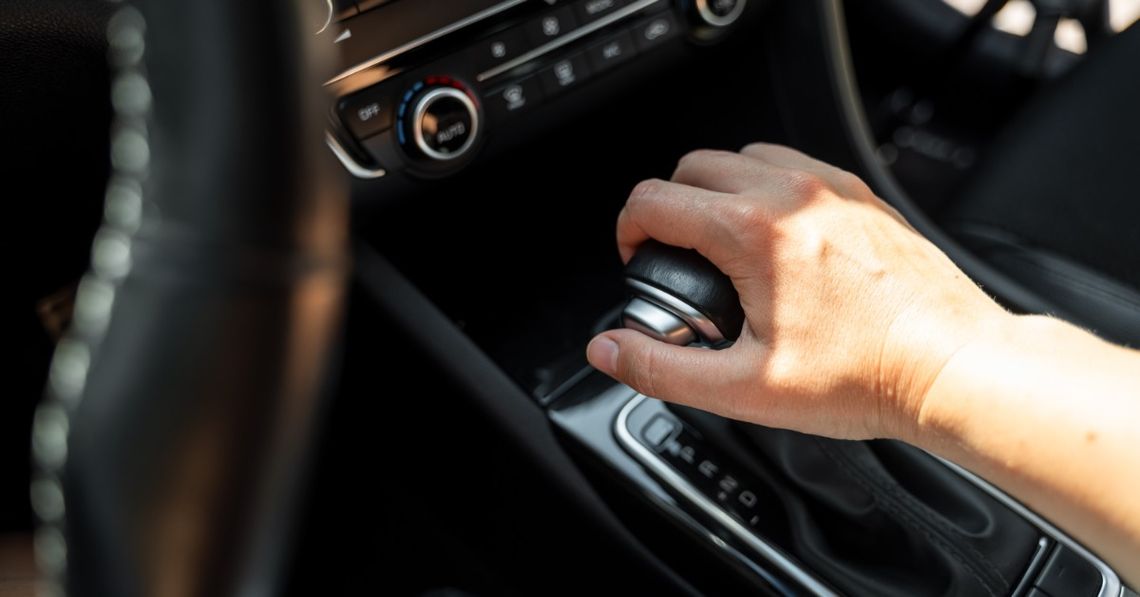
Ever wondered how gear shifting in a car actually works? All you have to do to change gears is move a lever or let your automatic transmission handle the job, but behind that simple action are complex mechanisms that control how engine power reaches the wheels. Your car has to disconnect power at the right moment, select a different gear ratio, then reconnect everything without interrupting your drive for long. Here’s a simple breakdown of what happens after you or your car decides it’s time for another gear.
The Engine Creates the Power Your Car Needs
Your engine is the source of the power that eventually turns the wheels. Inside the engine, combustion pushes the pistons, and that movement rotates a long metal part called the crankshaft.
That rotation can't go straight to the wheels at the same rate all the time. Your car needs more turning force when pulling away from a stop than it needs while cruising at highway speed. The transmission changes the gear ratio between the engine and wheels so your car can get more torque at low speeds without forcing the engine to spin excessively at higher speeds.
The Clutch Separates the Engine From the Transmission
Because the clutch sits between the engine and transmission in a manual car, it's useful to understand its basic anatomy. Simply, a clutch lets engine rotation pass into the transmission when its surfaces are pressed together.
When you push the clutch pedal, you temporarily separate that connection. Engine power stops flowing into the transmission, giving its internal parts time to change gears without fighting against the force coming from the engine.
The Shift Lever Tells the Transmission Which Gear You Want
The shift lever is the part you move with your hand in a manual car, but it doesn't directly move large gears around inside the transmission. Instead, it controls a linkage that carries your movement into the transmission housing.
When you move the lever from second gear to third, you're telling the transmission which gear ratio should carry engine power next. The lever controls the internal parts that perform the actual selection.
The Synchronizer Prepares the New Gear to Engage
A synchronizer prepares the gear you've selected before it locks into place. It becomes necessary because the gear and the shaft it needs to join aren't always rotating at the same speed.
If those parts connected while spinning at different rates, their teeth would clash. The synchronizer uses friction to bring their rotational speeds closer together first. The transmission can then engage the selected gear without the grinding you'd get from forcing mismatched rotating parts together.
The Selected Gear Connects to the Transmission Shaft
The transmission contains several gears that provide different gear ratios. In many manual transmissions, those gears already mesh with one another while you drive.
Instead of pushing two separate gears together, the transmission locks the gear you've chosen to a rotating shaft. That connection allows the selected gear to carry engine torque. Changing gears changes which ratio controls the relationship between engine rotation and transmission output.
The Clutch Reconnects the Engine After the Shift
After the transmission engages the new gear, it needs engine power again. Releasing the clutch pedal brings the clutch surfaces back together so rotation from the engine can pass through the transmission.
If the engine and transmission are rotating at slightly different speeds, gradual contact gives them time to come together without a sudden jolt. Releasing the pedal too abruptly forces the drivetrain to absorb the mismatch at once, producing the jerking movement associated with a rough shift.
The Gear Ratio Changes How the Engine's Power Gets Used
A gear ratio describes the relationship between how quickly the transmission's input and output sides rotate. Different ratios let the same engine provide different amounts of wheel speed and turning force.
Lower gears multiply torque, so they're useful when your car needs enough force to start moving. Higher gears reduce how much the engine has to rotate for a given road speed. That's why engine rpm rises as you accelerate in one gear, then drops when you shift into the next higher gear.
The Transmission Sends Its Output into the Drivetrain
After the selected gear changes the engine's rotation, that power needs a route from the transmission to the driven wheels. The components that carry power along this route make up the drivetrain.
In a rear-wheel-drive car, the transmission sends rotation into a driveshaft that runs toward the rear. Front-wheel-drive cars arrange the components differently because the engine and driven wheels sit much closer together.
The Differential Splits Rotation Between the Driven Wheels
The differential is a set of gears located near the driven wheels. Its job is to take the rotation coming through the drivetrain and send it toward the left and right wheels.
During a turn, the outside wheel travels farther than the inside wheel, so the two can't rotate at exactly the same speed. The differential allows each wheel to rotate at the rate it needs while both continue receiving power from the drivetrain.
An Automatic Transmission Chooses the Gear for You
An automatic transmission performs the same basic job as a manual transmission: it changes gear ratios so the engine can operate effectively at different vehicle speeds. You just don't select each gear yourself or operate a clutch pedal.
Many automatic transmissions use planetary gearsets, which contain several gears arranged together inside one assembly. By controlling which parts rotate, the transmission can produce different gear ratios without you moving a traditional shift lever through individual gears.
Hydraulic Pressure Makes the Automatic Shift Happen
Many automatic transmissions use pressurized transmission fluid to operate internal clutch packs. These clutch packs sit inside the transmission and connect different parts of its gear system.
Electronic controls determine when the transmission needs another ratio. Valves direct fluid pressure toward the appropriate clutch pack so it engages while another connection releases. That change alters which parts of the gearset carry power, producing the next ratio without input from your hand or left foot.
The New Gear Ratio Changes What Reaches the Wheels
After the shift is complete, engine power continues through the drivetrain using the newly selected ratio. The wheels now receive a different combination of rotational speed and torque than they did in the previous gear.
After an upshift, engine rpm drops because the higher gear lets the car maintain or increase road speed with fewer engine revolutions. During a downshift, rpm rises because the lower gear creates a different relationship between engine speed and wheel speed.
What’s Happening Every Time Your Car Changes Gear
A gear change may take only a moment from the driver’s seat, but how gear shifting in a car actually works comes down to a sequence of connected mechanical changes. The transmission selects a ratio that matches what the car needs at that point in the drive, then sends the adjusted rotation through the rest of the drivetrain.
That’s what lets your car pull away with more torque at low speed and settle into a higher gear as road speed increases.
Comment
Comments